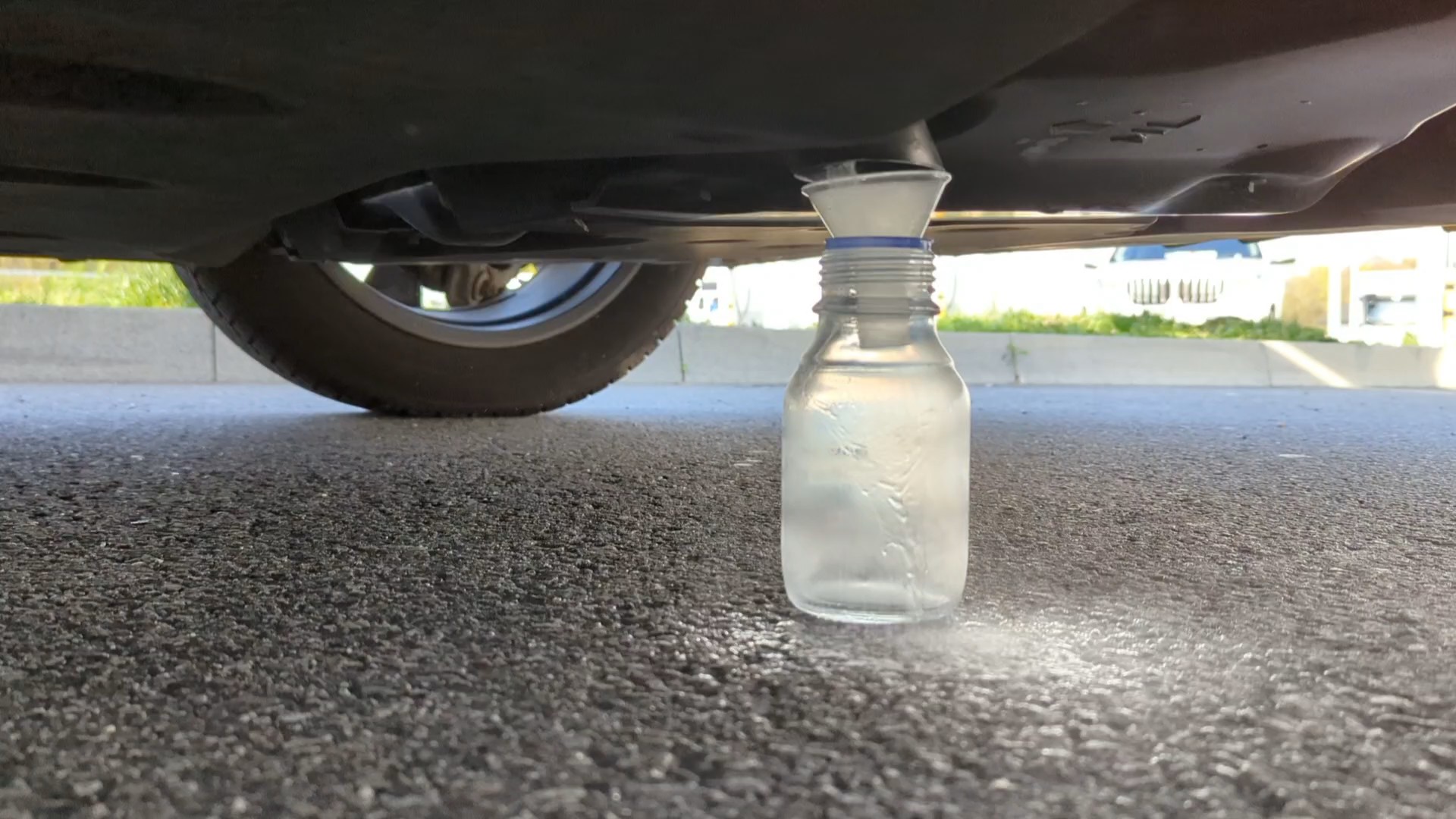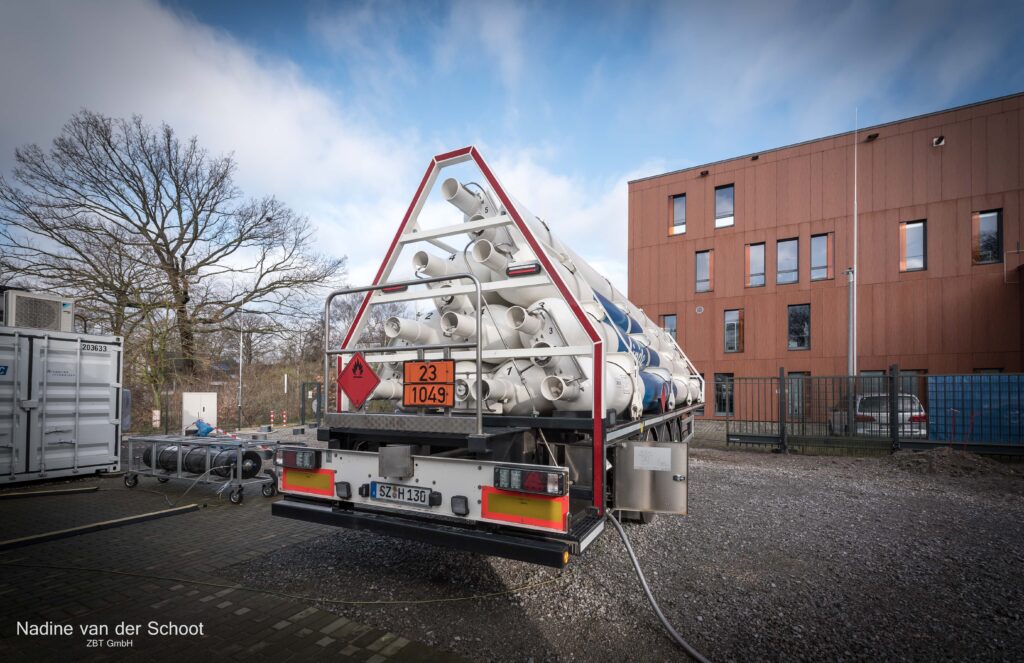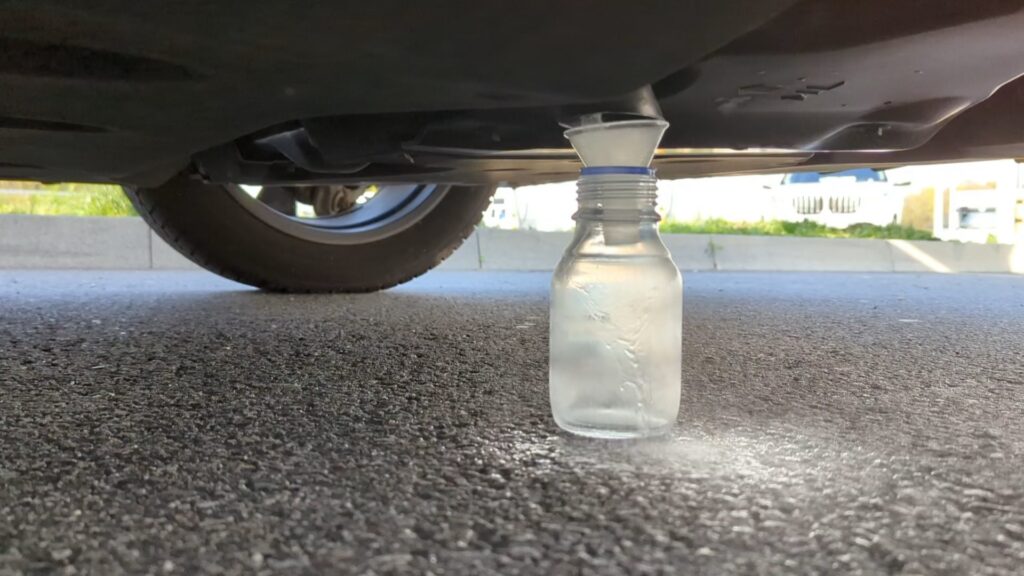
Bottle for taking samples from underneath a car

PARZELL – Qualitative and Quantitative PFAS Analysis in Electrolysis and Fuel Cell Operations

In addition to technological opportunities, the development of a climate-neutral hydrogen economy also raises new environmental concerns. That is why the PAZELL project is conducting a detailed investigation into PFAS emissions from PEM electrolysis and PEM fuel cell systems.

Per- and polyfluoroalkyl substances (PFAS) have exceptional material properties that are valued in many applications. However, due to their high persistence, potential for environmental accumulation, and health risks, they are increasingly becoming the focus of regulatory discussions.

Materials containing PFAS, particularly ion-conducting ionomers and membranes, have been key components of various hydrogen technologies, such as certain types of electrolysis and fuel cells. To date, little is known about the extent to which PFAS compounds are released from hydrogen systems into the environment. The newly launched PARZELL project aims to close this knowledge gap.

Realistic Study of PFAS Emissions

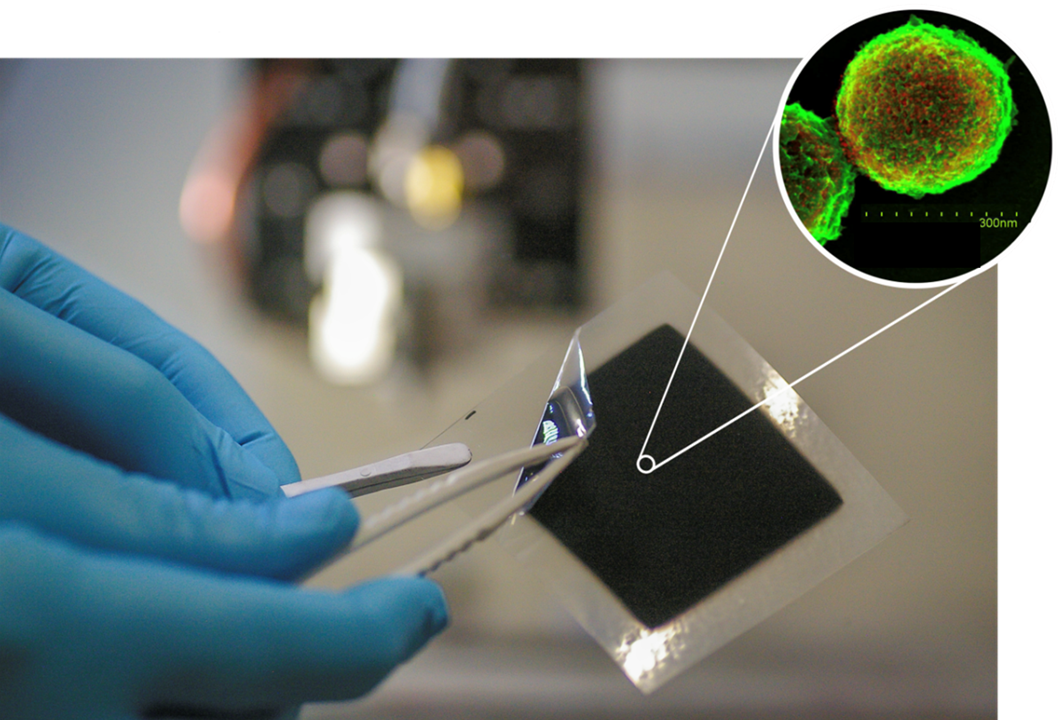
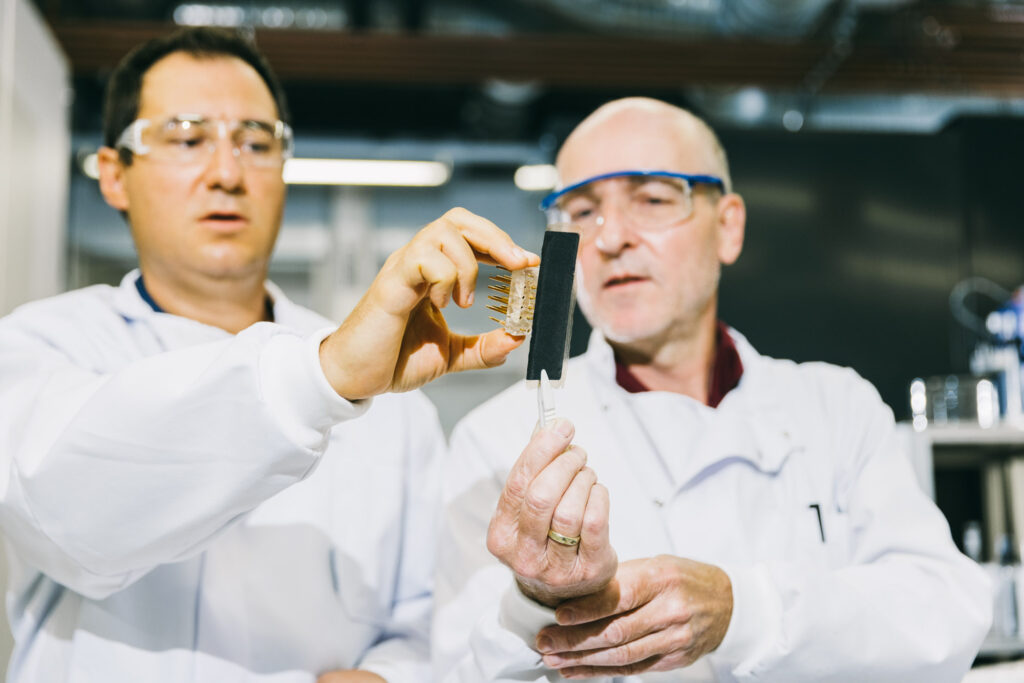
In the PARZELL research project, we are investigating the release of PFAS from membrane-electrode assemblies (MEAs) in proton exchange membrane electrolysers (PEMEs) and proton exchange membrane fuel cells (PEMFCs). The goal is to systematically measure, evaluate, and ultimately reduce PFAS emissions under realistic operating conditions. To this end, we are working with our project partners to develop robust methods for sampling and conducting PFAS emission analysis on a laboratory scale. We use these methods to test both commercial and in-house-manufactured MEAs.

To ensure that the results are highly meaningful, we focus our investigations on dynamic load profiles under realistic conditions. For PEMWE, these are based on the fluctuating availability of electricity from wind and photovoltaic systems; for PEMFC, they are based on driving profiles derived from the Vehicle Energy Consumption Calculation Tool (VECTO).

The study examines both the gas and liquid phases to comprehensively identify emission pathways and potential accumulation effects. To this end, the project combines specially adapted sampling methods with customised analytical techniques.

From sampling to emission reduction

The sampling setup will first be developed for a PEMWE cell and then adapted for use on a PEMFC test bench.

The project participants are developing mathematical correlations between the operating conditions of PEM electrolysers and the type and quantity of detected PFAS. The goal is to better predict potential PFAS fragments during operation in the future.

The results provide a scientifically sound basis for environmental assessments, low-emission products, and the long-term minimisation of PFAS emissions.

Building on this, PARZELL is evaluating initial approaches to reduce or eliminate detected PFAS emissions, such as through electrochemical decomposition or adsorption processes. This work is being conducted as part of the “Utilisation and Application Options” (vAW) program (technical utilisation of research results) and lays the groundwork for new technical solutions to reduce emissions in hydrogen technologies.

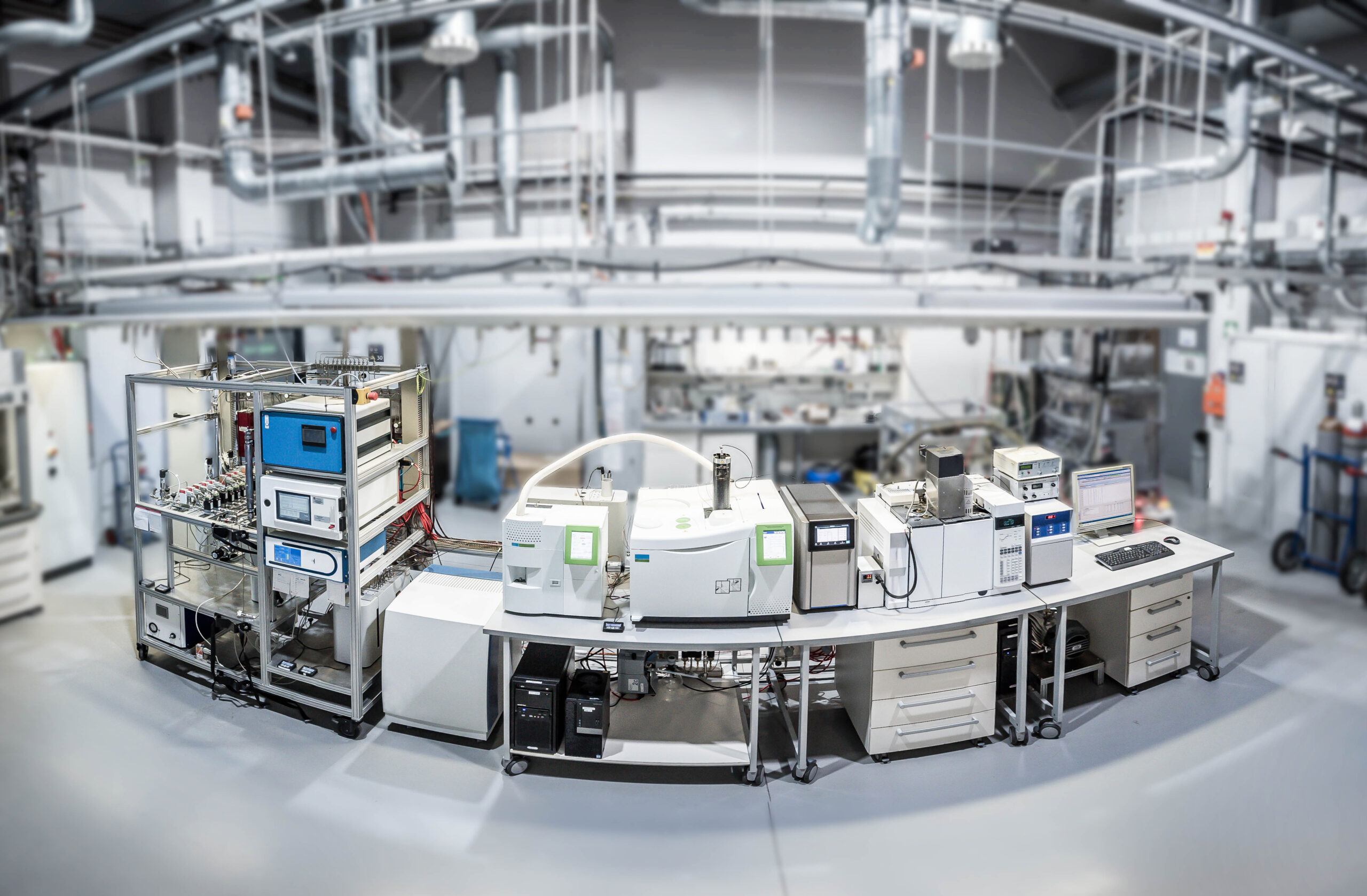
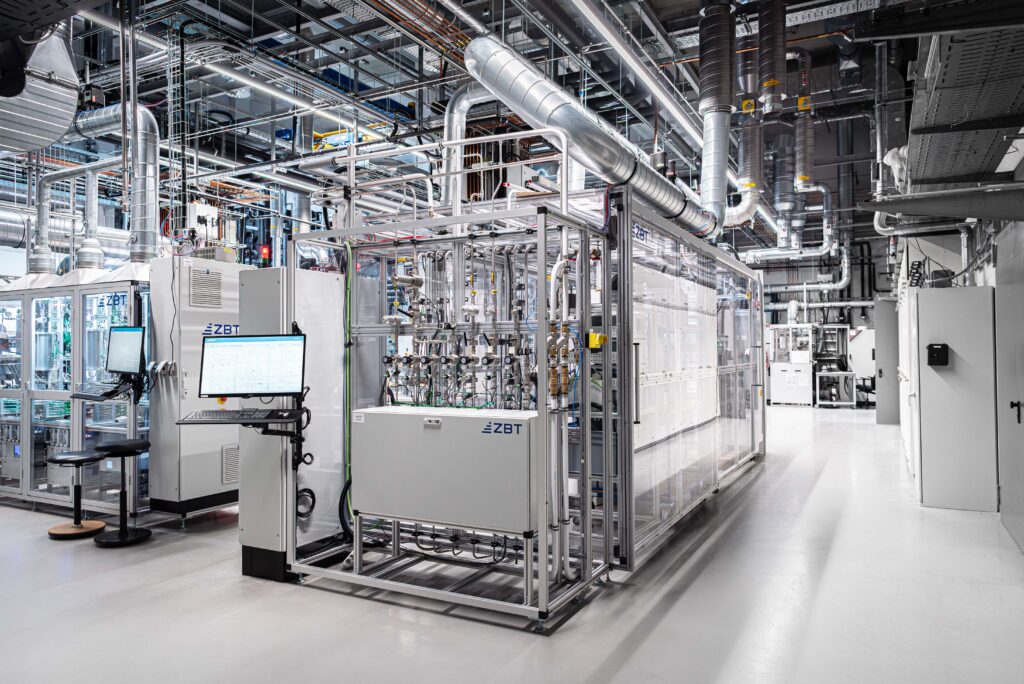
A view inside the Hy-Lab hydrogen quality laboratory at the ZBT, with numerous analytical instruments on the tables

Practical research with companies

As an IGF (Industrial Collaborative Research) project, PARZELL involves small and medium-sized enterprises (SMEs) from the fields of MEA production, coating, analytics, and PFAS removal, thereby linking research and application to achieve maximum impact. The project thereby supports the sustainable development of the hydrogen economy and helps address regulatory requirements at an early stage.

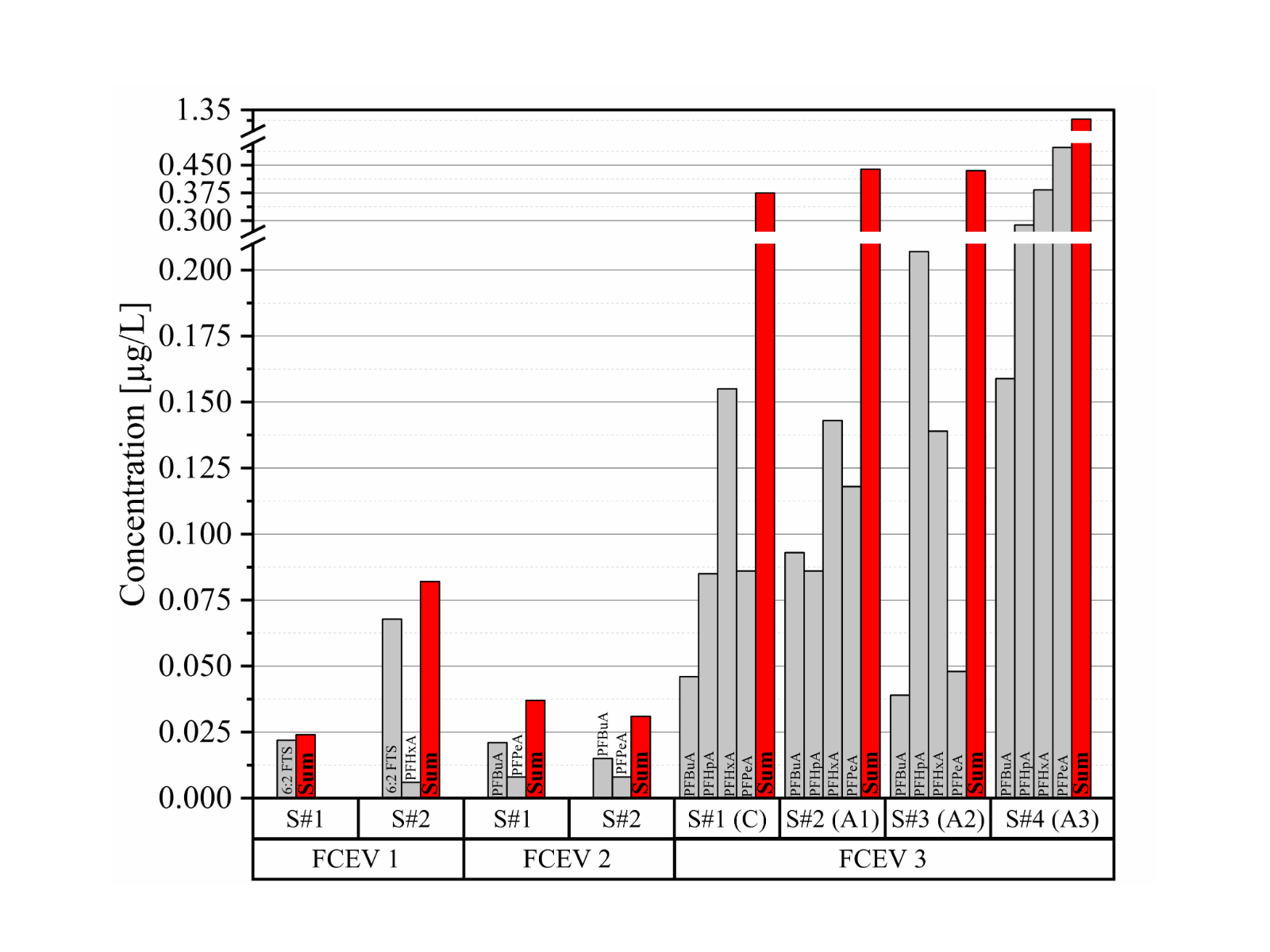
The figure shows the detection of PFAS in the product water of three fuel cell vehicles (FCEV 1-3): The measured concentrations of various PFAS are shown; the red bars show the respective total amount of all PFAS detected. For a better overview, only values above 0.005 µg/L are shown. S stands for sample, C for cathode and A for anode. According to Lange et al., 2025.

Note: The PFAS concentrations measured in the product water samples from all vehicles were within the non-critical range according to current German PFAS guidelines. However, the results underscore the need for further research and effective strategies to reduce PFAS emissions from PEM fuel cells in the future.

Project information

Project title:

Qualitative and Quantitative PFAS Analysis under Realistic PEM Electrolysis and Fuel Cell Operating Conditions: Environmental Relevance and Derivation of Mitigation Measures (PARZELL)

Project partners:

  • ZBT – The Hydrogen and Fuel Cell Center
  • IWW Institute for Water Research
  • Institut für Umwelt & Energie, Technik & Analytik e.V. (IUTA)

All three institutes are members of the Johannes Rau Research Association.

Project Duration: 1 December 2025 – 31 May 2028

Project volume: € 748,623.88

Funding: IGF (Grant Number: 01LF24640N), funded by the Federal Ministry of Economics

Contact

Project manager

Dr. Thomas Lange
+49 203 7598-3121

Media

Other exciting projects
All our projects

Discover more