SCoPE – Efficient Welding of Compound Bipolar Plates for PEM Fuel Cells

As part of the IGF SCoPE project, ZBT and SKZ are developing an innovative joining process for bipolar plates made of highly filled polymer compounds. The goal is to reliably weld embossed bipolar half-plates and thereby produce corrosion-resistant, cost-effective, and durable components for low-temperature PEM fuel cells.
New Joining Methods for Key Fuel Cell Components

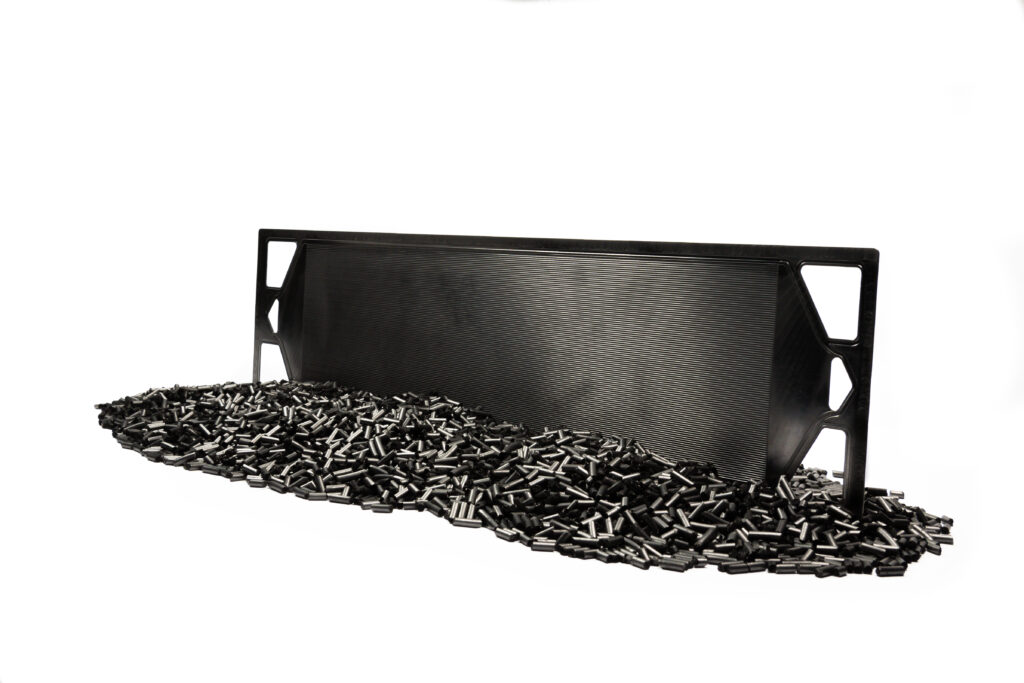
Bipolar plates are key components in fuel cells. They influence the cost, weight, power density, and long-term stability of the entire system. The SCoPE project focuses on bipolar plates made of composite films, which can offer advantages over metallic solutions in terms of corrosion resistance and cost-effectiveness.

To this end, the project partners are developing a process that allows extruded and embossed bipolar half-plates made of highly filled polymer compounds to be welded together into complete bipolar plates. Among other methods, thermal contact welding, thermal impulse welding, and ultrasonic welding are being investigated as the technological basis for this process.

From the Compound to the Validated Bipolar Plate

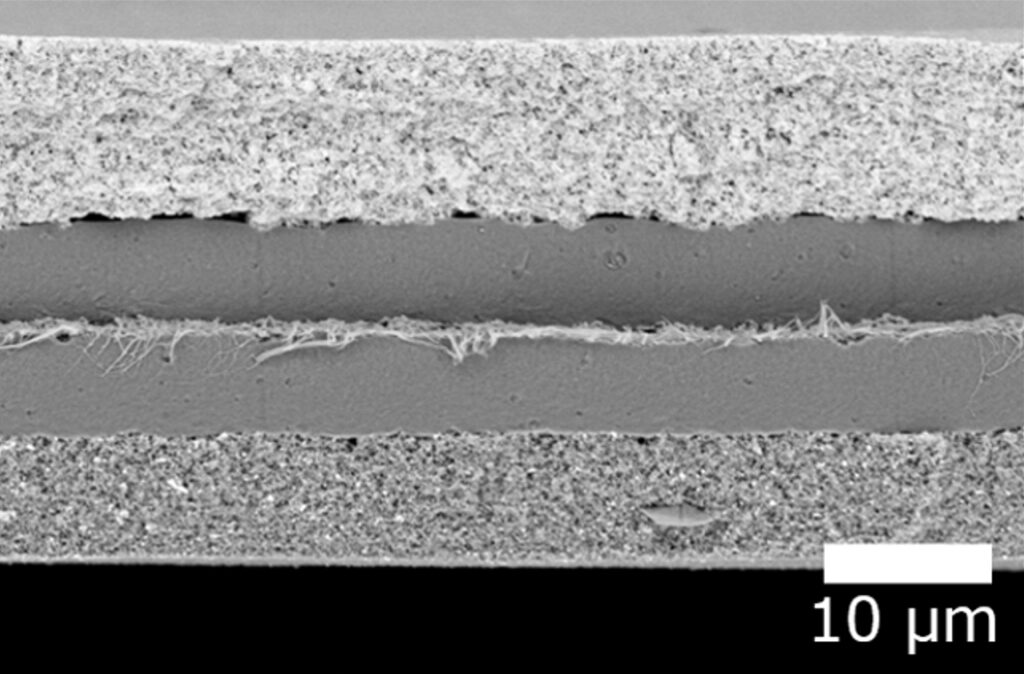
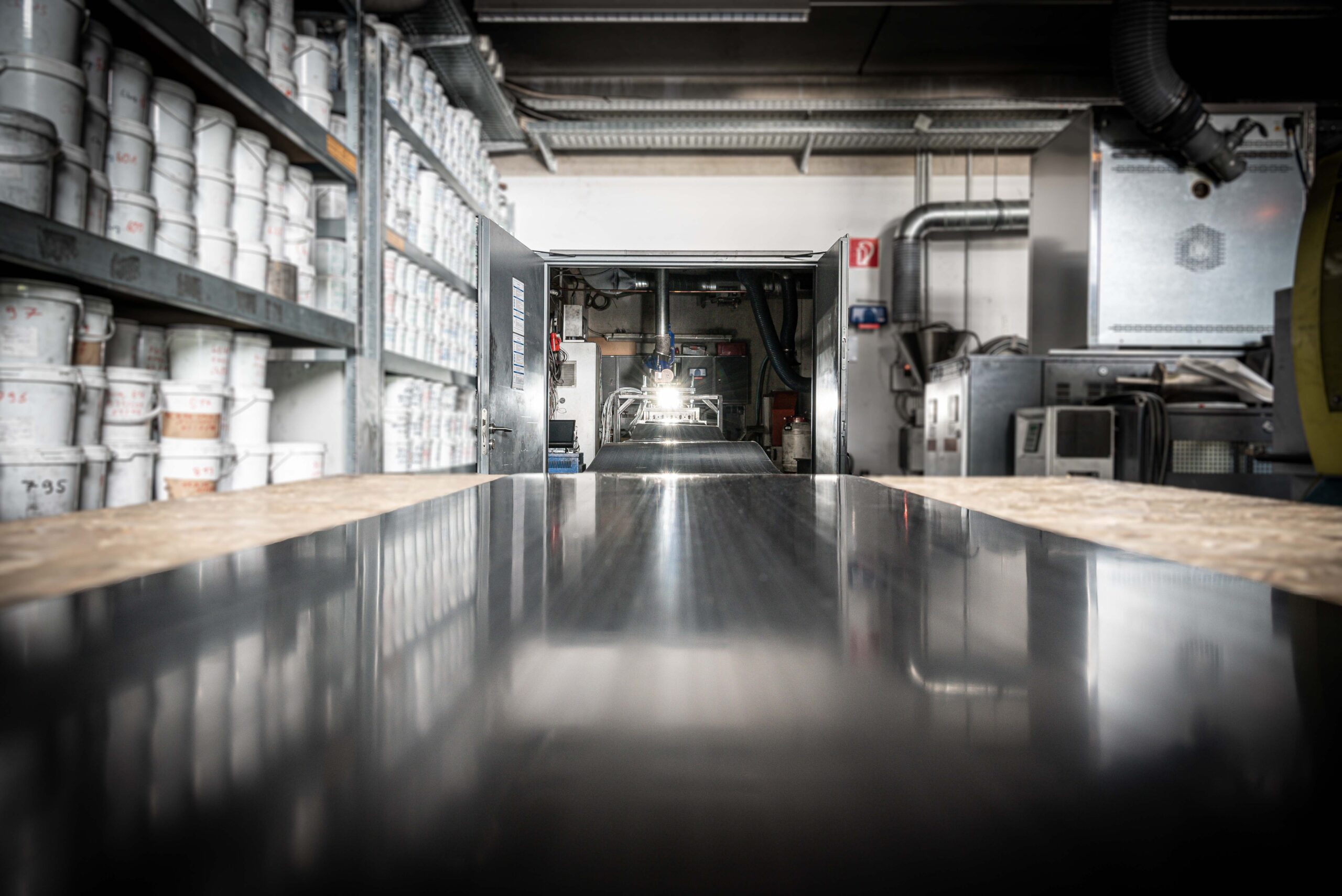
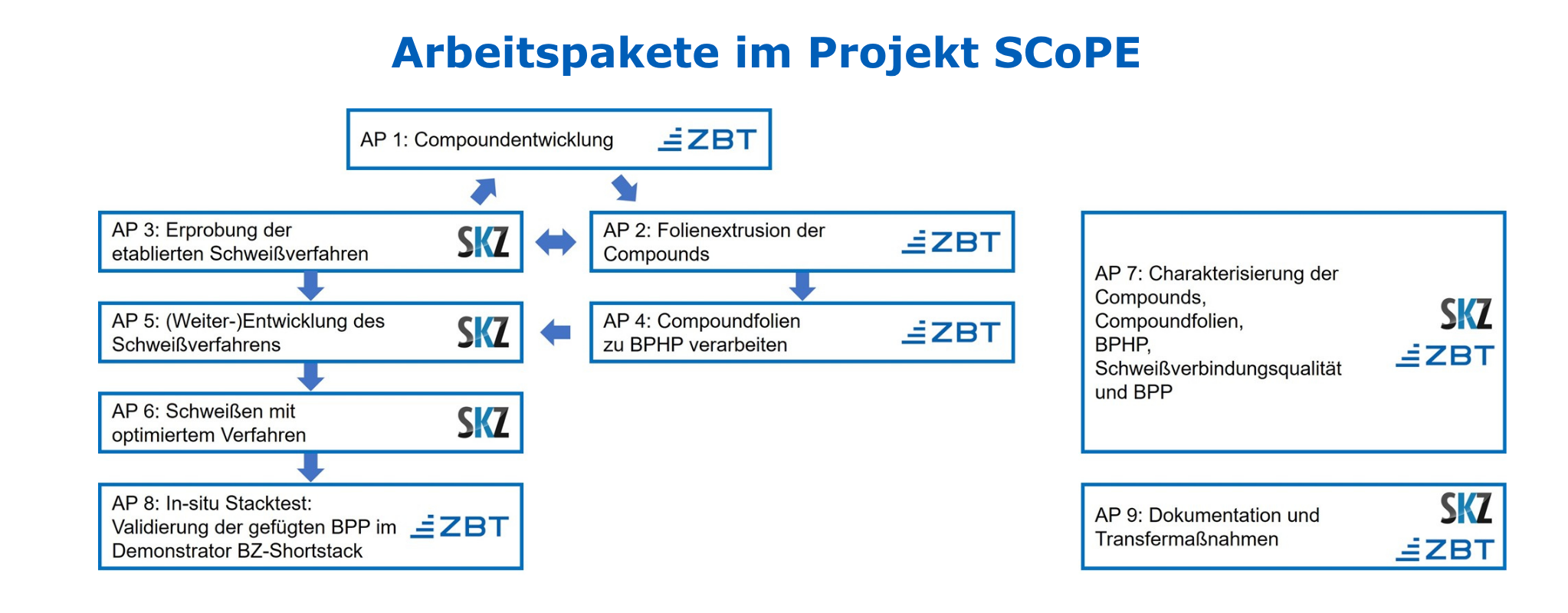
The ZBT develops the polymer compounds, extrudes films from them, and embosses them into bipolar half-plates. In addition, the institute handles key aspects of material and component characterisation – particularly for compounds, compound films, and embossed bipolar half-plates. Finally, an in-situ stack test is conducted to validate the welded bipolar plates under conditions that closely resemble real-world fuel cell applications. The processes and characterisation methods used in the project build on the ZBT’s research and development achievements.

The SKZ develops and optimises welding processes. First, established methods are examined; then, a suitable joining process is specifically refined. The bipolar plates welded in this manner are comprehensively characterised, particularly with regard to mechanical and chemical stability as well as electrical and thermal conductivity at the joints.

Learn more about our services

Relevance for the hydrogen economy, small and medium-sized enterprises, and a resilient energy supply

SCoPE addresses a challenge in the manufacture of compound-based bipolar plates that has not yet been sufficiently investigated. Improved joints can help make fuel cells more durable, more efficient, and more cost-effective. This makes the project particularly relevant for small and medium-sized enterprises that cover key parts of the fuel cell technology value chain.

The results are also important in terms of new markets: Fuel cell systems are once again gaining prominence, for example in stationary power and energy supply solutions, decentralised fast-charging infrastructure for electric mobility, data centers, and resilient power supply systems. SCoPE is thus contributing to the further development of robust PEM fuel cell components for future hydrogen applications.

Project information

Project: SCoPE – Welding of Extruded and Embossed Compound Films into Bipolar Plates for PEM Fuel Cells
Duration: 1 June 2026, to 31 May 2028
Grant ID: 01IF25110N
Funding program: Industrial Collaborative Research
Total project expenditures: €519,992.33
ZBT share: €248,632.25
Project partners: SKZ – The Plastics Center, ZBT – The Hydrogen and Fuel Cell Center

SMEs Wanted: Join the Project Oversight Committee

Are you a small or medium-sized enterprise looking to contribute your expertise to the project and benefit from the results early on? Then join us online via Microsoft Teams for the first meeting of the project steering committee on 29 September 2026, from 9:00 a.m. to 11:30 a.m. We are looking for SMEs that would like to actively contribute their practical experience, requirements, and perspectives to the project. Contact Elisabeth now (contact details below) to reserve your spot. All participants will receive the Teams link well in advance of the event.

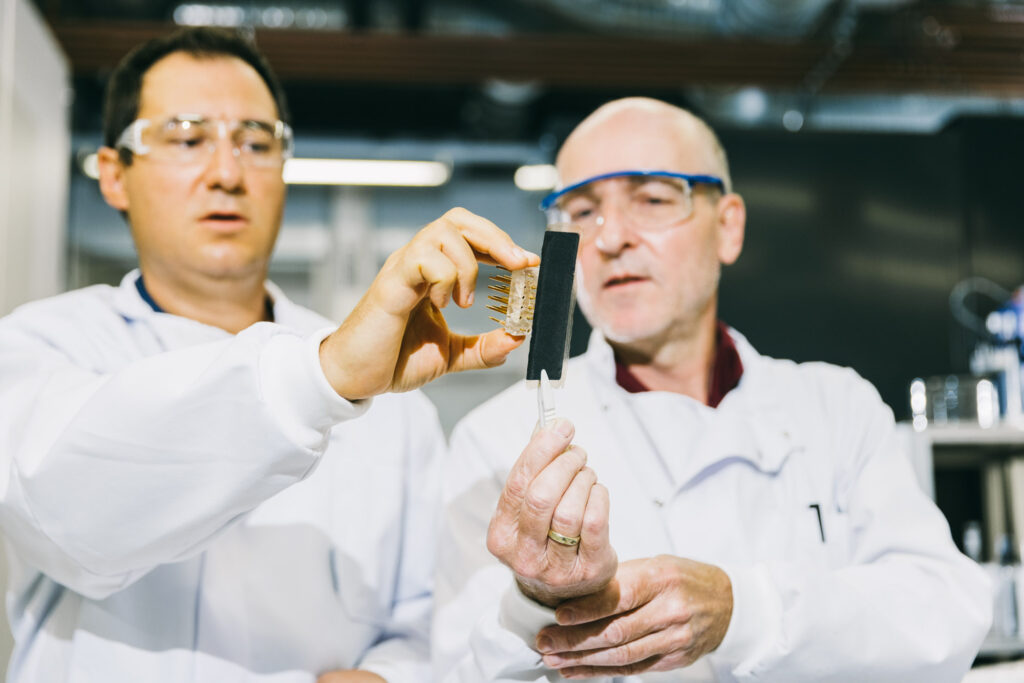
A group of scientists discussing publications on hydrogen, fuel cells and electrolysis

Questions about the project?

Elisabeth Verweyen
+49 203 7598-1172

Other current projects