HiHyPe – New AEM Technology for Electrochemical Hydrogen Compressors

Electrochemical hydrogen compressors offer many advantages, but they contain expensive precious metals and controversial chemical compounds. To improve sustainability and cost-effectiveness, we are developing an efficient, low-precious-metal-to-precious-metal-free AEM technology for compressors as part of the HiHyPe project.

Hydrogen compression is a key step in the hydrogen economy. Electrochemical hydrogen compressors offer advantages over mechanical systems: They produce high-purity hydrogen, reduce potential safety risks, and avoid drawbacks such as material wear and high maintenance costs. However, this technology relies on platinum-group metals and uses controversial PFAS (per- and polyfluorinated alkyl substances, also known as “forever chemicals”).
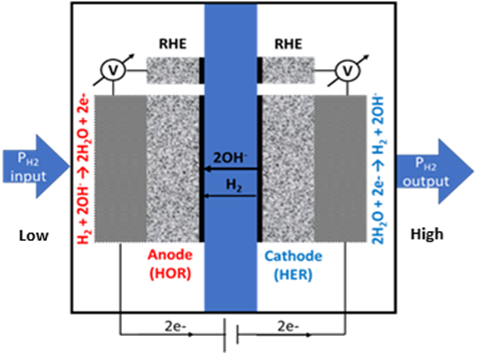
The HiHyPe project is focused on further developing AEM technology for electrochemical hydrogen compressors. (AEM = Anion Exchange Membrane) The goal is to significantly increase the efficiency and sustainability of hydrogen compression through the use of new materials, while at the same time reducing the use of critical raw materials and PFAS.

The focus is on innovative membranes, new catalysts, and porous carbon- and metal-based support substrates. Looking ahead, low-PFAS to PFAS-free polymers, as well as catalytic materials with reduced levels of platinum group metals (PGMs), will be used to make the technology more resource-efficient and sustainable in the long term.

Focus on Catalysts and Membranes

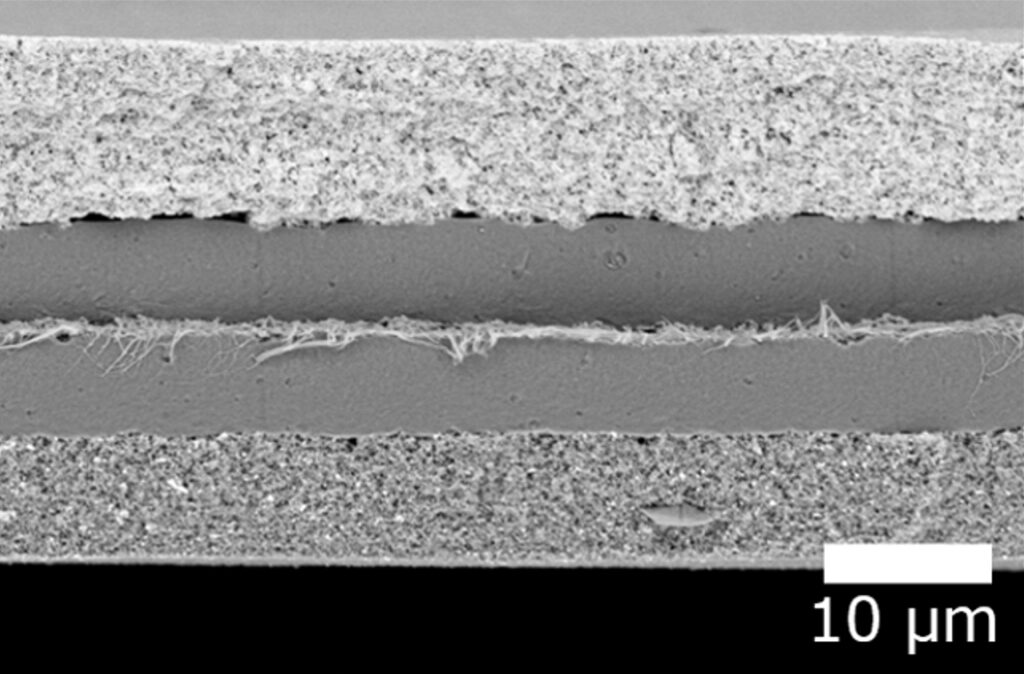
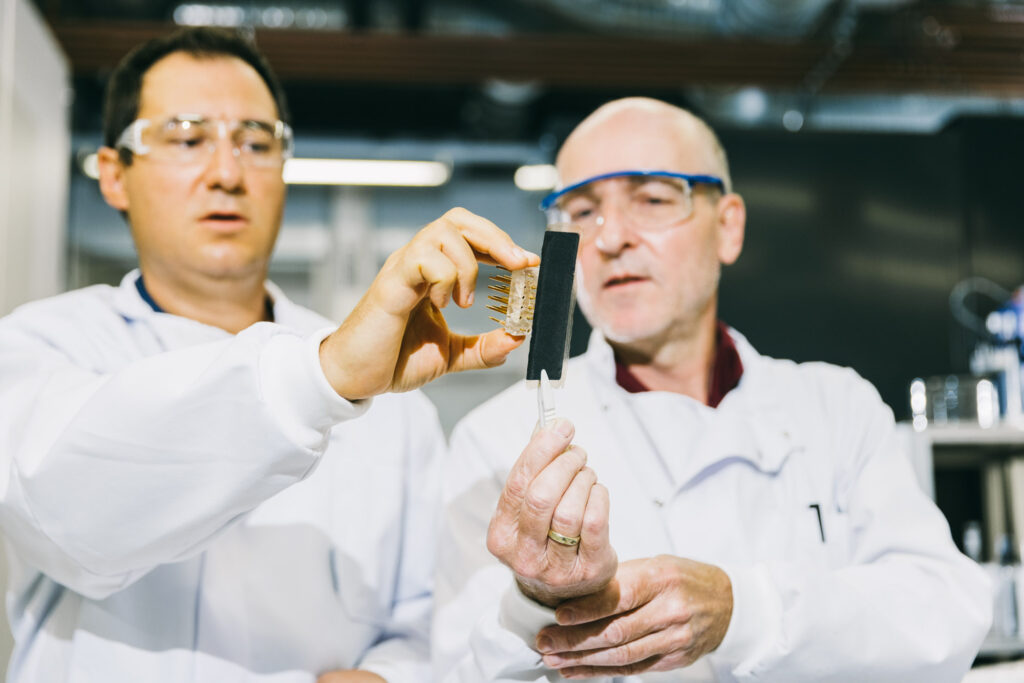
The project aims to develop high-performance, cost-effective electrocatalysts as well as optimised anode and cathode catalyst layers to specifically enhance electrochemical performance. Another focus is on advanced AEM membranes with lower hydrogen permeability, higher hydroxide conductivity, and improved mechanical stability. These are based on commercially available ionomers that are being specifically further developed.

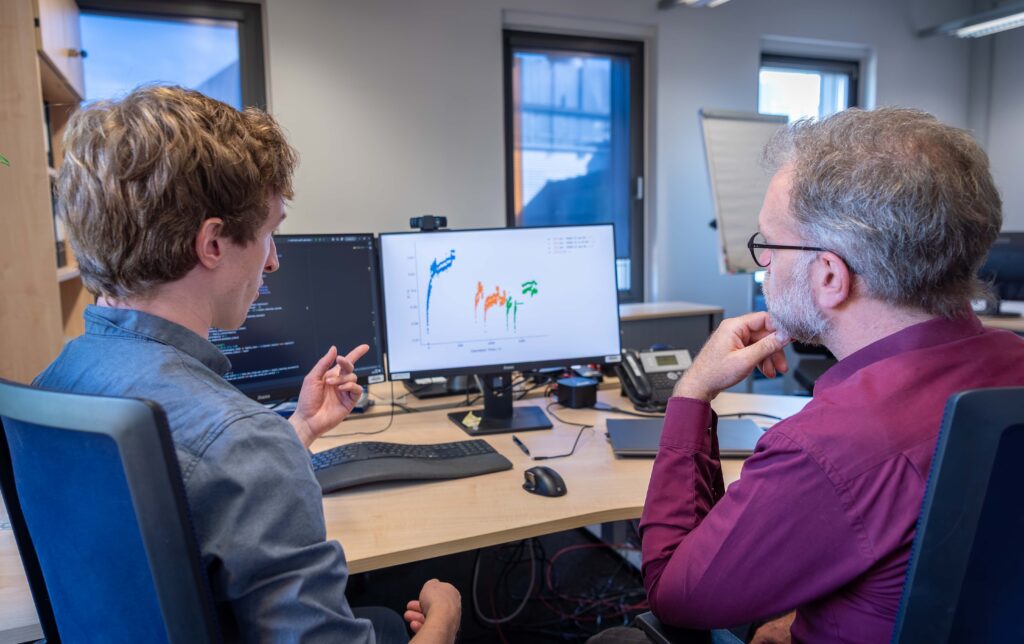
In addition, the project systematically investigates electrochemical losses, Faraday efficiency, and relevant aging mechanisms of the systems. Advanced diagnostic methods – including the use of specially developed hydrogen reference electrodes – enable a detailed understanding of the underlying processes.

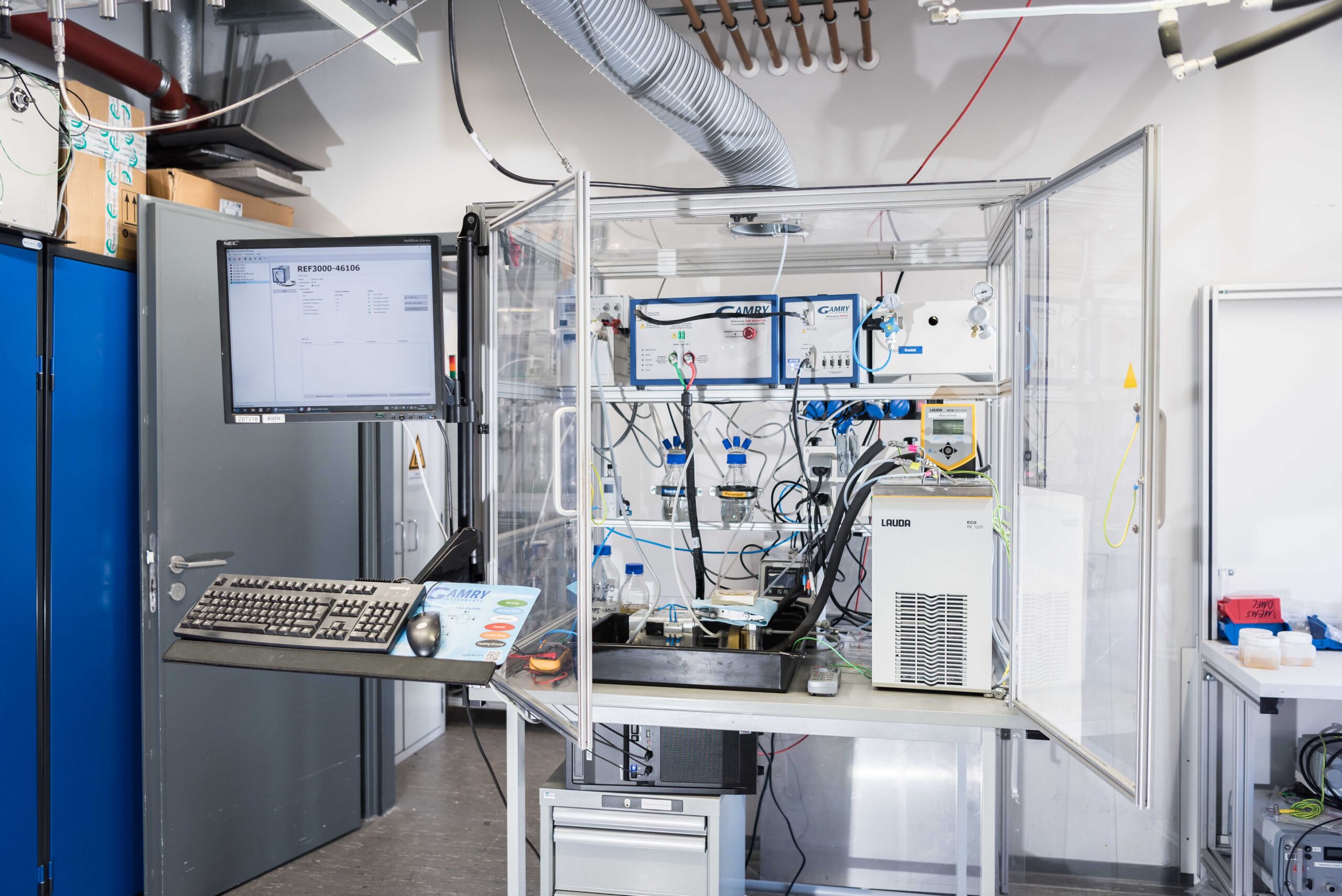
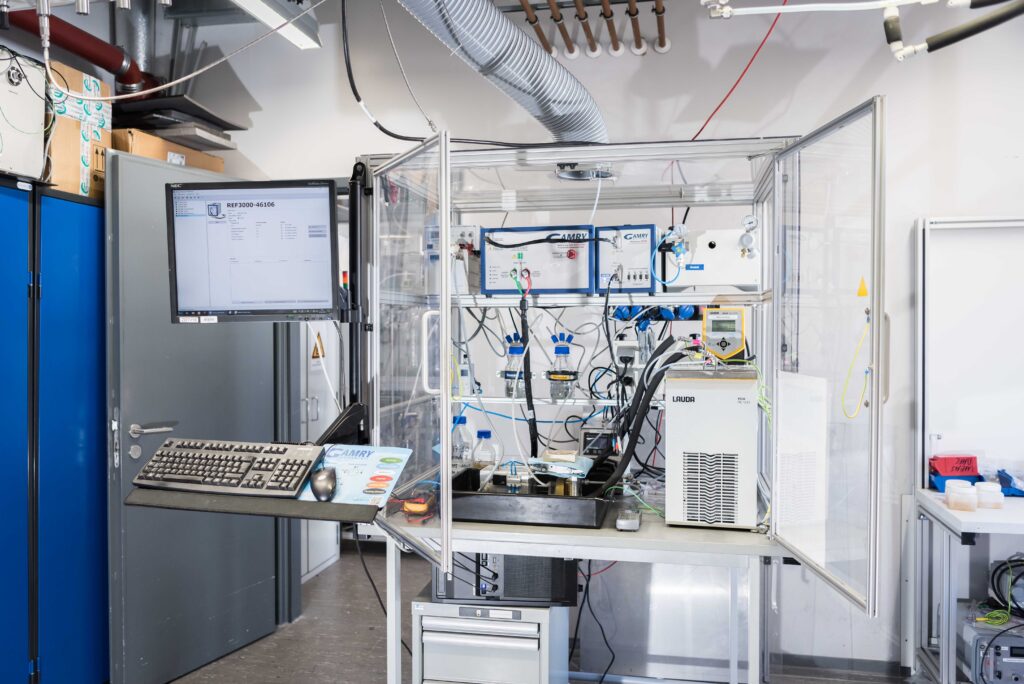
Because high pressure differentials can occur during the operation of electrochemical hydrogen compressors, special test cells featuring innovative electrochemical measurement technology are used. These enable realistic testing and provide important data for the further development of the technology.

The results from HiHyPe will be particularly relevant for small and medium-sized enterprises in the fuel cell and electrolysis sectors. While the stack design is already well established in many cases, the further development of the membrane electrode assembly holds new potential for innovation. Material screening and optimisation processes provide an important foundation for technology transfer.

The project provides foundational knowledge and practical guidelines for the further development of AEM-based electrochemical hydrogen compression. In the long term, this opens up prospects for more cost-effective, resource-efficient systems with less reliance on PFAS and critical precious metals.

Logo der IGF - Industrielle Gemeinschaftsförderung

Project information

Project title: Innovative and safe performance optimisation of electrochemical hydrogen compression (EHC) with both precious and non-precious metal catalysts in hydroxide ion exchange membrane systems (AEM)

Short Title: HiHyPe

Project partners:

Project duration: 1 February 2026, through 31 July 2028

Project budget: 274 ,964.42 euros

Funding: Funded by the Federal Ministry of Economics as part of the Joint Industrial Research (IGF) program

Contact

Questions about the project will gladly be answered by

Enado Pineti
+49 203 7598-3133
Porträt des Mitarbeiters Enado Pineti

Media

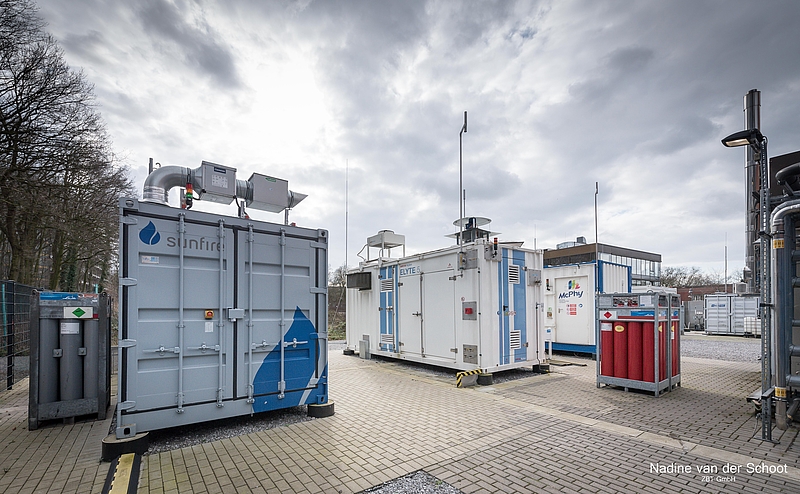
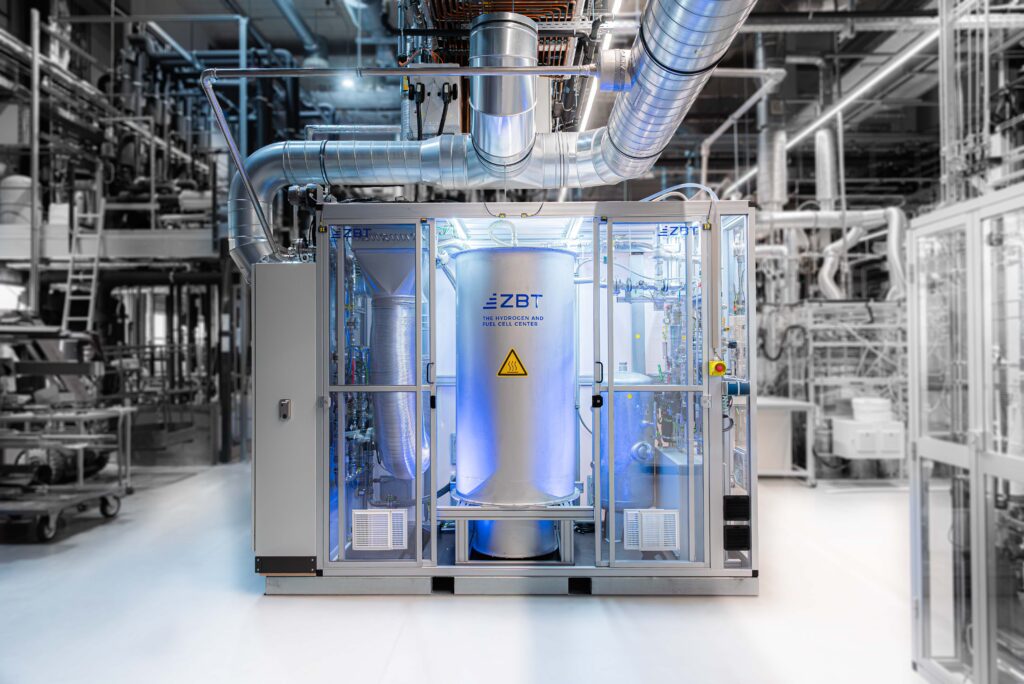
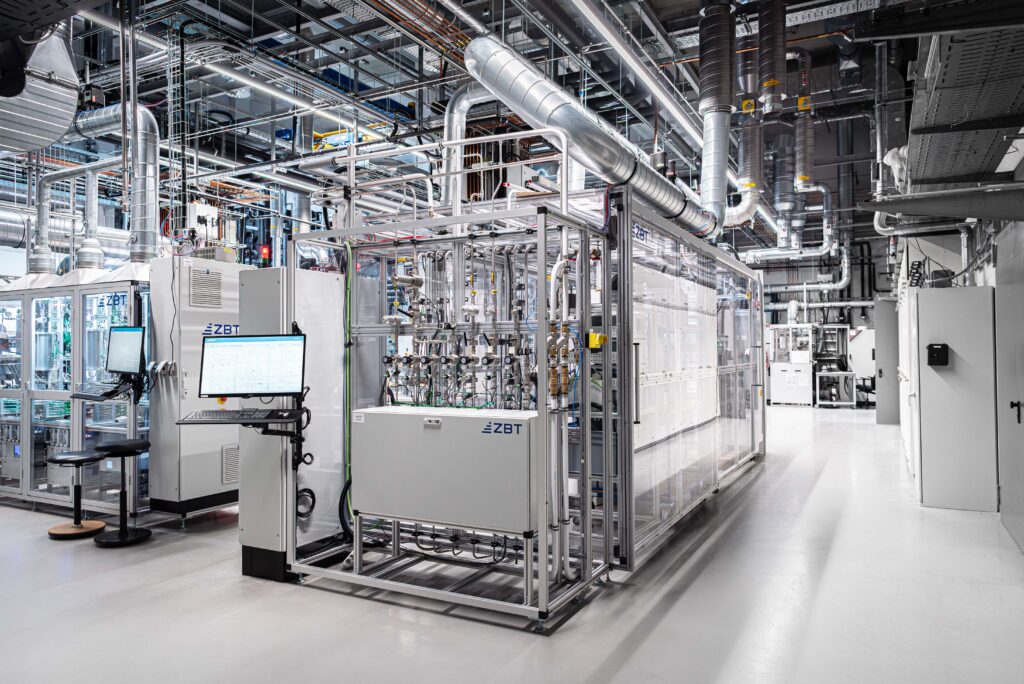
The infrastructure for hydrogen mobility research requires a lot of space; pictured: electrolysis systems at the ZBT The infrastructure for hydrogen mobility research requires a lot of space; pictured: electrolysis systems at the ZBT
Other exciting projects

All our projects

Discover more