RADAR-PEM – ESR-Based Short-Term Diagnostics for the Aging of PEM Electrolysis Membranes

As part of the IGF project RADAR-PEM, the ZBT and the MPI-CEC are developing an ESR-based short-term diagnostic method for the direct measurement of membrane aging in PEM water electrolysis.

The IGF-funded RADAR-PEM project combines electron spin resonance (ESR) with electrochemical diagnostics to directly and quantitatively measure, for the first time, the radical-driven degradation of proton exchange membranes ZBT – The Hydrogen nd Fuel Cell Center in cooperation with the Max Planck Institute for Chemical Energy Conversion (MPI-CEC) and began on 01. October 2026.
Problem Statement

In PEM water electrolysis, radicals accelerate the chemical degradation of membranes and electrode assemblies. To date, detection has been primarily indirect – for example, via voltage drift, gas permeation, or fluoride concentration in the process water – and requires extensive lifespan tests spanning several hundred to a thousand operating hours. For SMEs, this poses a significant development and investment risk. The problem is exacerbated by regulatory efforts to replace per- and polyfluorinated alkyl substances (PFAS) with new, less critical polymers.

Project Goal

RADAR-PEM aims to develop and validate an ESR-based short-term diagnostic method (≤ 72 h) that directly measures radical formation – type, concentration, and lifetime – and quantitatively links it to electrochemical parameters: voltage drift (ΔU), gas crossover (H₂/O₂ crossover), open-circuit voltage (OCV) drift, and EIS for separating ohmic, kinetic, and transport losses. Based on this, SOPs and safe operating windows are derived for PFAS-based and PFAS-free proton-exchange polymers.

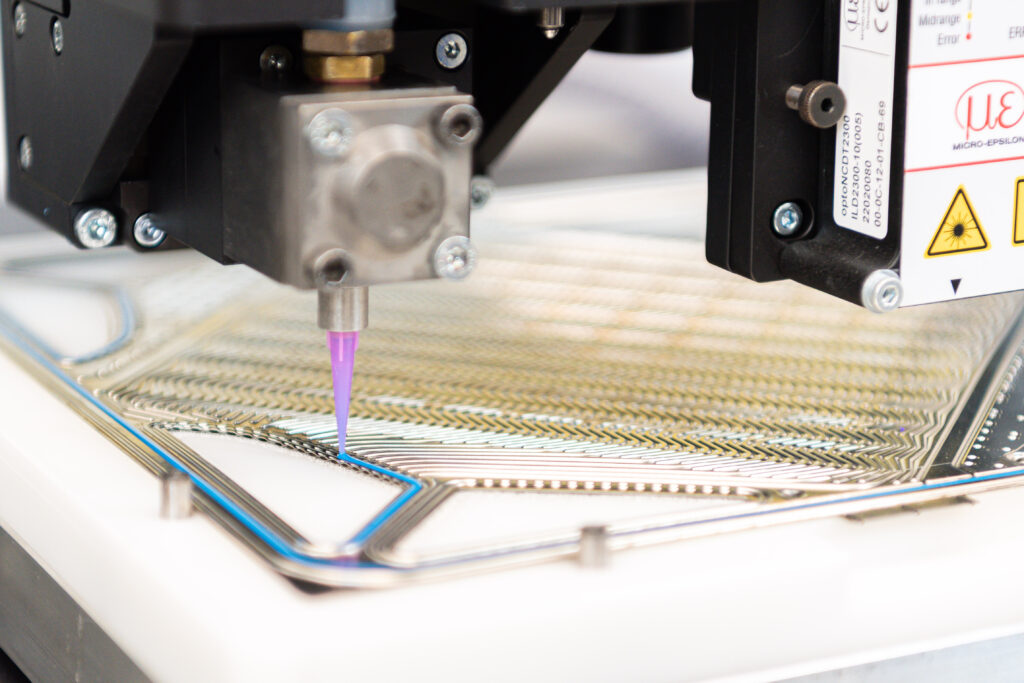
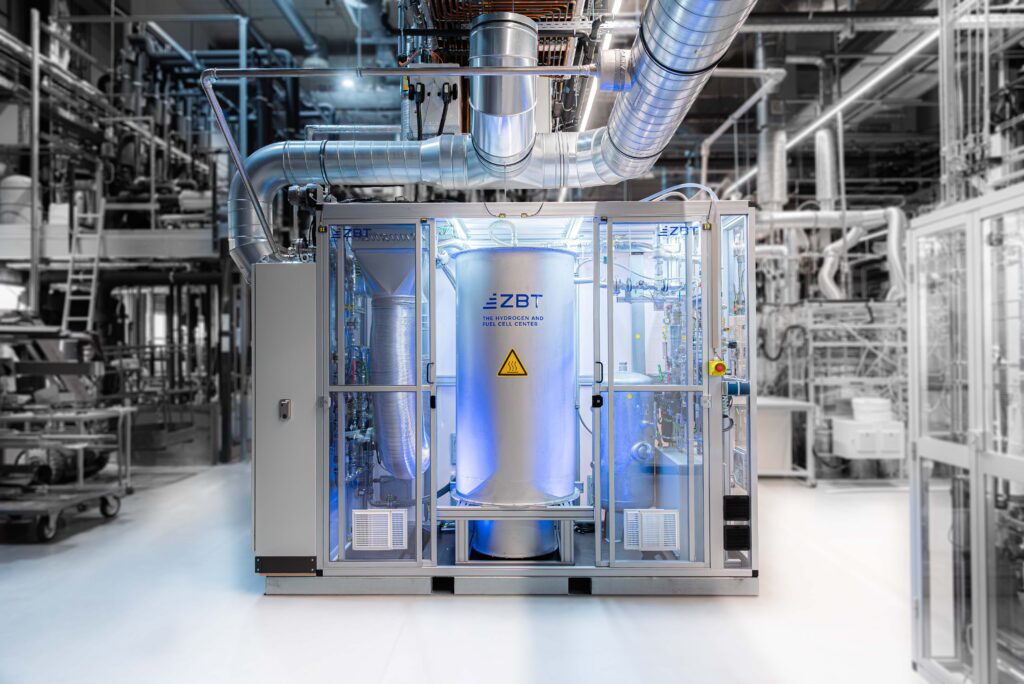
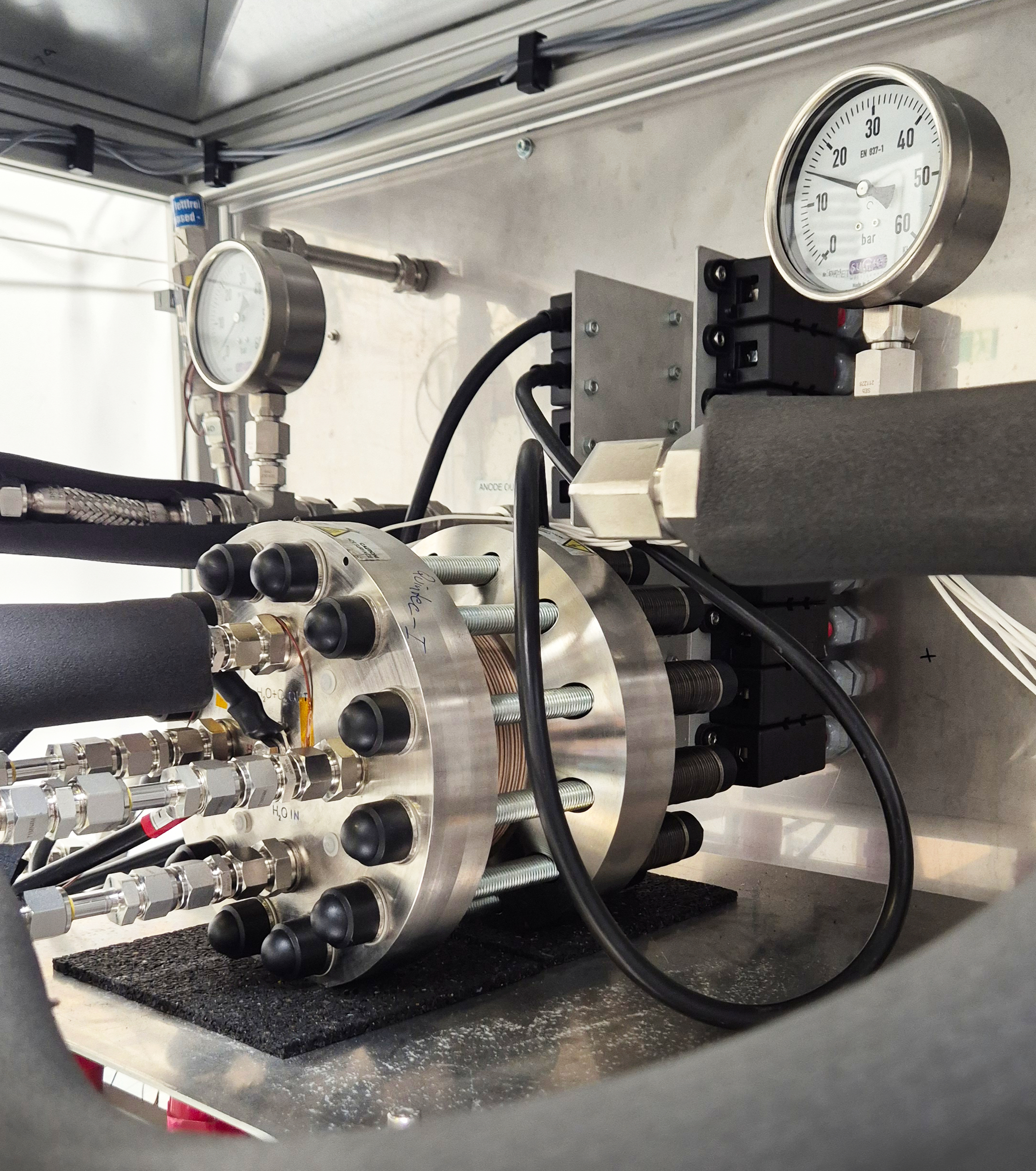
Elektrolyseteststand

Measurement Architecture

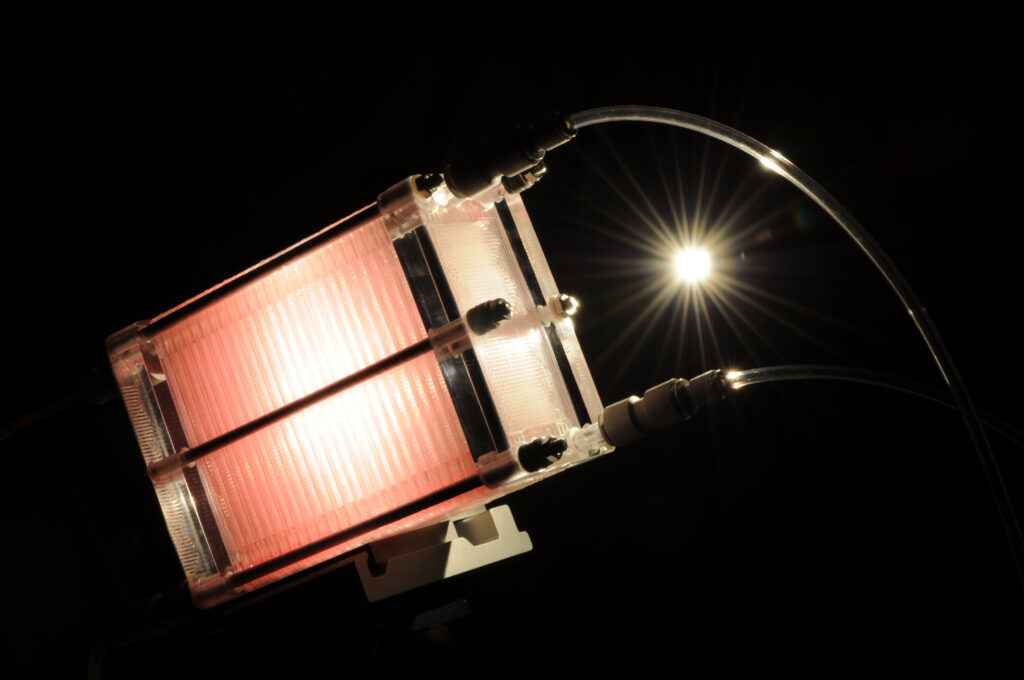
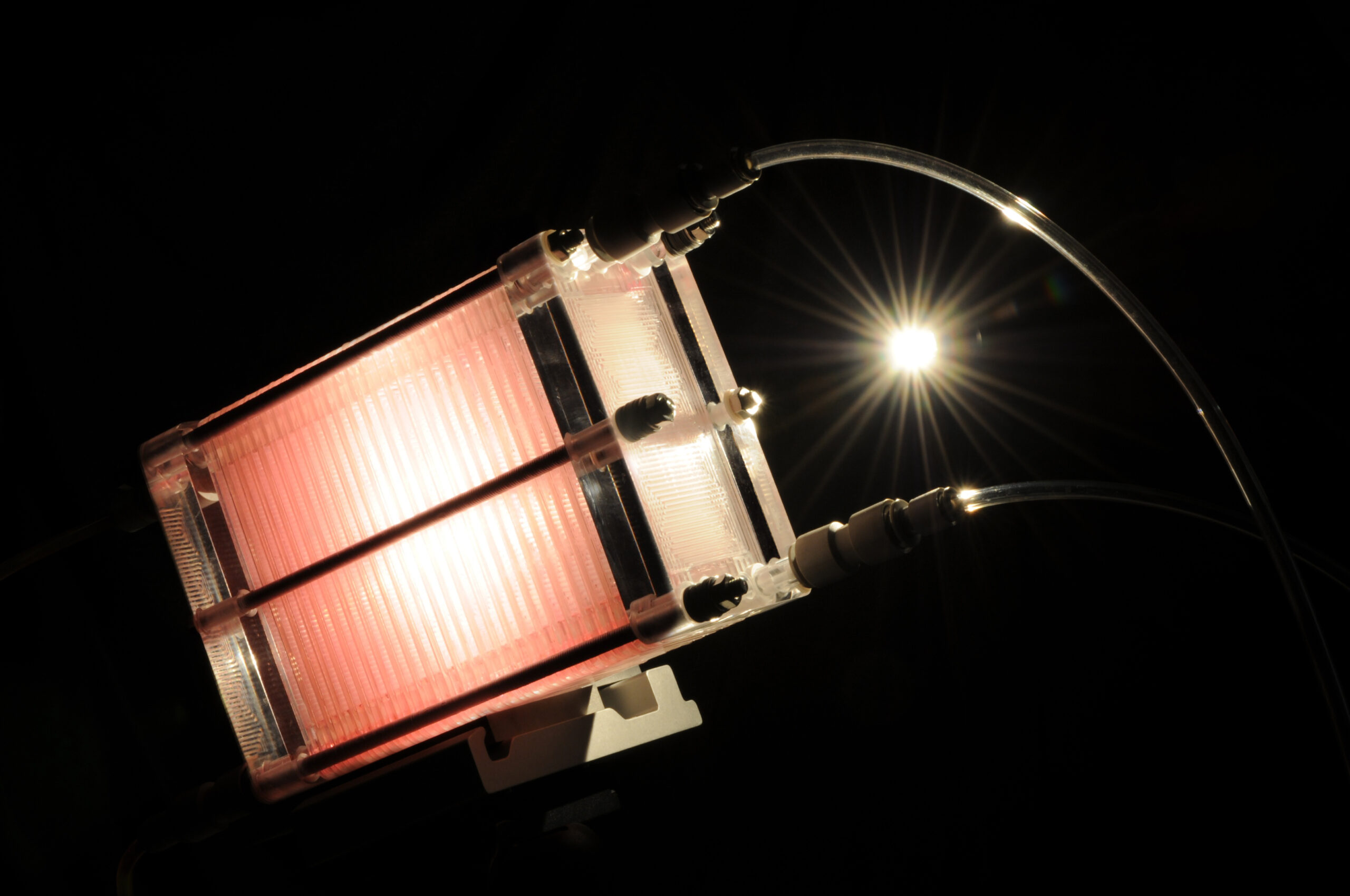
The experimental realisation relies on two complementary test cells: an ESR spectroelectrochemical cell with a membrane to simulate H₂ permeation and measure the influence of non-PGM supports (e.g., TiO₂, SnO₂/ATO, Ti₄O₇, ZrO₂); and a reference PEM fuel cell coupled with an ESR spectrometer for realistic OCV, minimum load, and load protocols with spin trapping in the circuit.

Partners and Roles

The MPI-CEC (Mülheim an der Ruhr) is responsible for the ESR methodology – both direct and spin-trapping – as well as the spectroelectrochemical cells, calibration, and data correlation. The ZBT (Duisburg) operates the reference PEM fuel cell (three-electrode, RHE) and handles EIS, gas permeation, MEA screening, operating window and idle protocols, as well as SOP development and transfer.

0Utilise benefits and transfer for SMEs

The project addresses a generic industrial problem involving the early assessment of radical-driven material aging and opens up new opportunities for SMEs in the areas of accelerated material down-selection, risk reduction, and qualification-based service offerings. The project will result in the transfer of standardised test protocols, SOPs, reference datasets, calibration standards, and a traceable data pipeline for correlating radical formation and material aging.

Project information

  • Project Acronym: RADAR-PEM
  • Project Title: Radical Diagnostics and Control in PEM Water Electrolyzers: Electron Spin Resonance-Based Monitoring of Aging in PFAS-Containing and PFAS-Free Membranes
  • Project Duration: 01. October 2026 – 31. March 029
  • Grant ID: 01IF25521N
  • Grant Amount: €524,925.35 (Net Grant: €247,970.53)
  • Partner:
    • ZBT
    • MPI-CEC


Contact

Sebastian Hirt
+49 203 7598-4285
Portrait of Sebastian Hirt.

Skills

The project builds on the ZBT’s extensive expertise in the areas of PEM water electrolysis, electrochemical characterisation, measurement and testing technology, as well as materials and aging studies. The existing testing infrastructure and expertise enable the investigation and evaluation of membranes and membrane-electrode assemblies under defined and realistic operating conditions. The corresponding measurement, testing, and development services are also available to industry partners as part of contract research and development projects.

  • Measurement and Testing Services – Electrochemical characterisation and testing of PEM electrolysis cells and their components, including impedance spectroscopy and gas permeation measurements.
  • Development Services – Development and validation of new diagnostic and testing methods, as well as support in the investigation and optimisation of membrane materials and electrolysis components.
  • Consulting and Studies – Support in evaluating material durability and aging behavior, as well as in the selection and qualification of suitable materials for PEM electrolysers.


learn more about our services

Other current projects