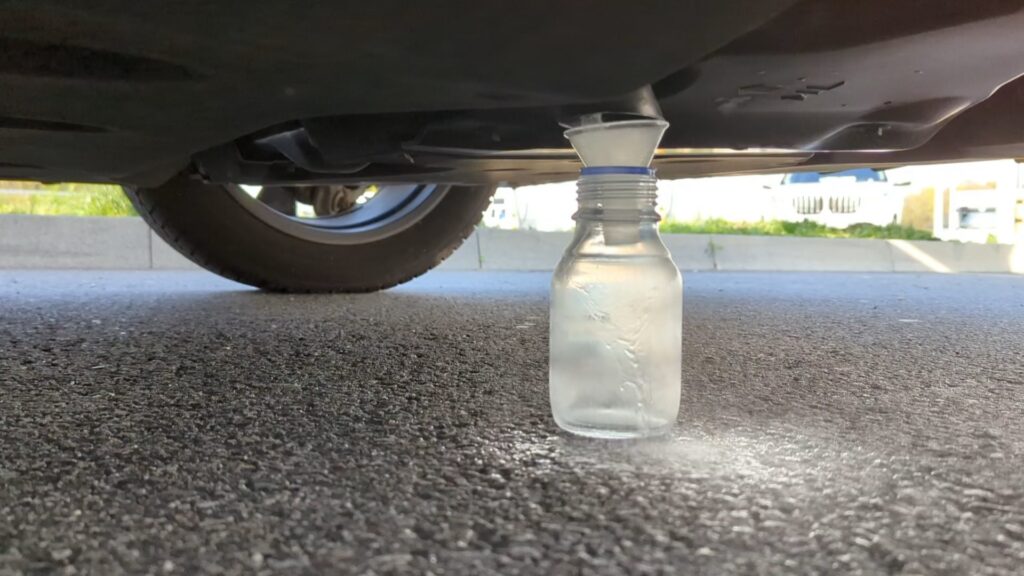
PARZELL – Qualitative and Quantitative PFAS Analysis in Electrolysis and Fuel Cell Operations
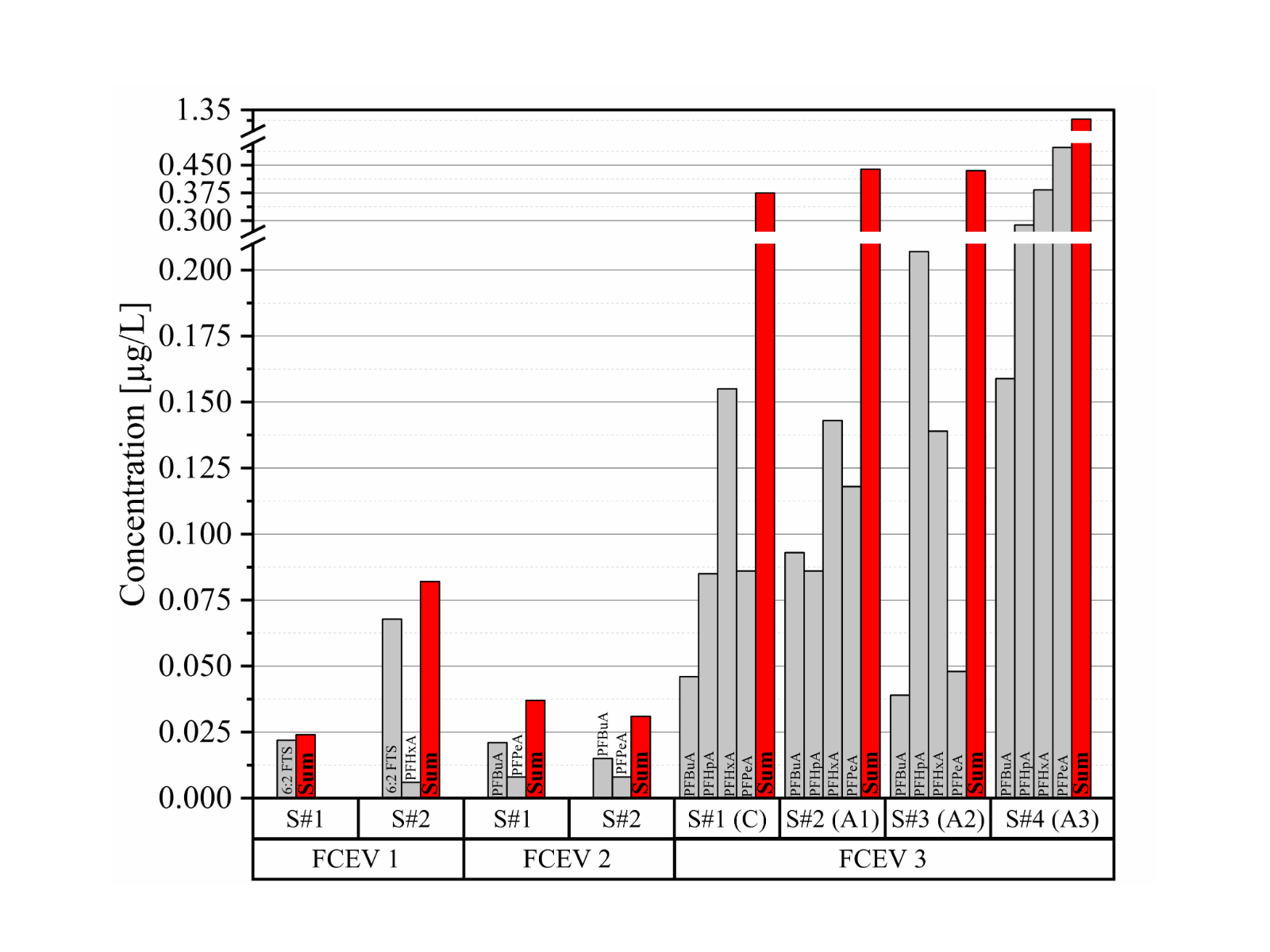
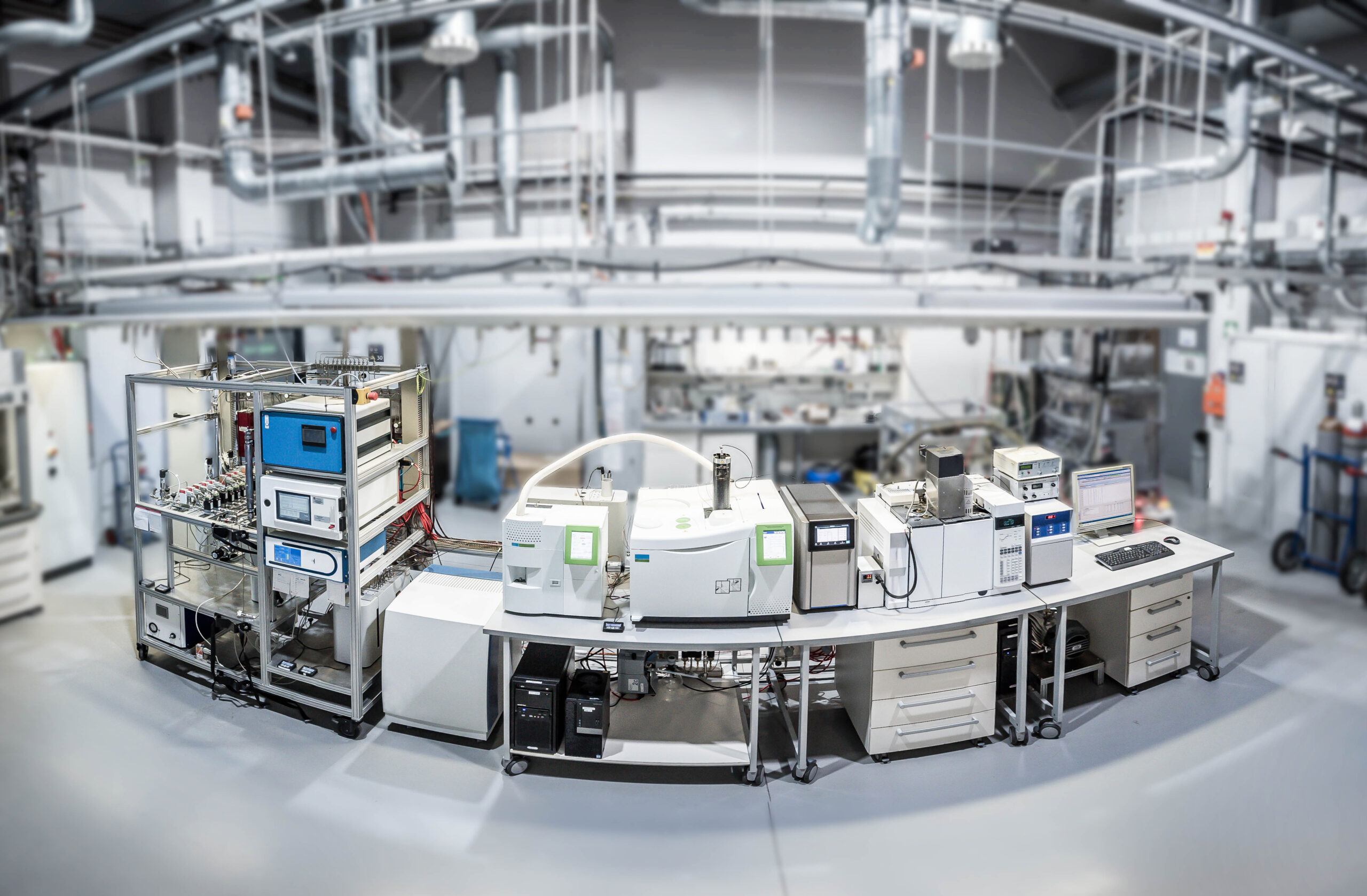
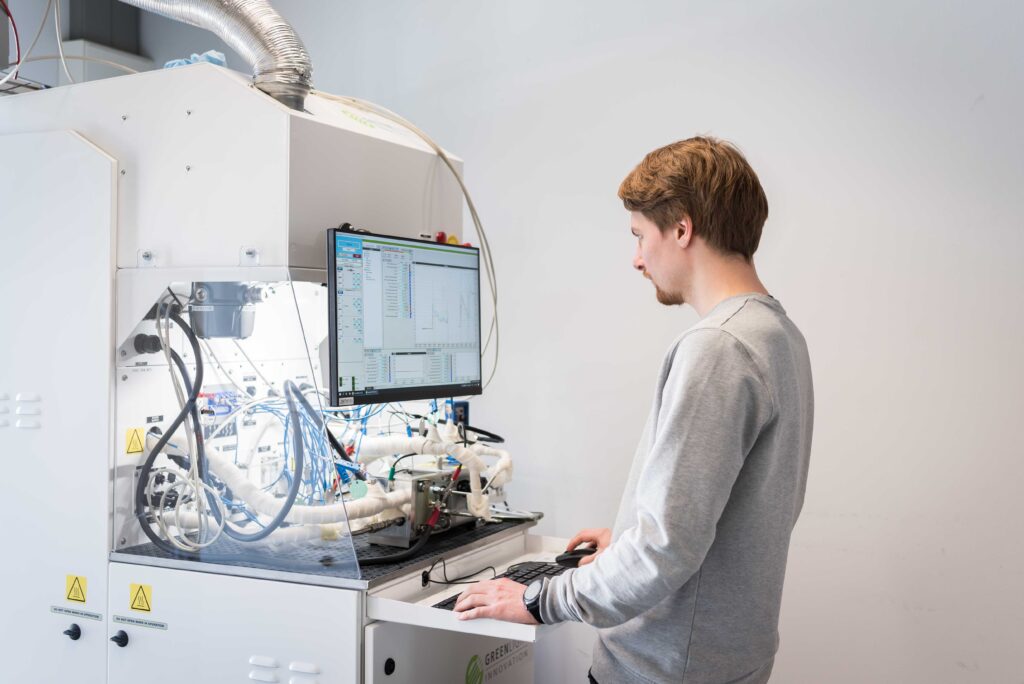
In addition to technological opportunities, the development of a climate-neutral hydrogen economy also raises new environmental concerns. That is why the PAZELL project is conducting a detailed investigation into PFAS emissions from PEM electrolysis and PEM fuel cell systems.
Per- and polyfluoroalkyl substances (PFAS) have exceptional material properties that are valued in many applications. However, due to their high persistence, potential for environmental accumulation, and health risks, they are increasingly becoming the focus of regulatory discussions.
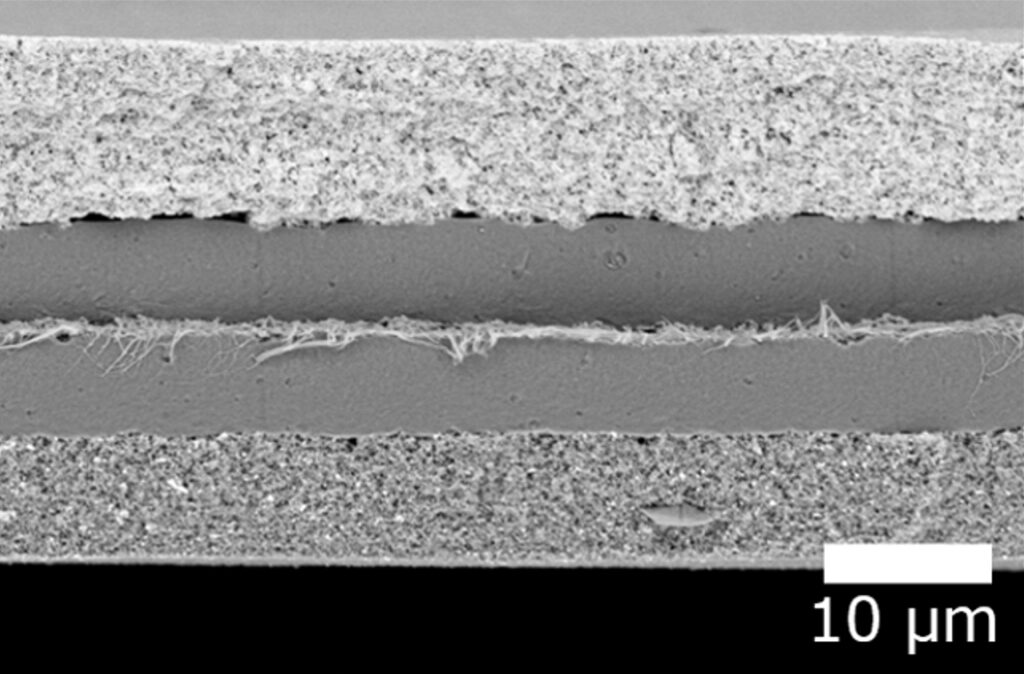
Materials containing PFAS, particularly ion-conducting ionomers and membranes, have been key components of various hydrogen technologies, such as certain types of electrolysis and fuel cells. To date, little is known about the extent to which PFAS compounds are released from hydrogen systems into the environment. The newly launched PARZELL project aims to close this knowledge gap.


Media
Other exciting projects

All our projects
| Title | Launch Date | |
|---|---|---|
| GALWANi – Nanowire Electrodes for Alkaline Water Electrolysis | 1. July, 2026 | Read more |
| H2B – Is Hydrogen the Right Solution for Energy-Intensive SMEs? | 1. July, 2026 | Read more |
| SCoPE – Efficient Welding of Compound Bipolar Plates | 1. June, 2026 | Read more |
| EProBiP – More Efficient Production of Graphite-Polymer Bipolar Plates for Fuel Cells | 1. April, 2026 | Read more |
| NH3-HRS | 1. April, 2026 | Read more |
| NEREUS – Next-Generation Scalable AEM Electrolysers as Sustainable Hydrogen Production System | 1. March, 2026 | Read more |
| HiHyPe – New AEM Technology for Electrochemical Hydrogen Compressors | 1. February, 2026 | Read more |
| PEMELYonROLL – Scalable roll-to-roll manufacturing for PEM electrolysis MEAs | 1. January, 2026 | Read more |
| NiSkali – Scalable electrodes for AEM electrolysis | 1. January, 2026 | Read more |
| 3D-4-H2 – Further development of 3D printing technology for H₂ applications | 1. January, 2026 | Read more |