NH3Avi – Inline production of metal-supported SOFC MEAs for aviation

Climate-neutral flying requires new energy sources – and new production technologies. In the NH3Avi project, we are developing an inline-capable process for the production of metal-supported SOFC membrane electrode assemblies (MEA) for use with ammonia in aviation.

In order to significantly reduce pollutant emissions in aviation, it is necessary to switch to alternative, carbon-free energy sources. The possible options are limited by the need for high energy density in terms of both installation space and weight.

Ammonia (NH3) offers decisive advantages here. It is liquid at relatively low pressures at ambient temperature and therefore offers a high energy density. It can also be converted directly into electricity in solid oxide fuel cells (SOFC) – without additional process steps as a reactant.

However, the use of ammonia as a climate-neutral fuel in aviation still faces a few hurdles. For example, current SOFC technologies make it difficult to use them in aircraft due to long start-up times and low cycle stability at very high operating temperatures.

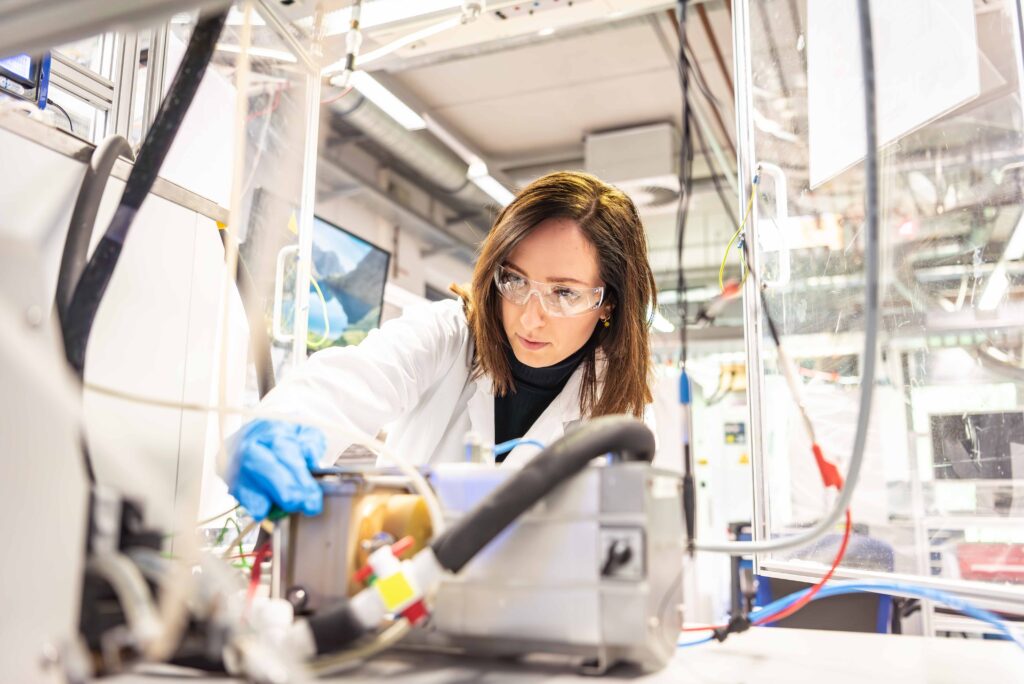
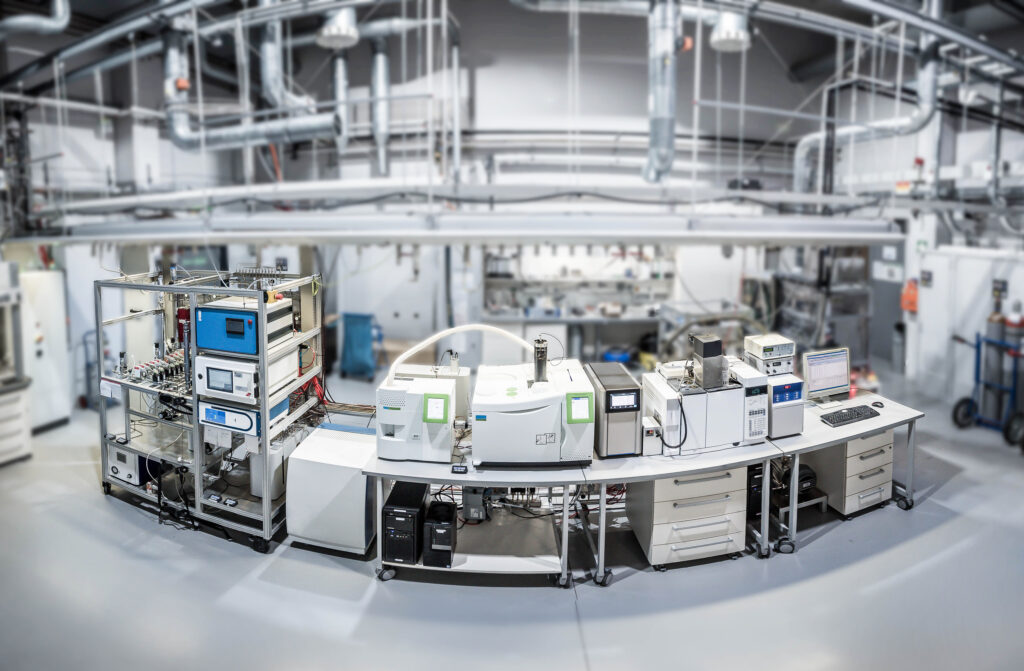
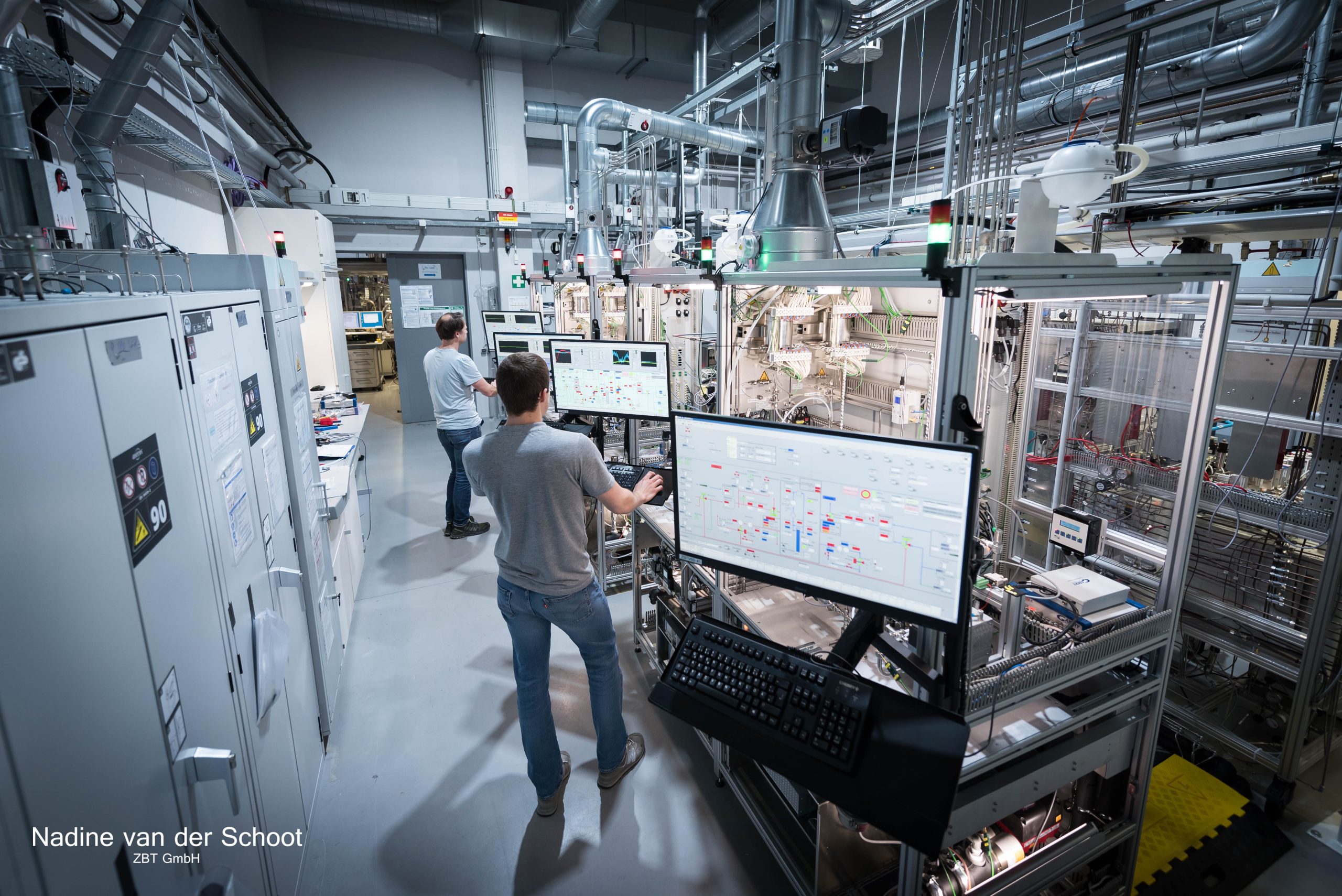
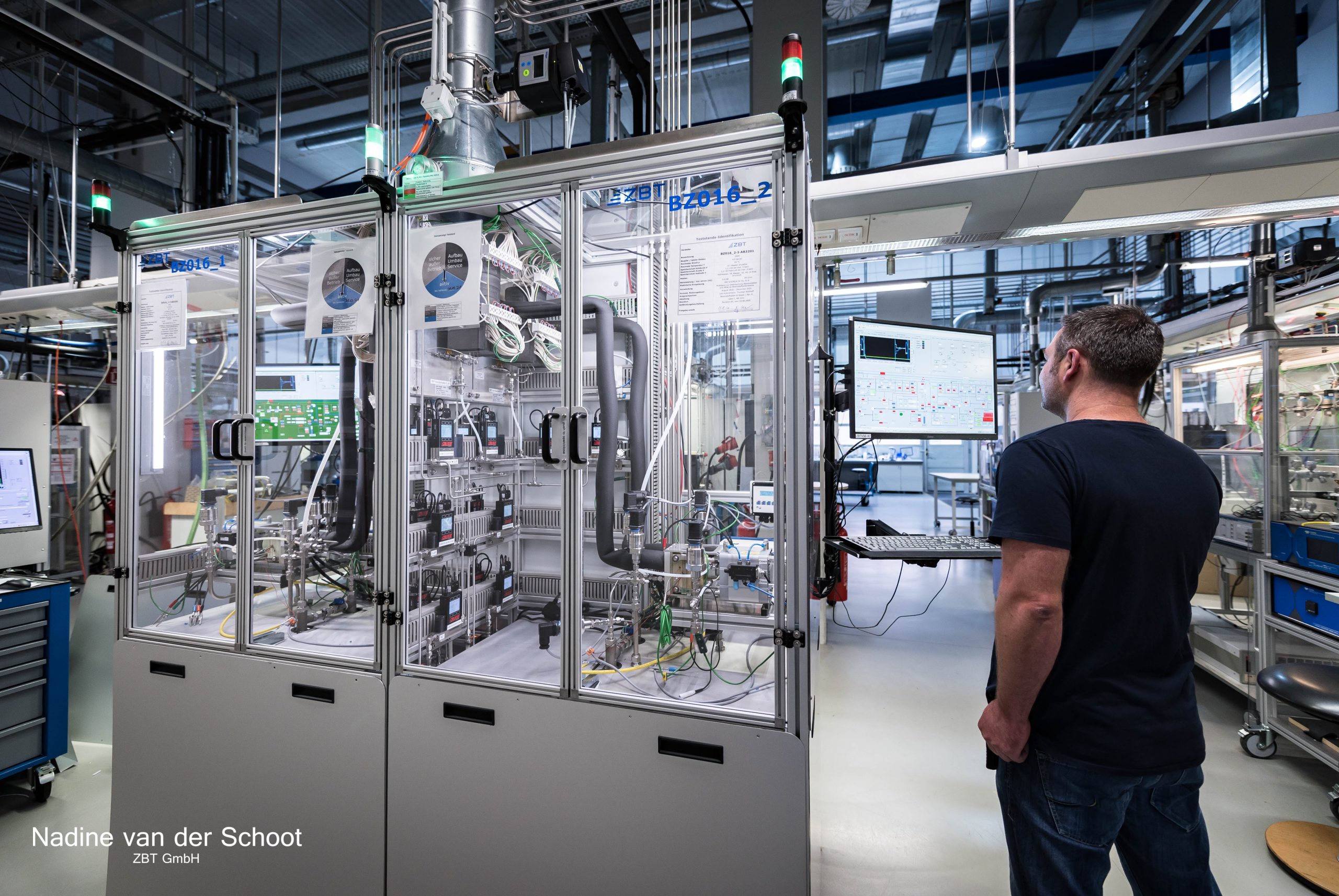
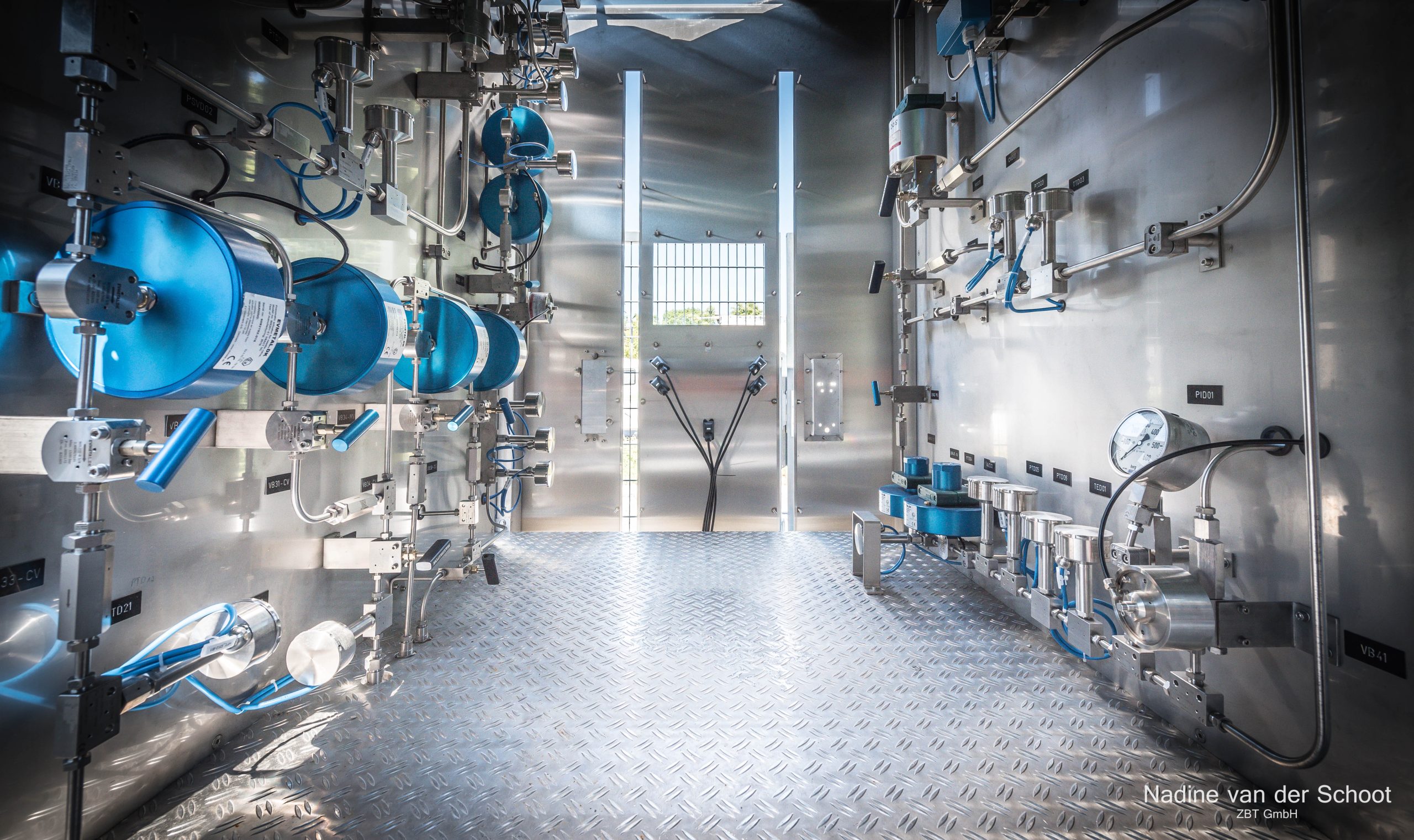
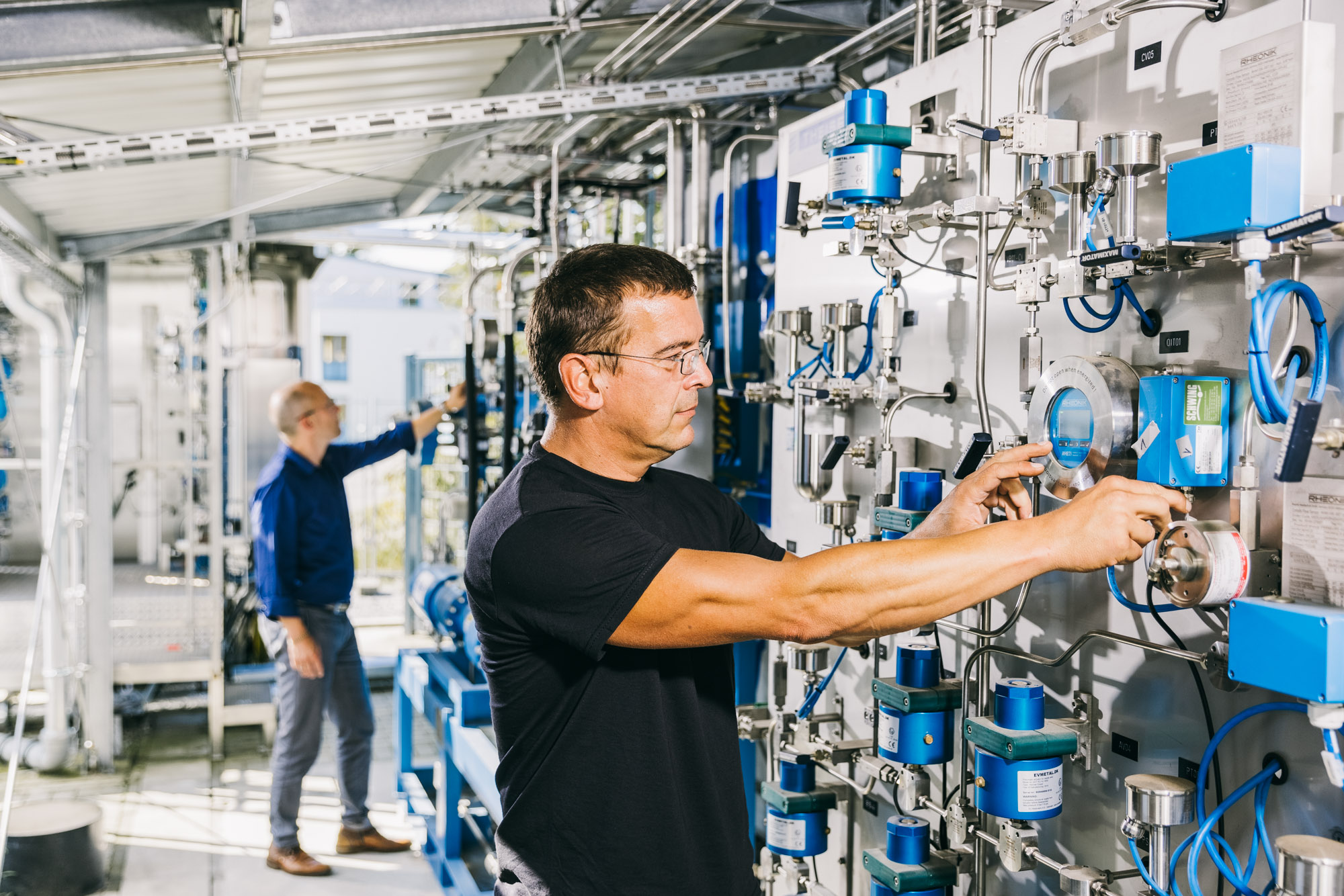
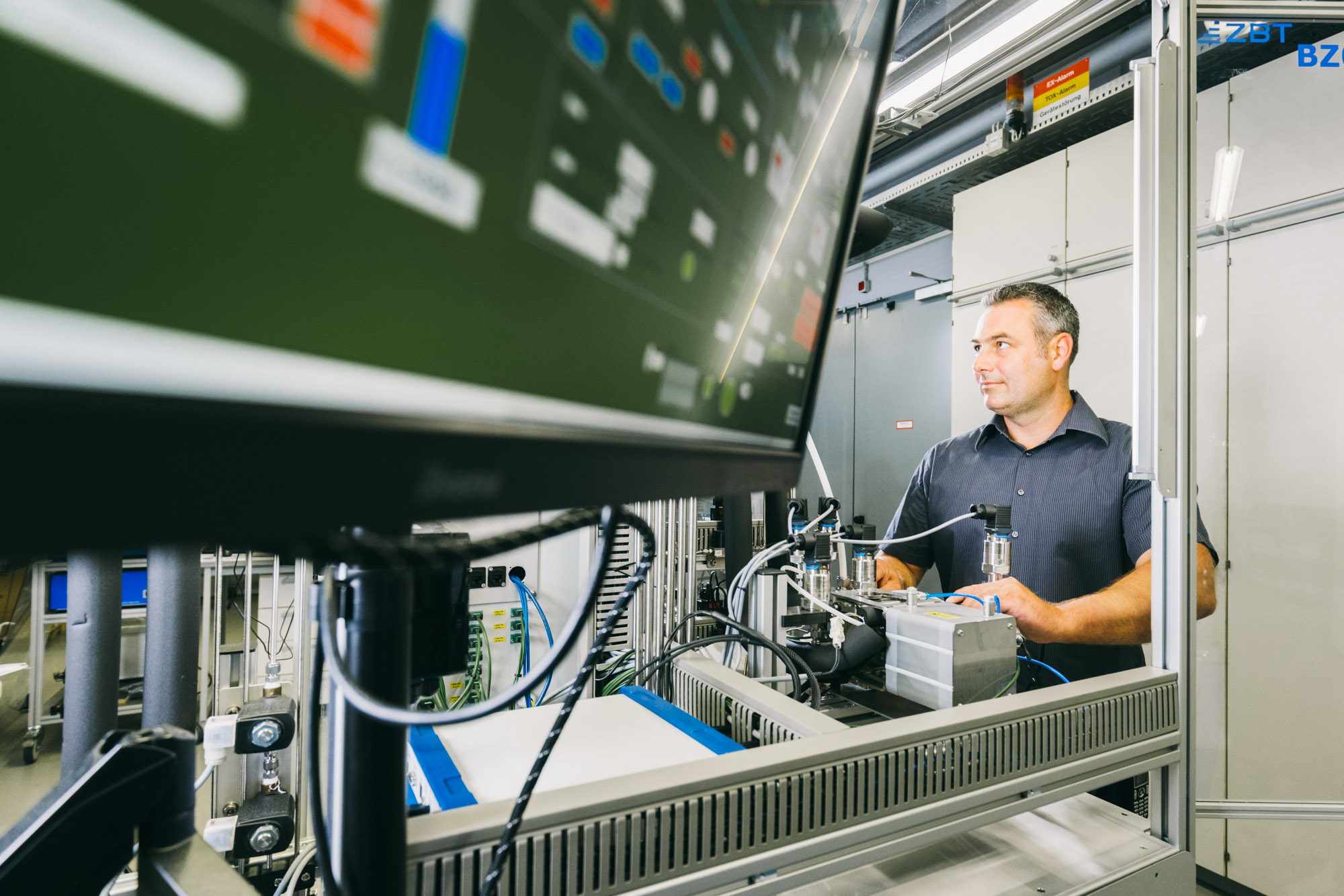
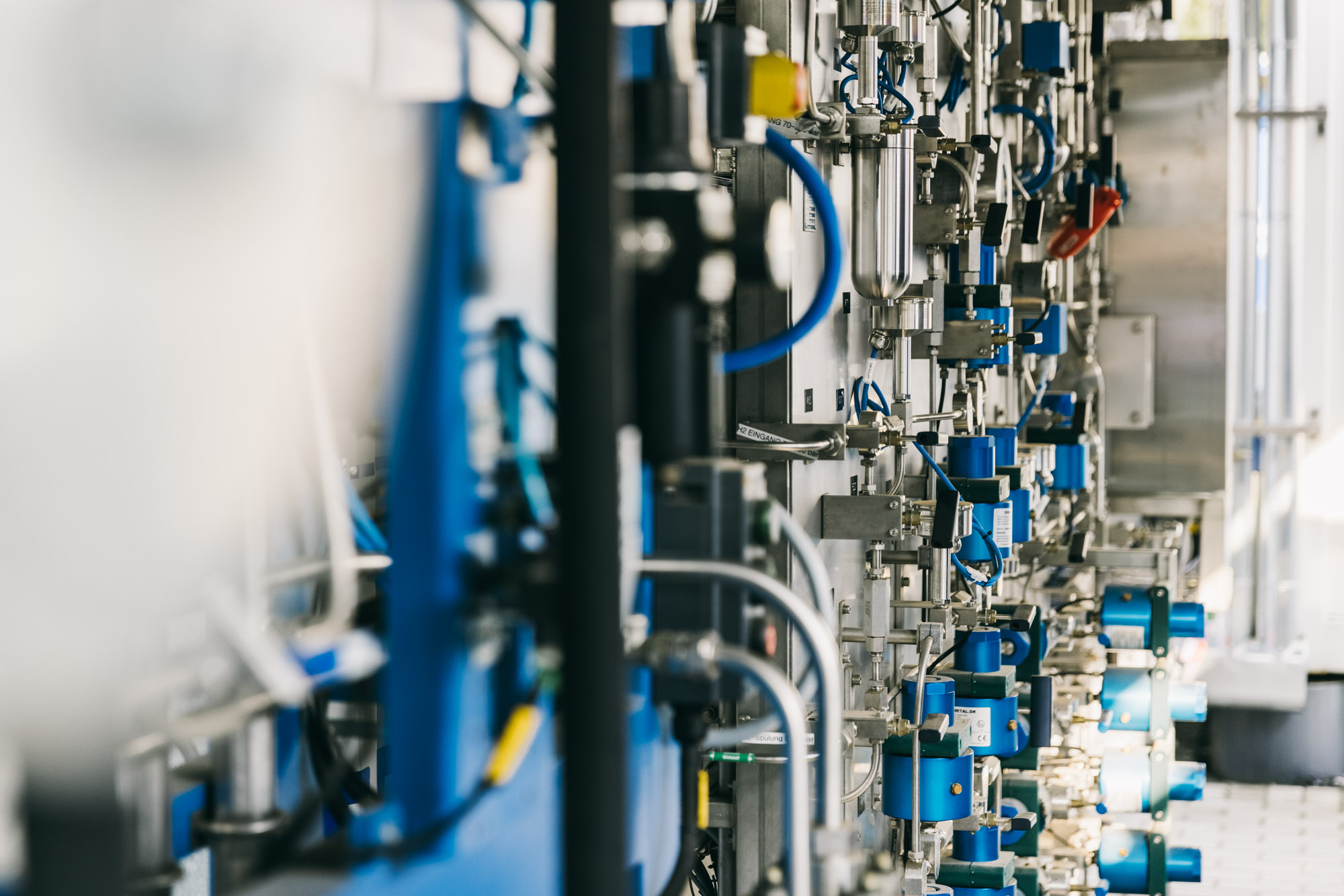
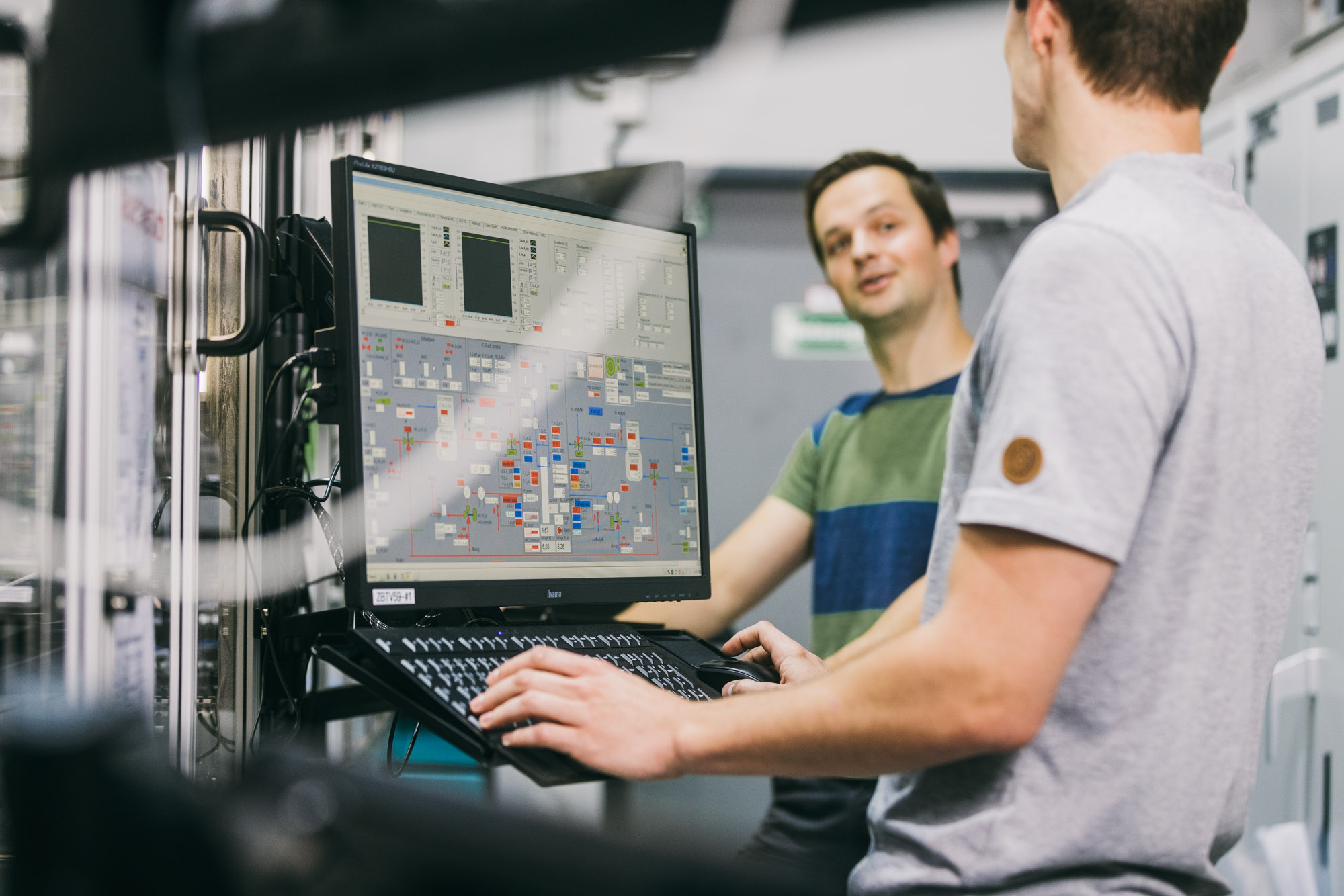
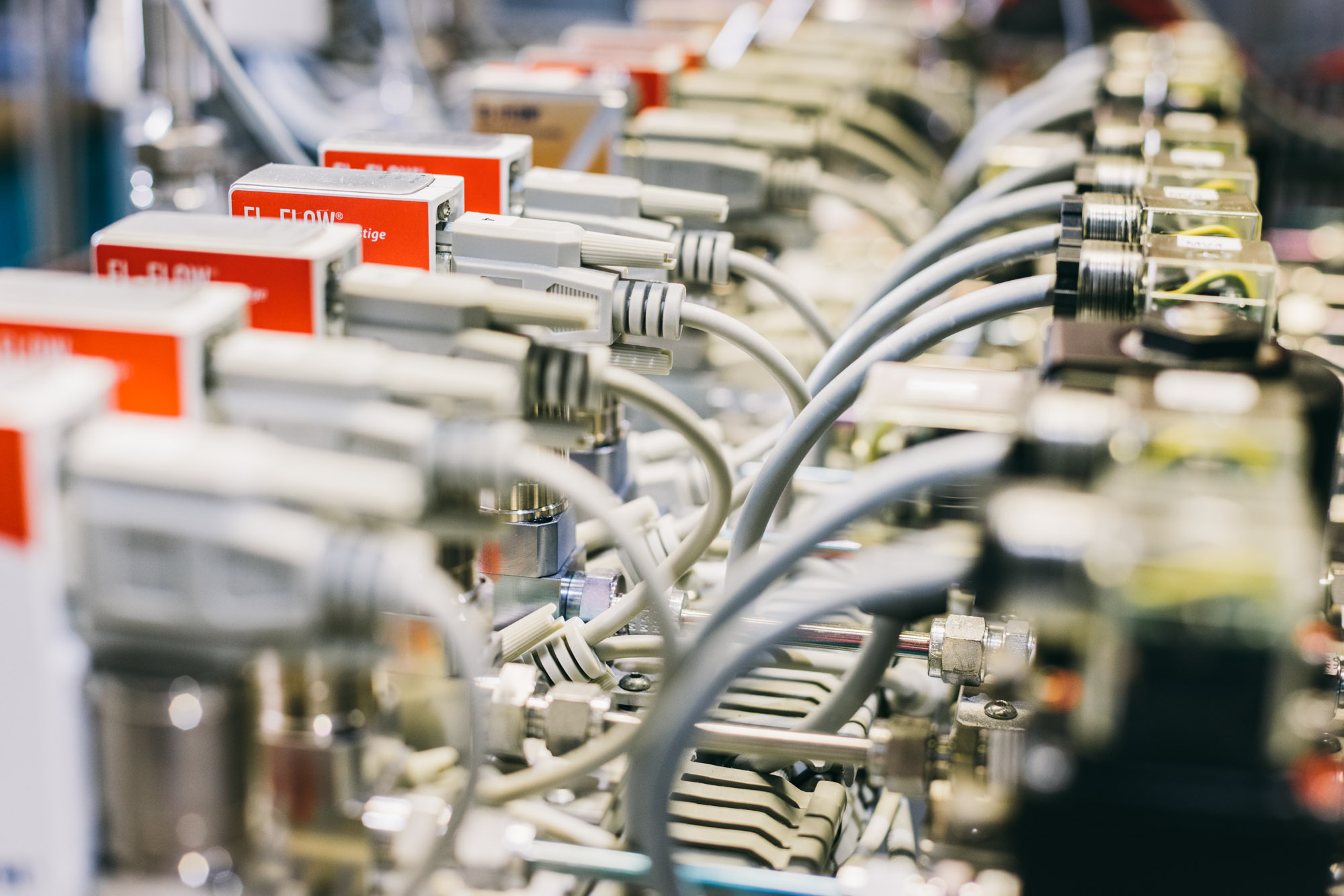
Teststand im Labor

New cell design for higher cycle stability

In the recently launched NH3Avi project, we are pursuing three core objectives together with the Fraunhofer Institute for Laser Technology (ILT), the Chair of Materials for Electrical Engineering 2 at RWTH Aachen University and the Leibniz Institute for Plasma Science and Technology (INP):

  • a novel metal-supported cell design for a proton-conducting SOFC in ammonia operation,
  • higher cycle stability for aviation requirements
  • as well as a new, inline-capable production process for the MEA multilayer system.

The approach relies on proton-conducting electrolytes (operation at approx. 400-600 °C instead of 1,000 °C) and a layer system on a metallic, porous carrier in order to accelerate temperature changes and increase robustness.

Targeted focus on inline production

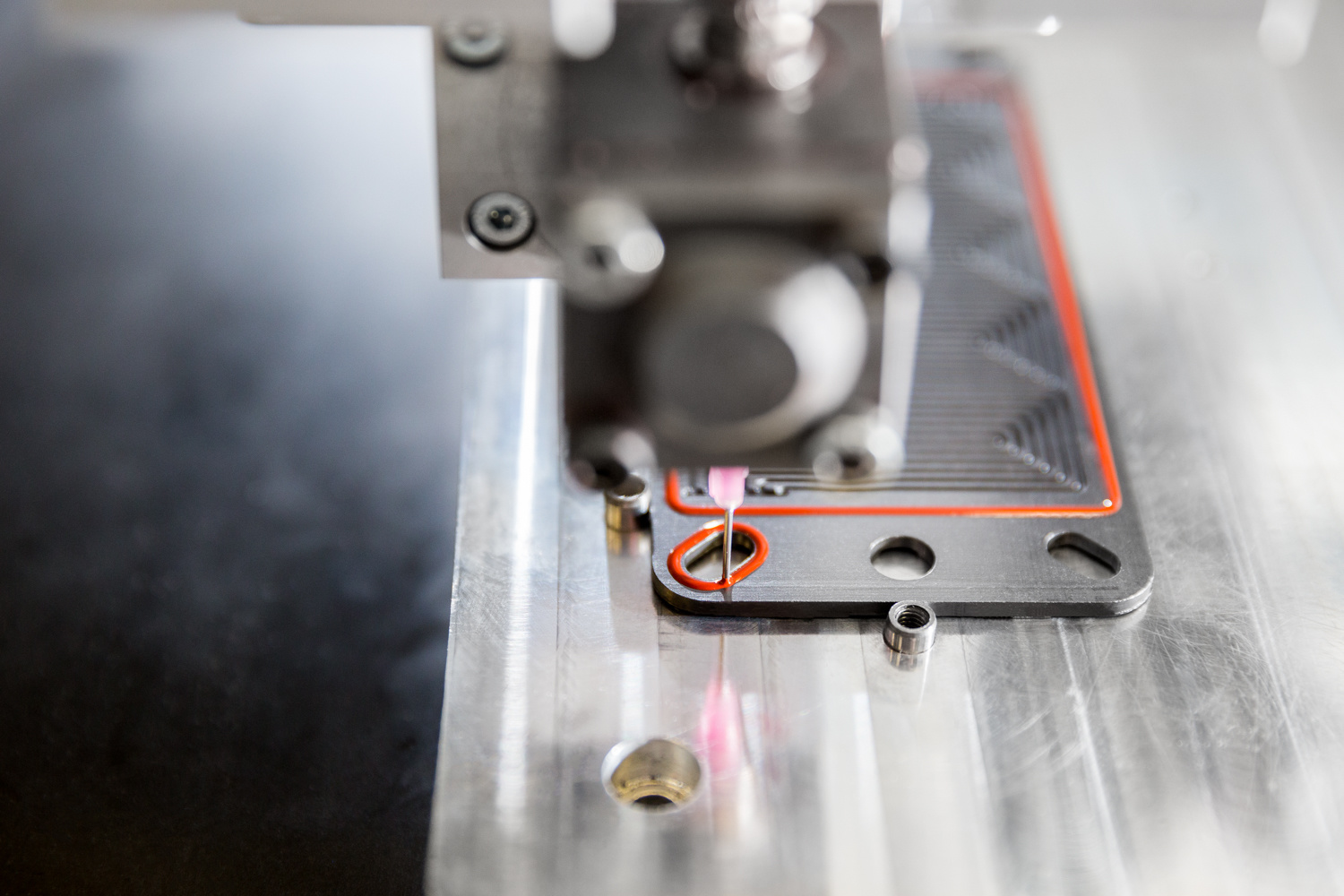
A central project principle is the consistent focus on inline-capable process chains: slow furnace processes for electrolyte crystallisation are replaced by dynamic laser processes, and no vacuum processes are used.

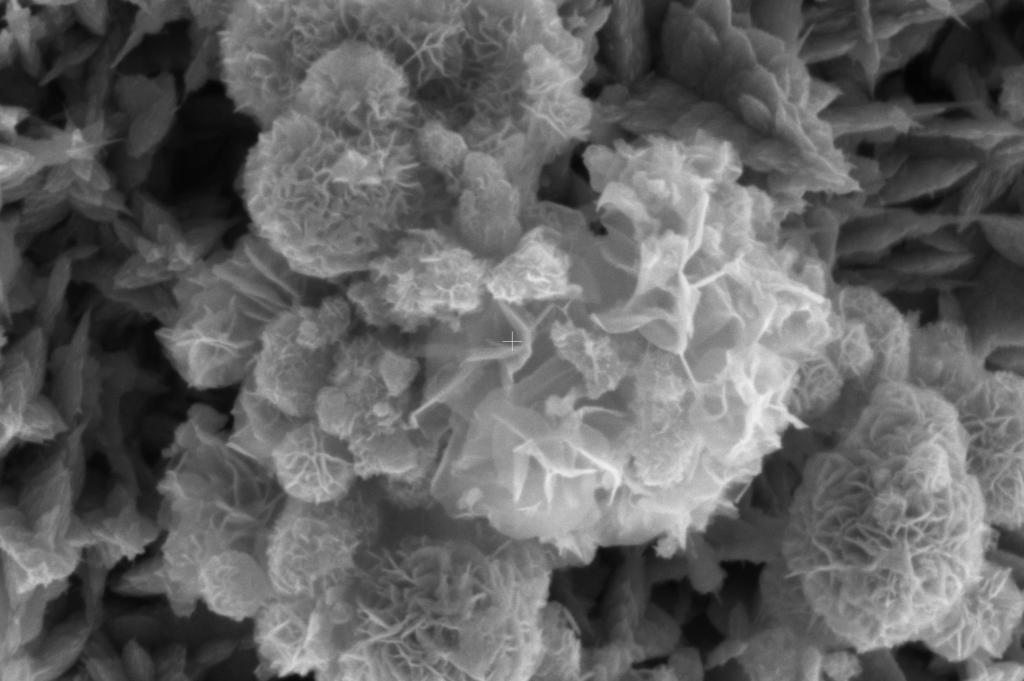
The partners cover complementary process steps in the network – from plasma spraying and morphological analysis (INP) to precursor systems and barrier layers (IWE2) to layer deposition and electrochemical characterisation (ZBT) as well as laser sintering/laser functionalisation (ILT).

Project information

Project title: Development of an inline-capable process for the production of metal-supported SOFC MEAs for use in aviation

Project acronym: NH3Avi

Duration: 1. October 2025 – 31. January 2029

Funding code / Project management organisation: 20M2439A, DLR

Program context: LuFo Climate VII-1 KTF – “Climate-neutral flying”

Project partners:

  • Fraunhofer Institute for Laser Technology (ILT)
  • Chair of Materials in Electrical Engineering 2 (IWE2) at RWTH Aachen University
  • Leibniz Institute for Plasma Research and Technology e.V. (INP)
  • ZBT – The Hydrogen and Fuel Cell Center
ZBT Laboratory Ammonia Cracker Plant Camp Fire Project

Questions gladly answered

Project manager

Robin von Mallinckrodt
+49 203 7598-2351
Portrait of Robin von Mallinckrodt.

Media

More about the department

Other current projects at the ZBT