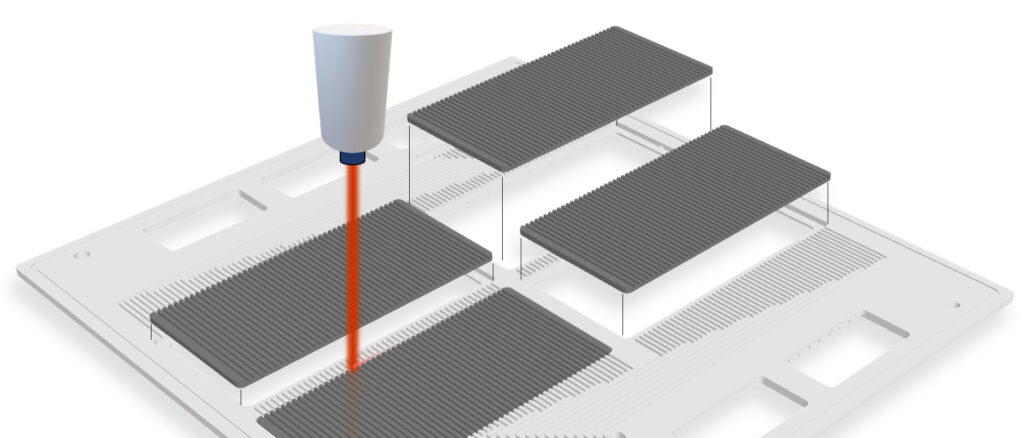
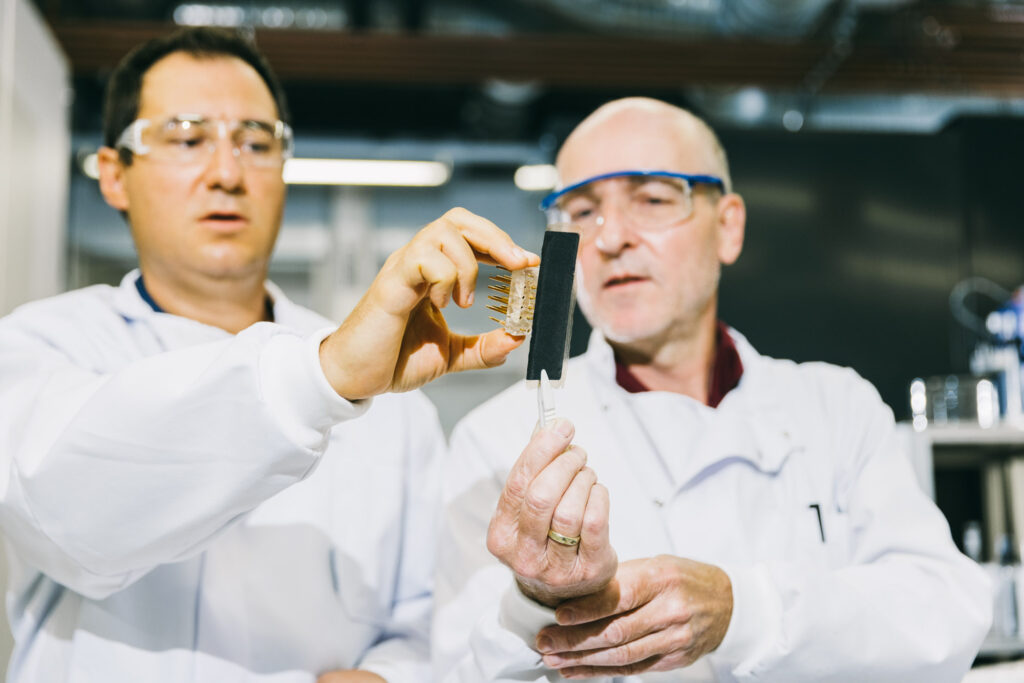
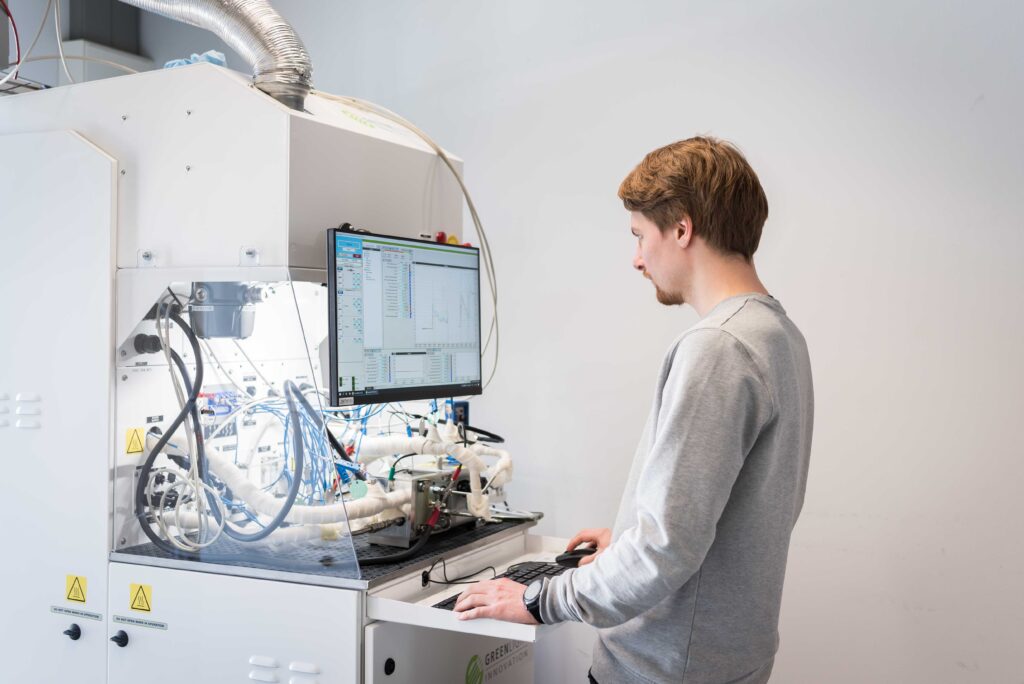
The researchers are paying particular attention to the choice of materials for both the compound inserts and the frames. They are investigating the suitability of the material with regard to the production of the plates, the welding process and the application in fuel cells.
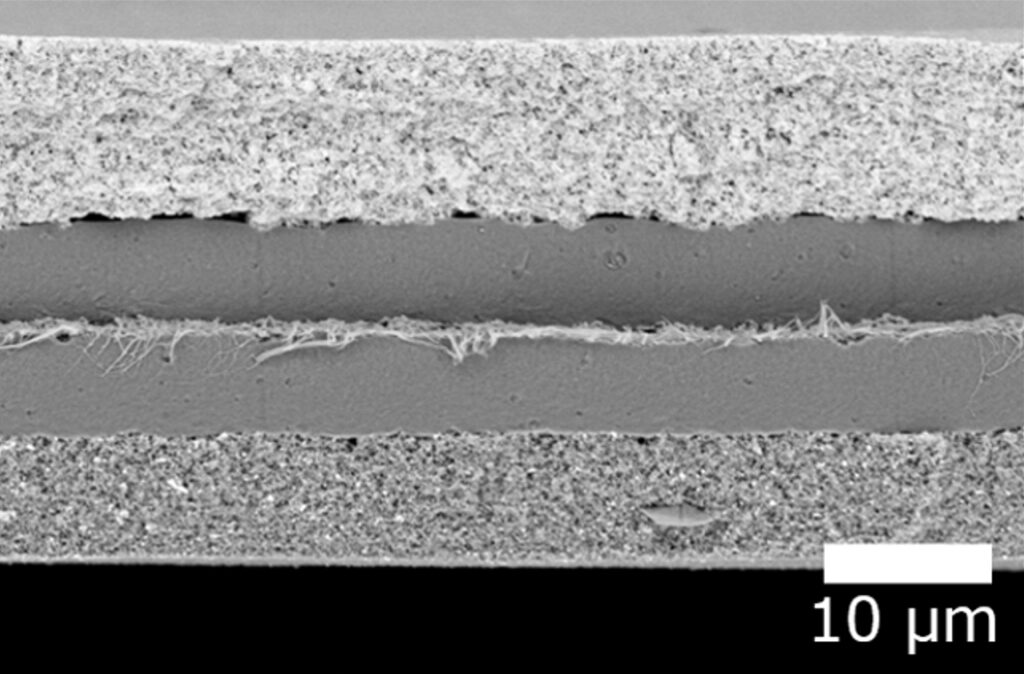
Design, production, tests: The production process for inserts and frames will initially be validated using a 25 cm² prototype. In-situ tests under extreme conditions will provide further insights into the weld seam behavior, performance and degradation behavior. Bipolar plates with an active area of up to 200 cm² and multiple inserts will then be manufactured and tested in the laboratory within a short stack.
MC LaserBIP thus addresses a key challenge in fuel cell development: overcoming existing size limits to achieve freely scalable bipolar plate formats. The prospects of increasing the efficiency of fuel cell component production and reducing costs at the same time are certainly good.