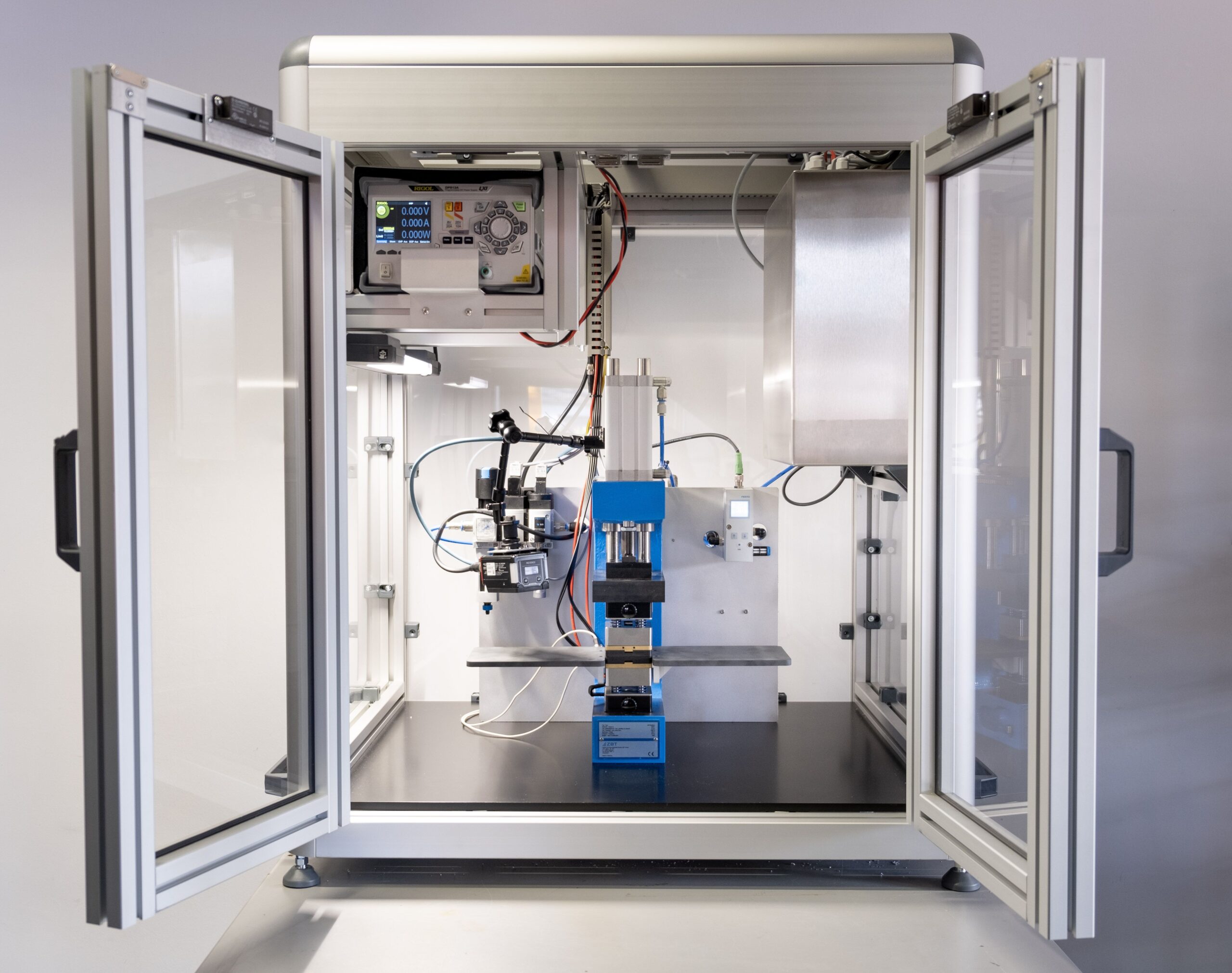
Quality control of bipolar plates using the BePPel test bench

New DIN 4880 – Measuring Resistance on Bipolar Plates in Accordance with the Standard

The “Measurement Method for Determining the Electrical Contact Resistance of Bipolar Plates,” developed by ZBT and its partners, is now described in the new DIN standard 4880.

The electrical resistance of bipolar plates for fuel cells and electrolysers is a key aspect of quality assurance in the development and mass production of such plates. To measure this resistance precisely and reliably, the ZBT, together with its partners, has developed a standardised measurement procedure and a corresponding measuring device. The measurement specification has since been incorporated into DIN 4880, which was published in May 2026.

The “Test Method for Determining the Electrical Contact Resistance of Bipolar Plates” (BePPel Method) has been used successfully for several years. The corresponding test benches developed by ZBT monitor the quality of bipolar plates both at ZBT during development and at manufacturers during series production. The new standard now describes the method in detail to ensure its correct application and the comparability of results.

In-Process Quality Control of Bipolar Plates

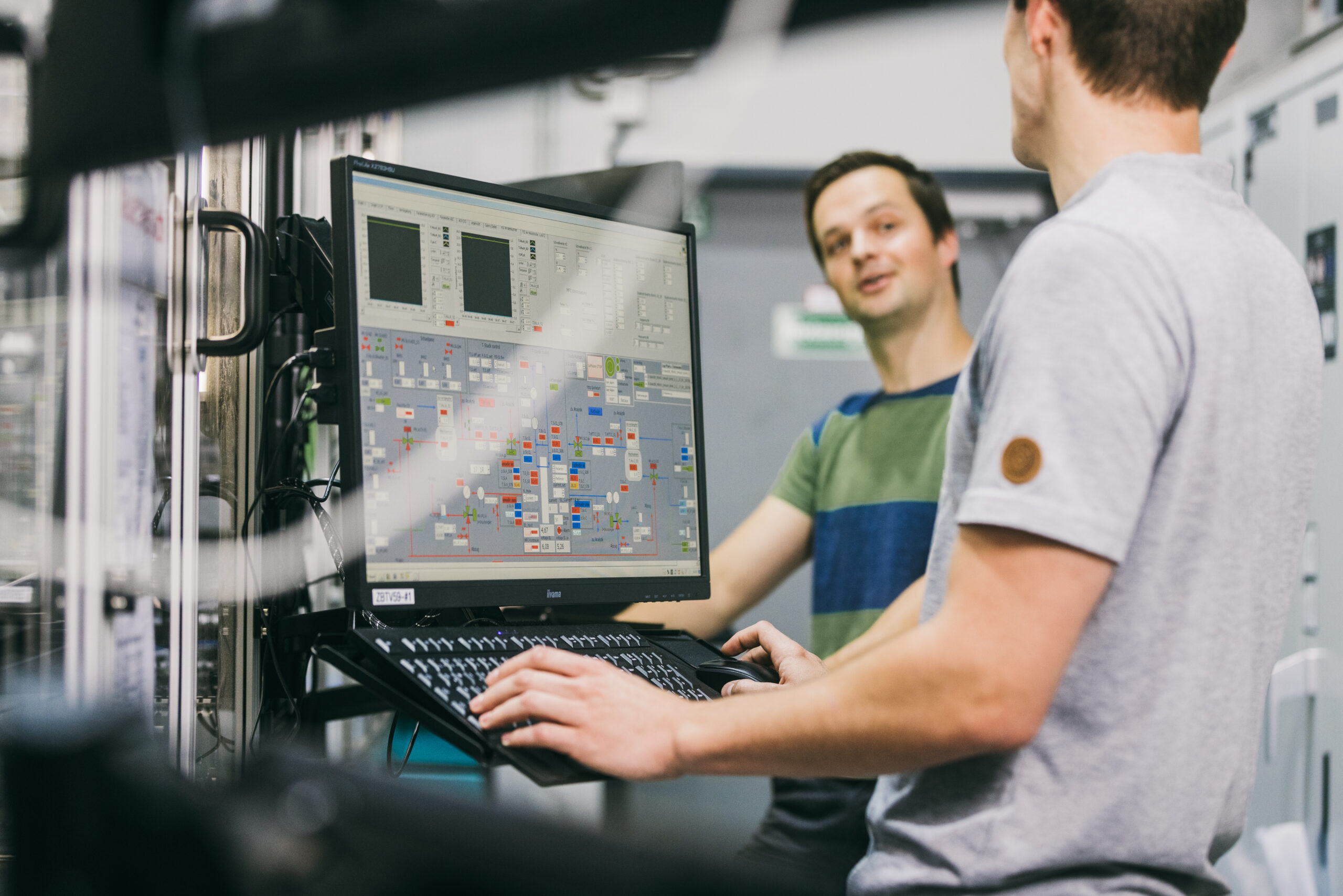
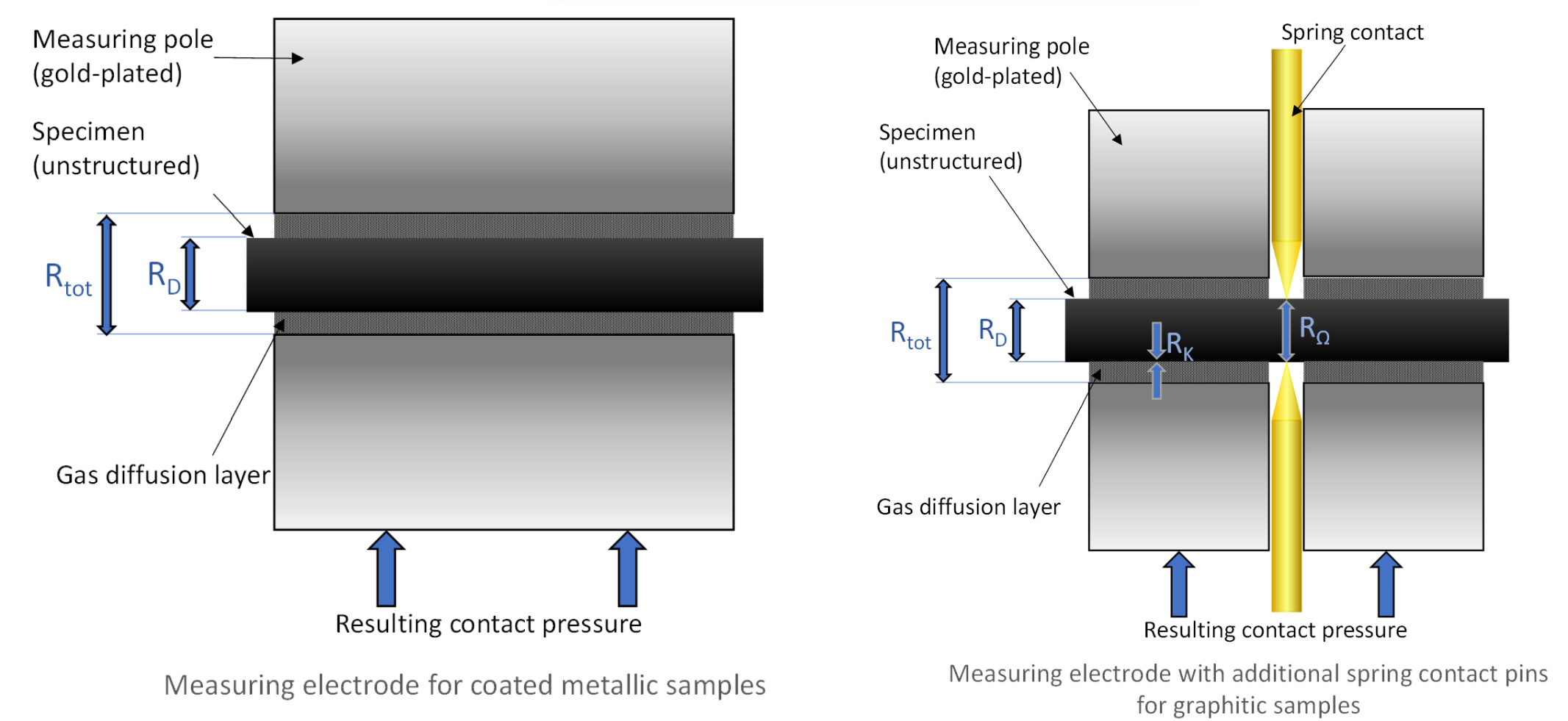
In the BePPel method, the electrical through-plane resistance of bipolar plates is determined using a four-wire measurement that simulates real-world cell conditions. Current is applied across the surface via measuring electrodes coated with gas diffusion layers, and the voltage drop is recorded via sense lines. The measurements can be performed at variable contact pressures.

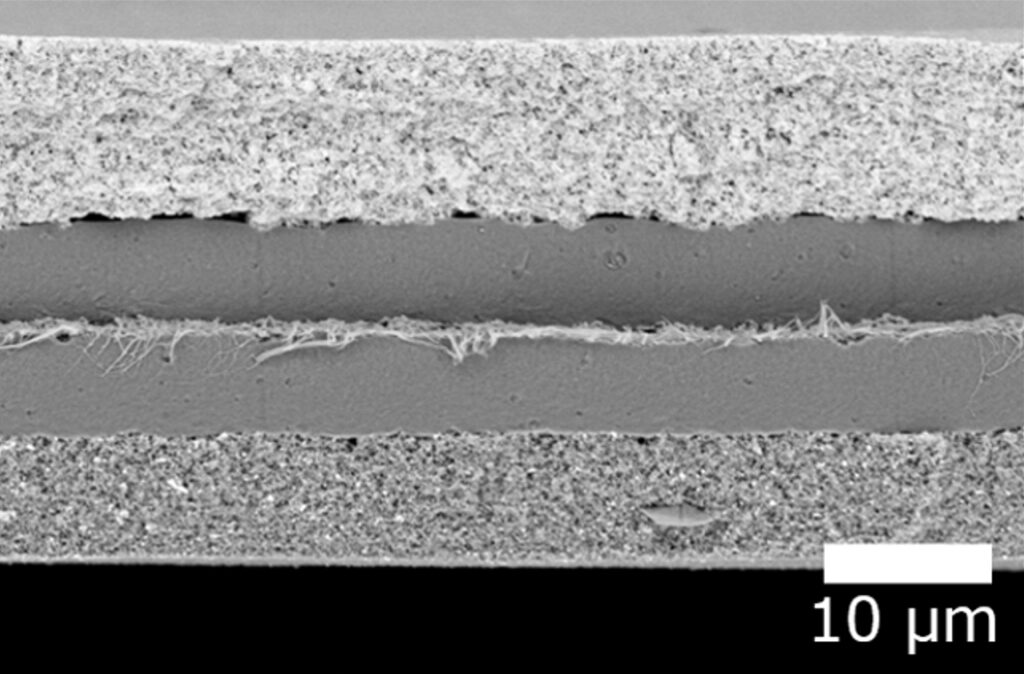
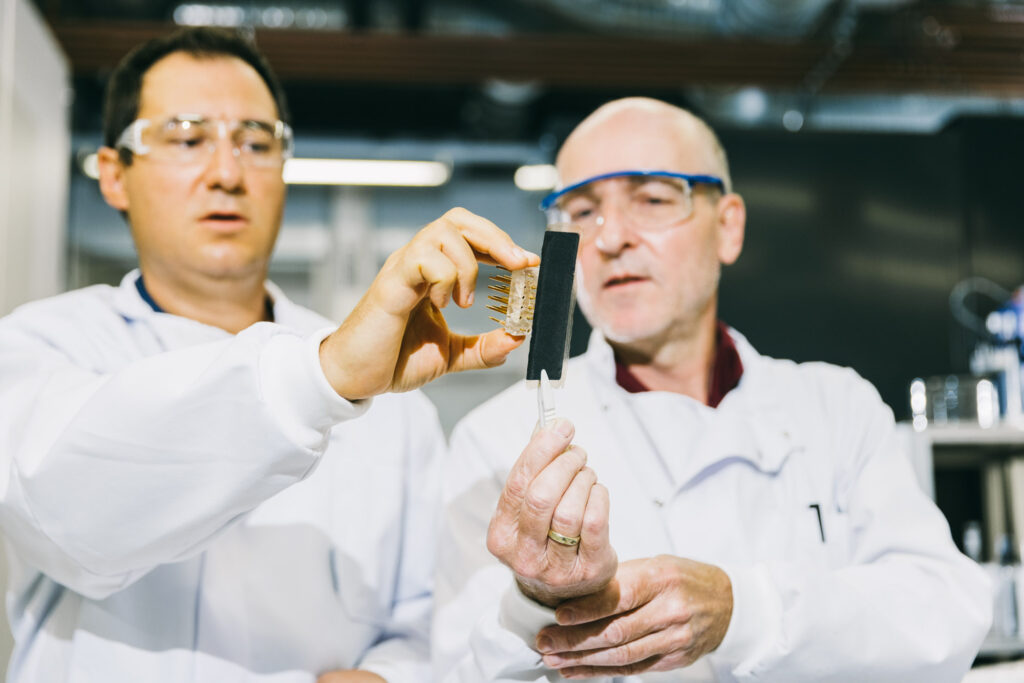
This method allows for non-destructive measurement of both coated metallic bipolar plates and compound-based bipolar plates. For measurements on compound-based bipolar plates, a probe head with additional current-free spring-contact pins can be used to record an additional voltage drop across the sample — without contact resistance — and thus determine the pure material resistance.

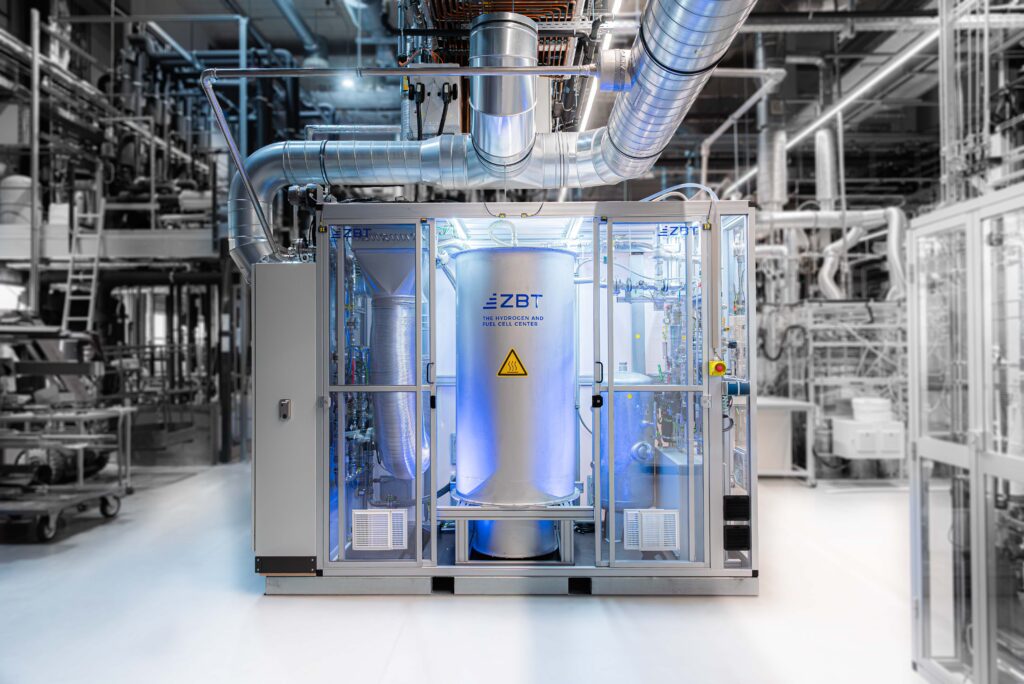
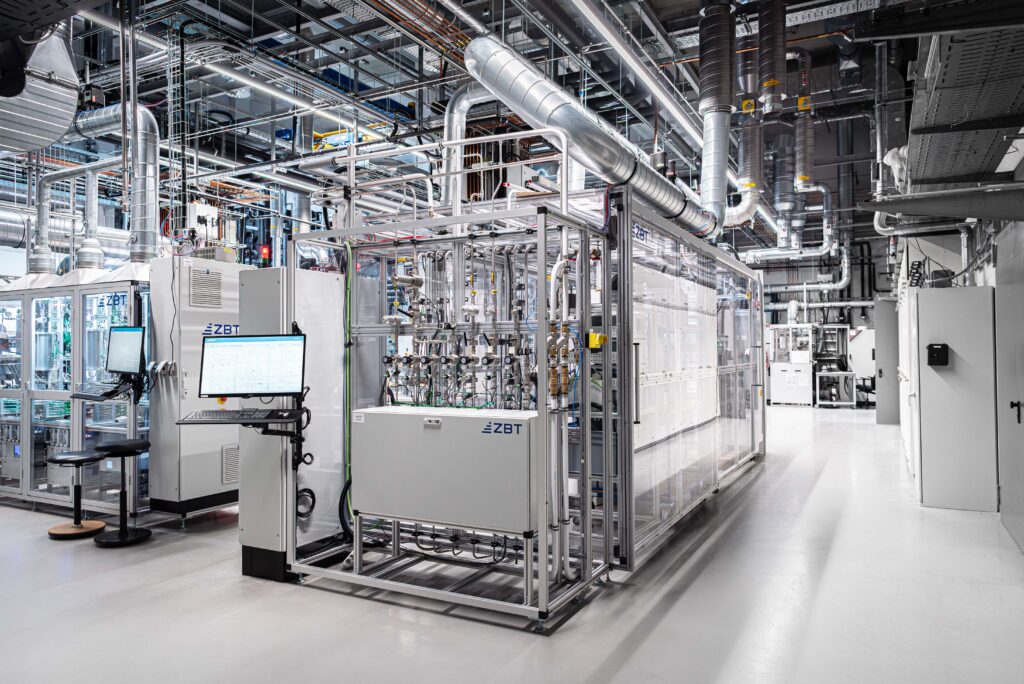
Test bench for industrial bipolar plate production

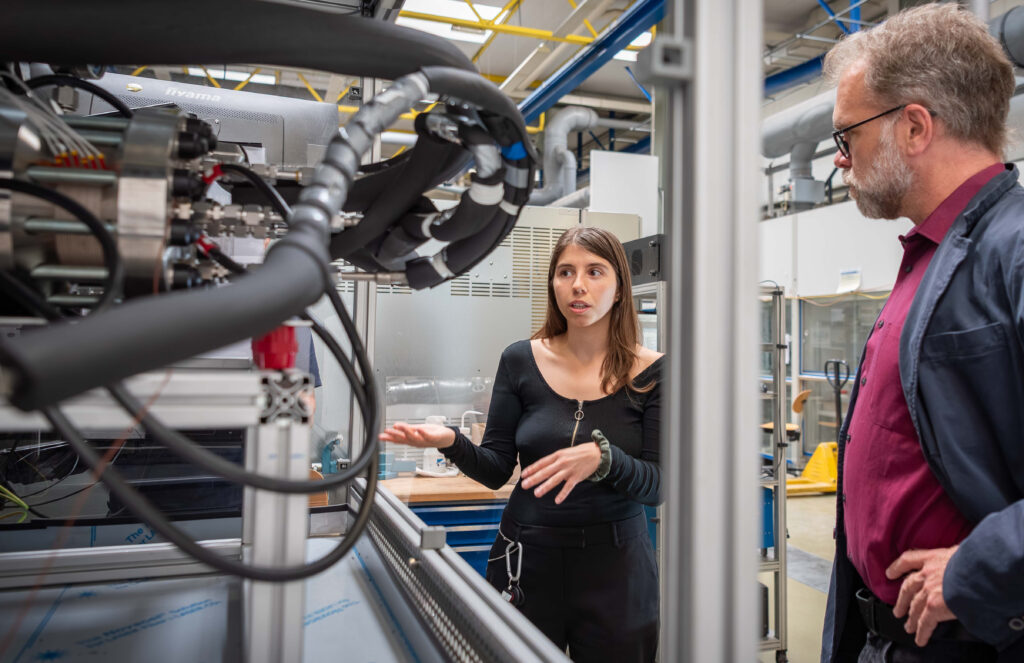
After the project was completed at the ZBT, the BePPel test device was further developed with a view to industrial applications. It allows measurement routines to be performed automatically in a very short time using various contact pressures and current densities. With maximum contact area between the bipolar plate and the measuring electrode or GDL, contact pressures of up to 40 bar and current densities of up to 5 A/cm² at a current of 20 A can be applied.

The CE-certified measuring device is already being used by bipolar plate manufacturers as part of their production processes. The BePPel measuring device is manufactured and distributed exclusively by ZBT. Over the past few years, several of these measuring devices have been delivered to industry partners and customers throughout Europe.

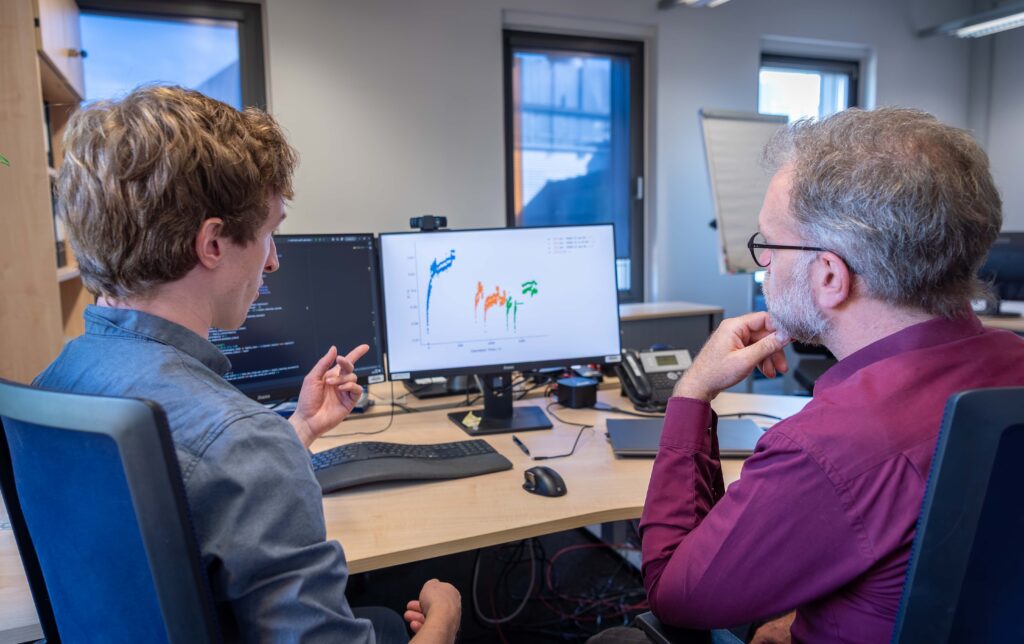
We, too, utilise one of these resistance measurement stations in our current R&D projects for the characterisation of bipolar plates and GDL materials, and we provide measurement services on behalf of our customers.

Portrait of a bearded man wearing a suit, shirt, and tie, with his arms crossed
Dr. Marco Grundler will be happy to answer any questions you may have about the device and our services.

Standard for Determining the Electrical Contact Resistance on Bipolar Plates

Over the past few years, we have worked with Schaeffler AG and the DLR Institute of Technical Thermodynamics to develop the measurement method into a standard, which has now been published as DIN 4880 (ICS 17.220.20, 27.070).


We know that our researchers, Dr. Marco Grundler and Paul Stannek, have put a great deal of work and energy into this standardisation project. We would like to extend our sincere thanks to them, as well as to Ali Kenanoglu from Schaeffler, Nadine Pilinski from DLR, Clemens Judersleben, the project manager of the DIN Standards Committee on Materials Testing, and the entire DIN committee for their tremendous dedication!

Order DIN 4880 here

The BePPel measurement method is a collaborative development

The measurement method was developed as part of the research project “NIP II Collaborative Project – BePPel: Bipolar Plates for Fuel Cells and Electrolyzers (03B11002),” which ran from 2017 to 2020. The participants at that time were:

The project was funded by the Federal Ministry of Transportation.

Two people are operating a test bench in a laboratory

Our Latest Projects