Workshop review: Bipolar plates for the market ramp-up of fuel cells

Manufacturers of graphite bipolar plates will have to invest massively in production capacity in the near future. At the same time, the requirements for bipolar plates vary greatly depending on the user. Cost structures and technical target parameters were discussed at the VDMA workshop at the ZBT.

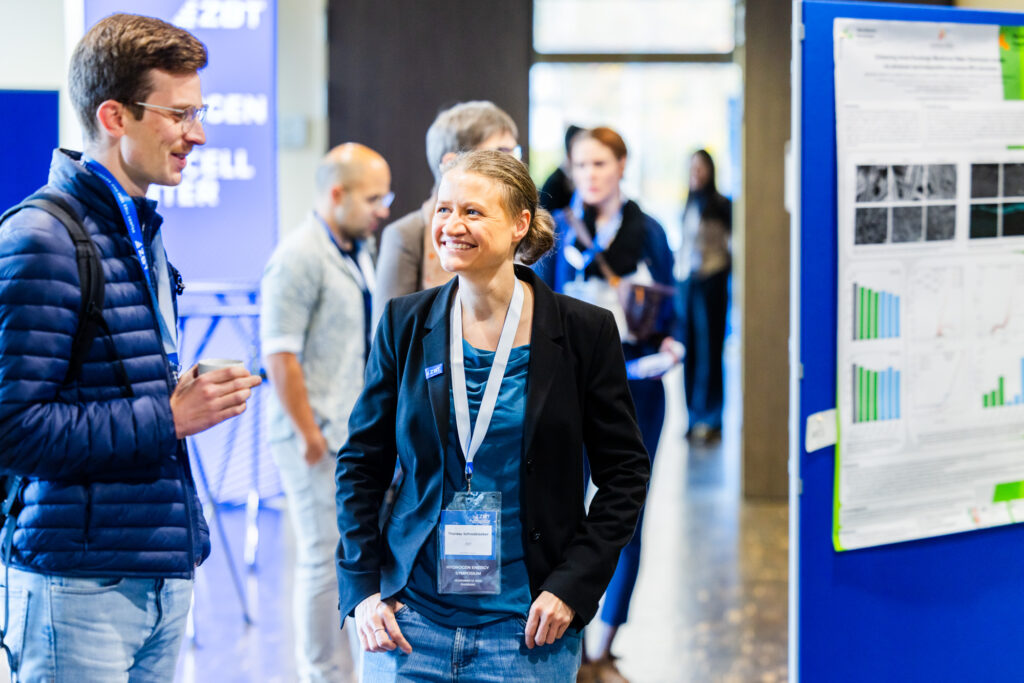
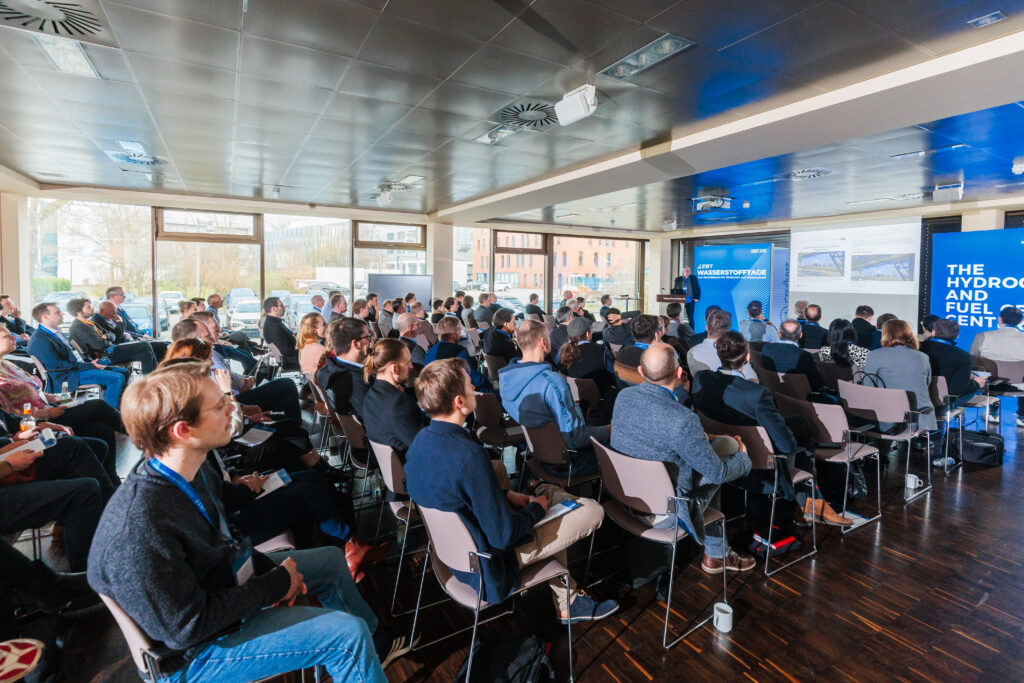
Around 50 participants from various industries discussed current and future challenges at the latest workshop “Cost structures and technical target parameters of graphitic bipolar plates” held by the VDMA Fuel Cells Working Group at the ZBT – The Hydrogen and Fuel Cell Center in Duisburg: For the upcoming market ramp-up of fuel cells, manufacturers of graphitic bipolar plates will have to invest considerably in production capacities. At the same time, however, the requirements for bipolar plates vary greatly depending on the user and the associated test methods are not all standardized.
Dr. Marco Grundler, Group Leader Compound Technology at ZBT, introduced the event of the “GO-Start BZ” innovation cluster. He spoke about DOE targets for graphitic bipolar plates and materials as well as innovative manufacturing and measurement methods.

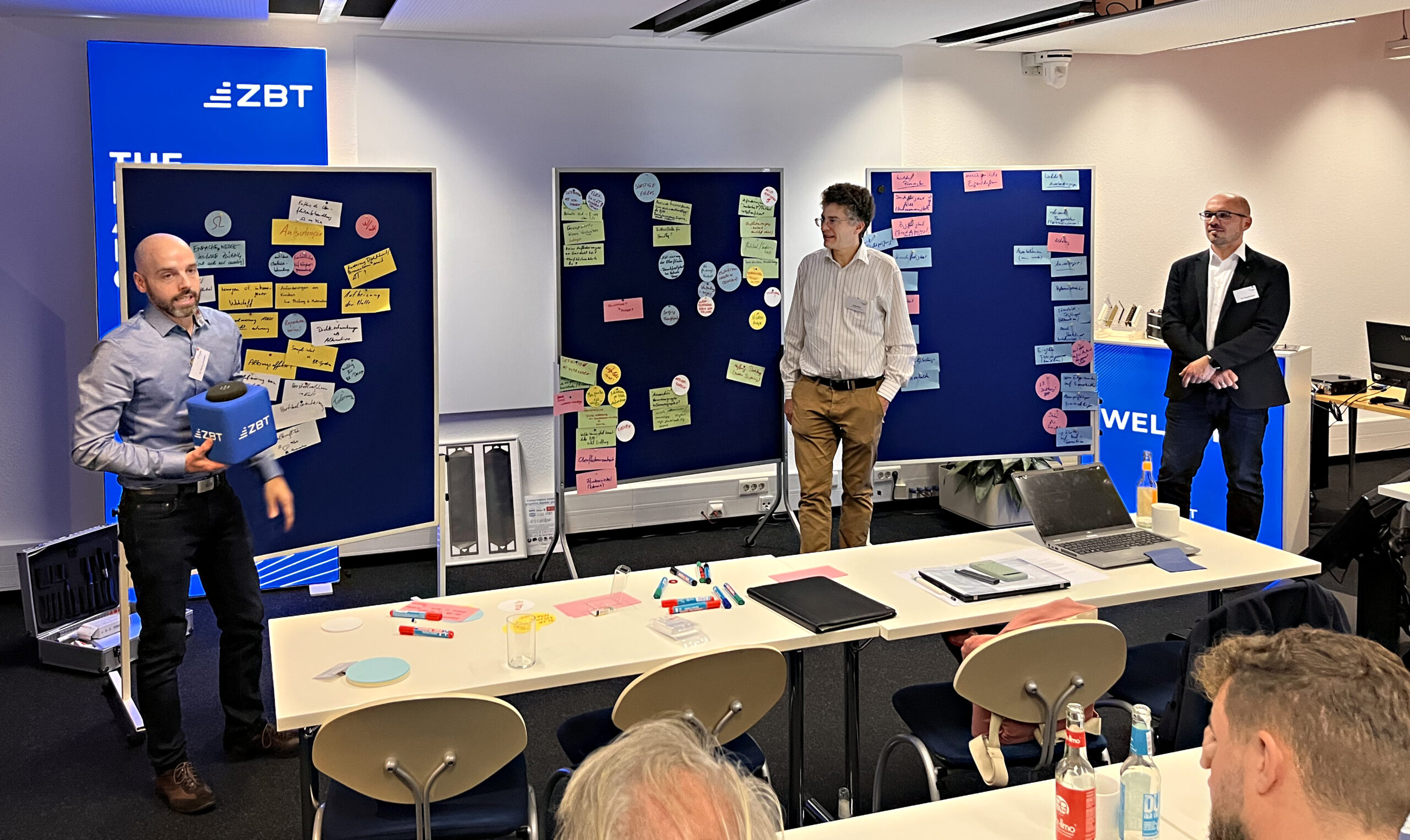
Speakers from the companies Proton Motor, Freudenberg e-Power Systems, Eisenhuth, Schunk Kohlenstofftechnik, ENSINGER, SGL CARBON, Matthews Engineering & Saueressig Group and IAG Industrie Automatisierungsgesellschaft gave short presentations to stimulate intensive discussions and a good exchange of ideas. In small groups, the participants dealt with important detailed questions and presented their results in plenary sessions.

Participants and speakers made valuable contacts, took away lots of new information and suggestions and ended the day in a relaxed atmosphere in Duisburg’s lively inner harbor.

The workshop was held as part of the publicly funded “GO-Start BZ” project of the Fuel Cells Working Group. This project is funded by the Federal Ministry for Digital and Transport Affairs as part of the National Innovation Program Hydrogen and Fuel Cell Technology Phase 2 (NIP II). The next workshop in this series is already being planned.

VDMA
more about NIP II

Media

The results of the group work provided plenty to talk about. The results of the group work provided plenty to talk about.
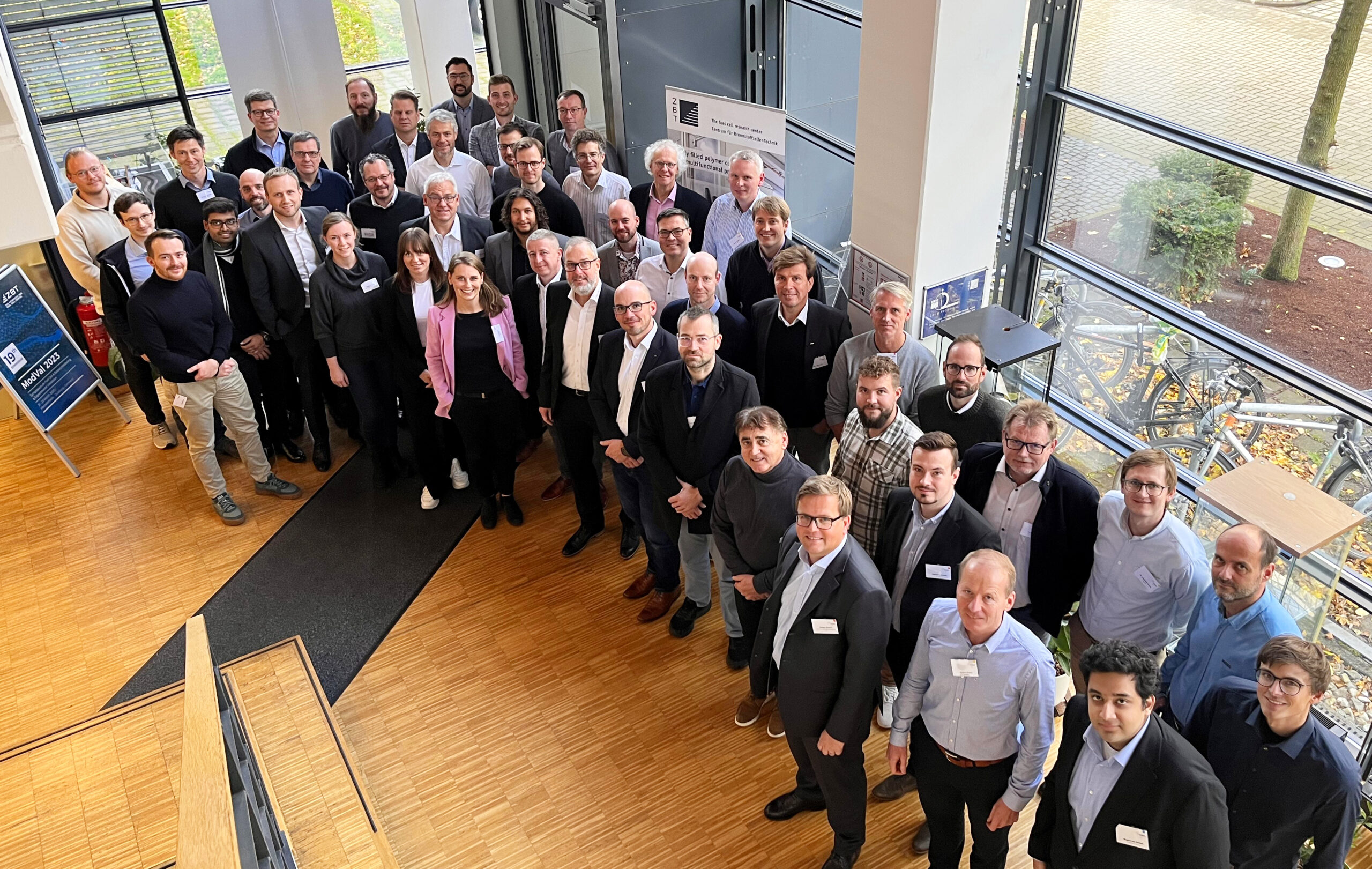
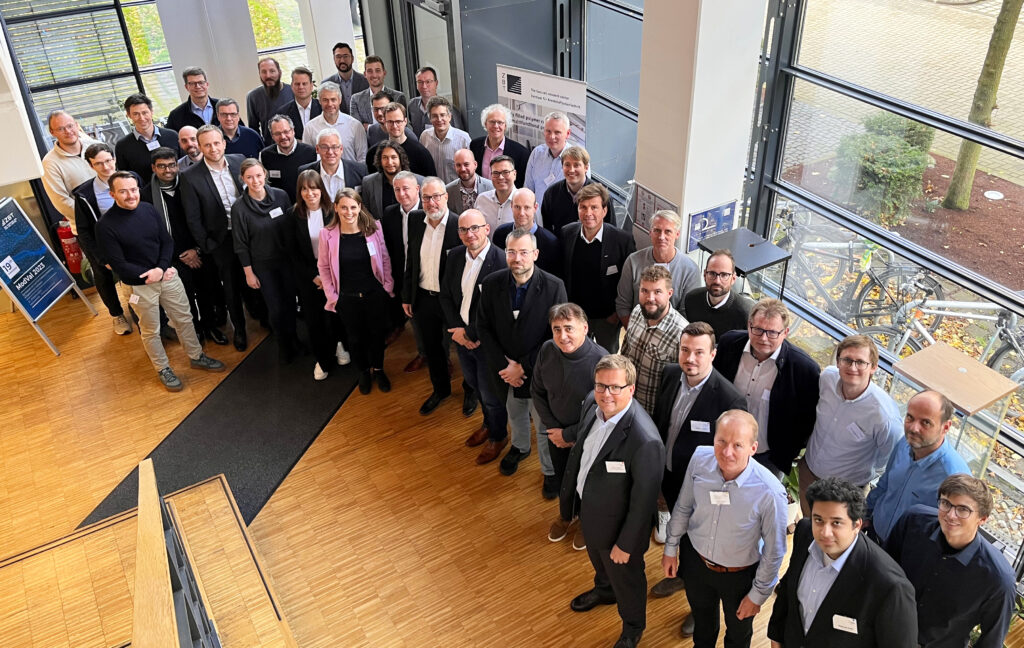
Around 50 participants gathered at the ZBT to discuss issues relating to the ramp-up of bipolar plate production. Around 50 participants gathered at the ZBT to discuss issues relating to the ramp-up of bipolar plate production.
Further events