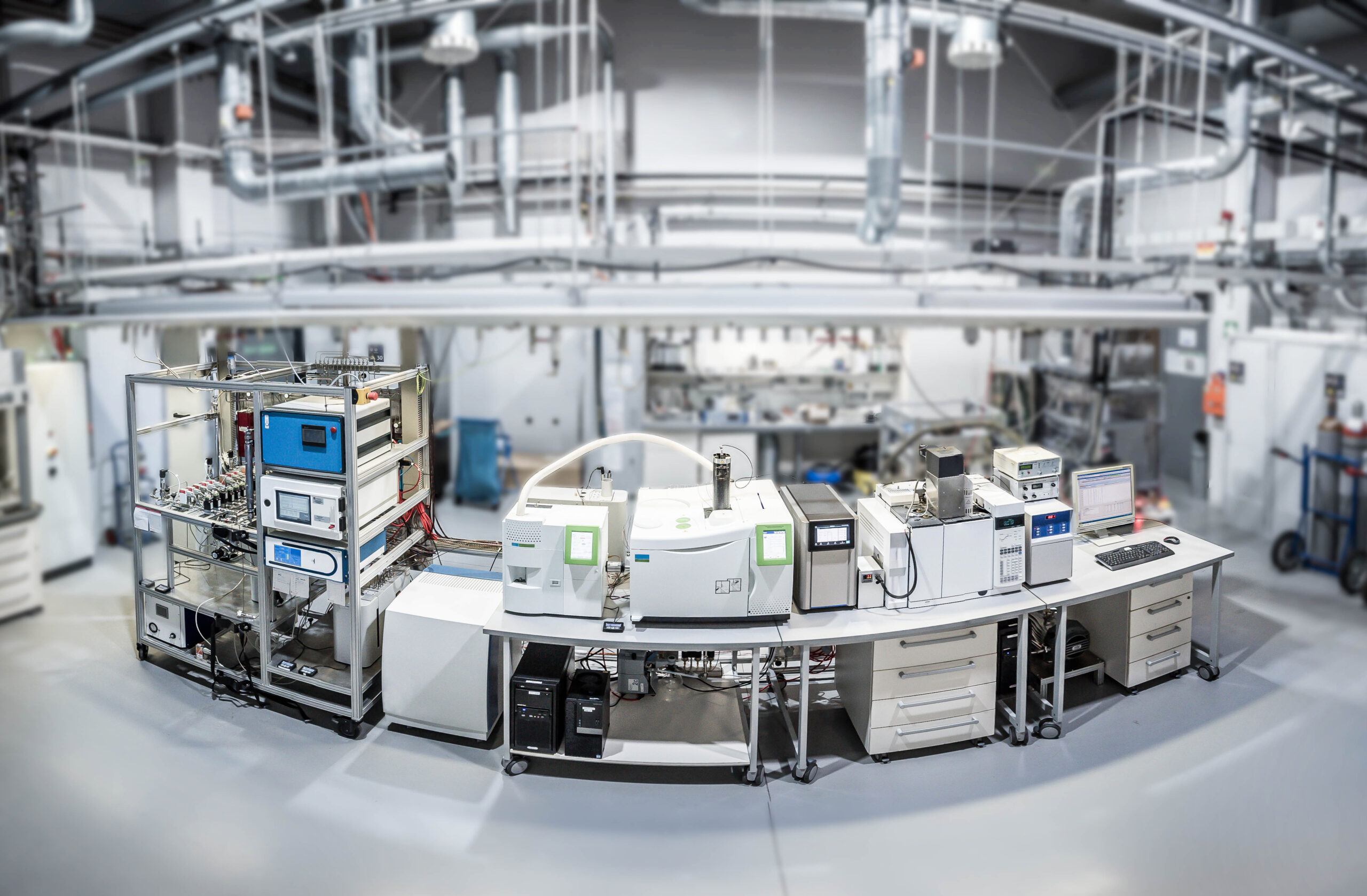
A view inside the Hy-Lab hydrogen quality laboratory at the ZBT, with numerous analytical instruments on the tables

It won’t work without hydrogen – our takeaways from this year’s Hydrogen Summit

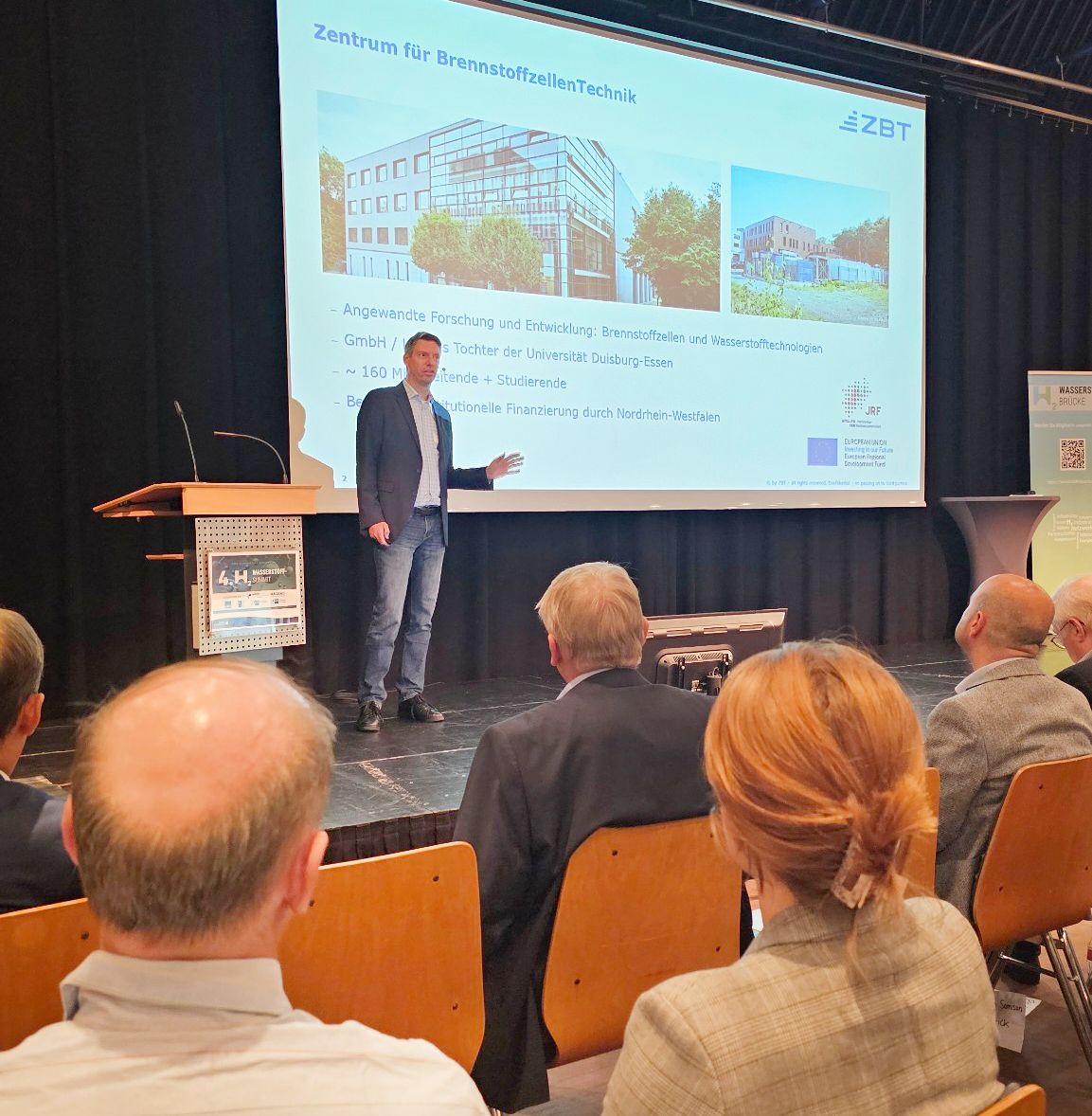
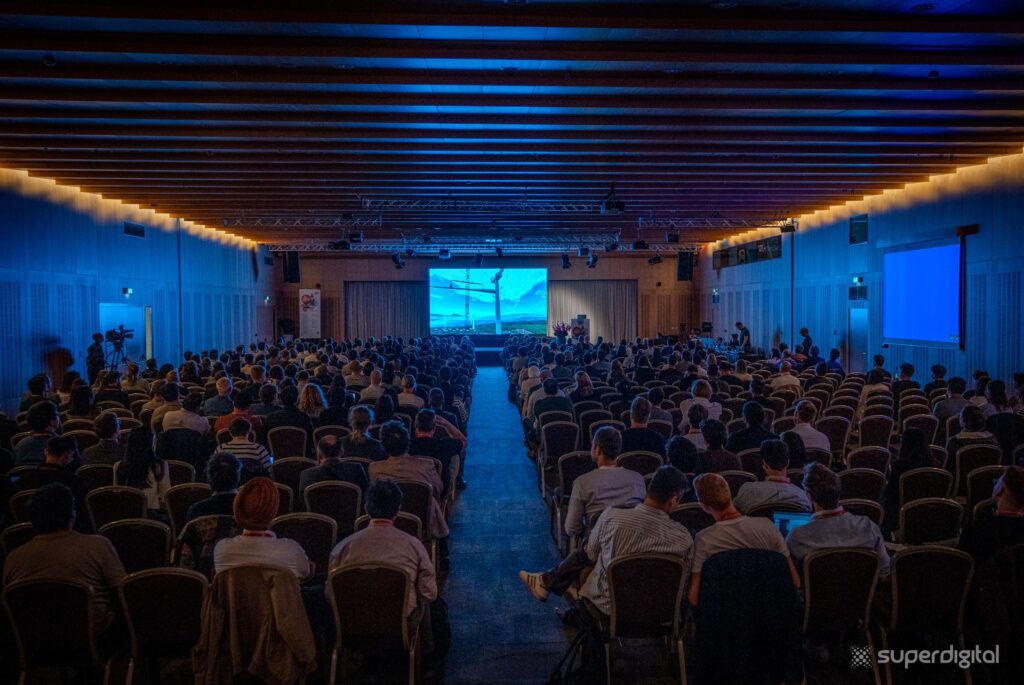
At the Hydrogen Summit in Ennepetal, experts and decision-makers from the fields of business, science, administration and politics came together to discuss, exchange information and network. Three ZBT employees attended and brought back information and insights.

Project engineer Lutz Volmering is more convinced than ever: “Without hydrogen, decarbonization will not work either in mobility or in energy-intensive industry – even if it is still unclear where all the hydrogen will come from in the future.” He agrees with the assessment of the experts present that we will probably manage with an import quota of around 80% in Germany. For NRW, the quota could even be 90 percent.


Dr. Ulrich Misz was particularly concerned about the cost of hydrogen. The head of the Fuel Cell Systems department at ZBT had the impression that, on the one hand, prices would be too high and, on the other, there would be a lack of connection options to the hydrogen core network.


“We also urgently need hydrogen as a storage medium,” Misz heard in Ennepetal. If natural gas runs out at some point, Germany will definitely need long-term storage for several weeks to months. The required amount of energy cannot be stored with batteries.
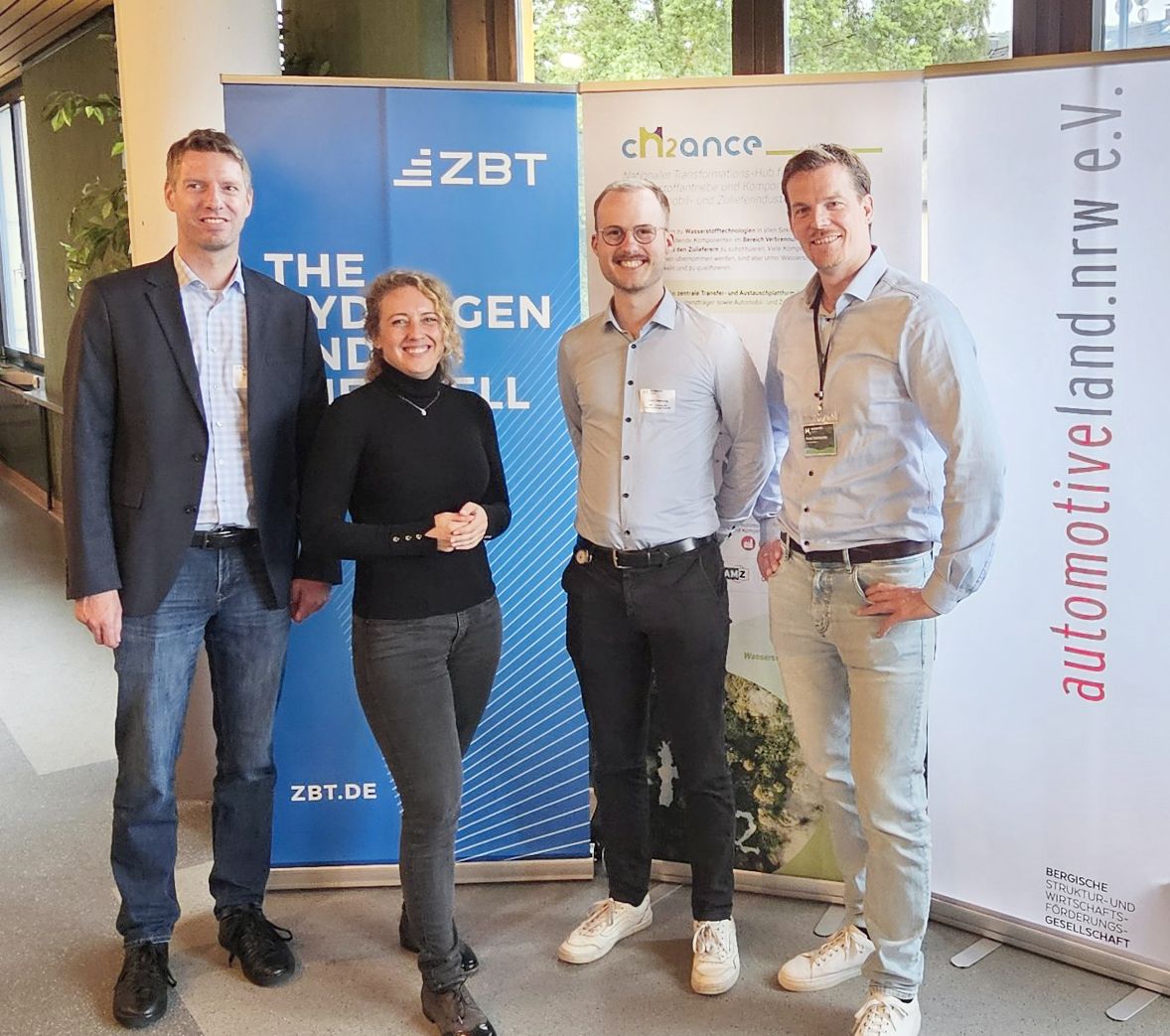
Four people are standing in front of three banners at the event: Hydrogen Summit 2024.

And still a major topic: hydrogen in mobility. “There is a consensus among the participants at the Hydrogen Summit that heavy goods transport cannot be realised exclusively with battery-powered electricity,” reports the scientist. The charging infrastructure for the high number of vehicles is not physically feasible. “We also need an H2 infrastructure with fast refueling times and the longer ranges of the vehicles,” says Misz, reflecting the assessment of the participants at the summit. “And I am also convinced of this, by the way.”


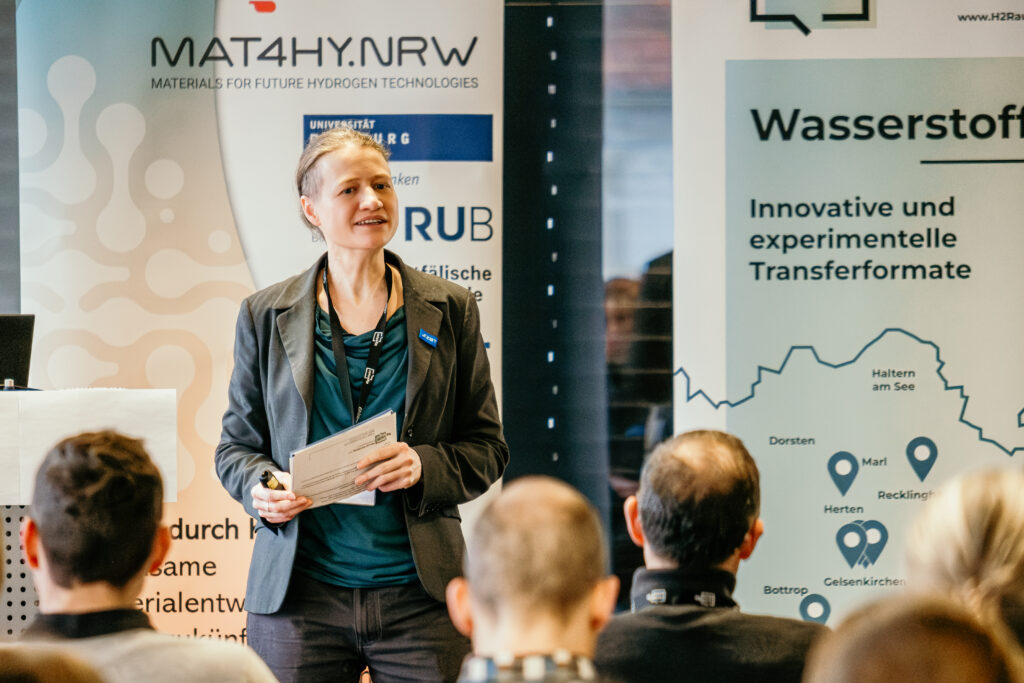
ZBT scientist Deborah Rapp was also on site and sees this as confirmation of her view that the energy transition must be considered together with batteries and hydrogen: “We are taking the wrong path in the discussion with an either-or approach.” According to Rapp, the technology works, but a lot still needs to happen in economic and regulatory terms.

Presentation based on a ZBT presentation at the Hydrogen Summit 2024.