HyQualityLab4NRW – Laboratory for AI-supported quality control and quality assurance in H2 research

In order to support science and industry in North Rhine-Westphalia in application-oriented research and development in the field of hydrogen technologies, a high-performance AI-supported materials analysis laboratory is being set up at the ZBT with the “HyQualityLab4NRW”.

Hydrogen as an energy carrier will play a central role in our future energy system and, above all, contribute to the decarbonisation of processes that are difficult or impossible to electrify. The materials for the corresponding hydrogen technologies are being developed in North Rhine-Westphalia, among other places. In order to enable research institutions and industry in NRW to carry out comprehensive quality control of their products, an AI-supported materials analysis laboratory is being set up at the ZBT – The Hydrogen and Fuel Cell Center.

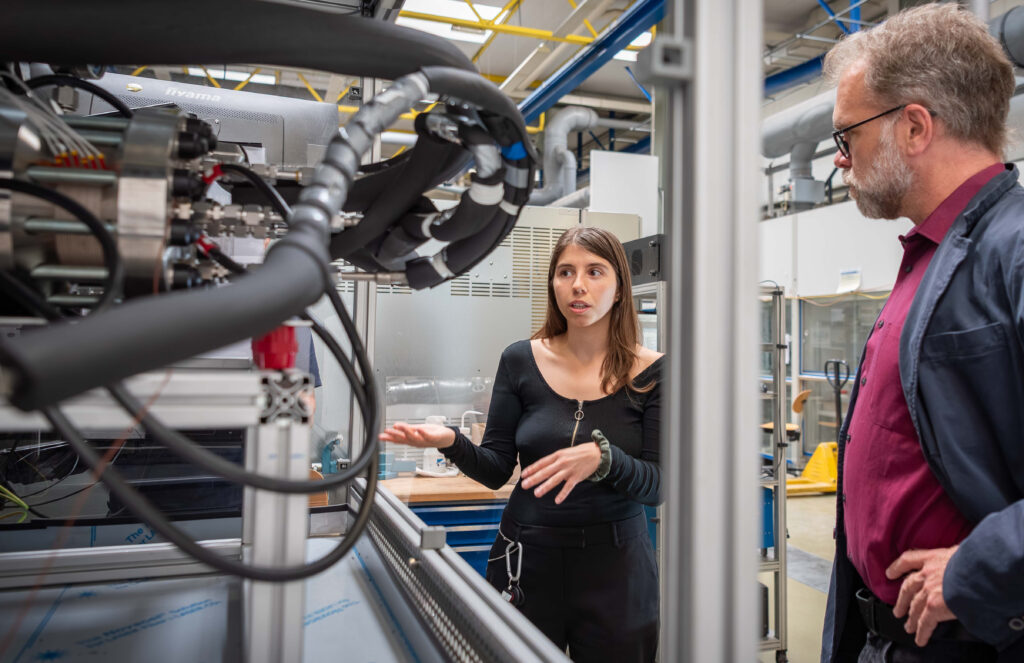
High-tech laboratory with people and machines

In the future “HyQualityLab4NRW”, experienced experts will verify and monitor the quality and suitability of source materials and components for H2-based energy conversion applications using state-of-the-art analysis methods. In addition to the ZBT, the project partners are Auretus GmbH from Duisburg and Direct Matter GmbH from Gelsenkirchen. The project is being funded as part of the ERDF/JTF program and is being implemented in Duisburg.

The HyQualityLab4NRW aims to close the existing gaps in the research infrastructure for stringent industry-relevant quality control and assurance. The new laboratory combines high-precision measurements, intelligent evaluation and optimized data provision. This will enable companies using the new infrastructure to further develop their value chains technically, economically and ecologically.

Numerous relevant measurement methods are already available at the ZBT. However, in order to provide companies and institutes with comprehensive options for testing and quality assurance of their products, including new, innovative technologies, it is necessary to expand the existing infrastructure to include particle/surface, gas and liquid analysis.

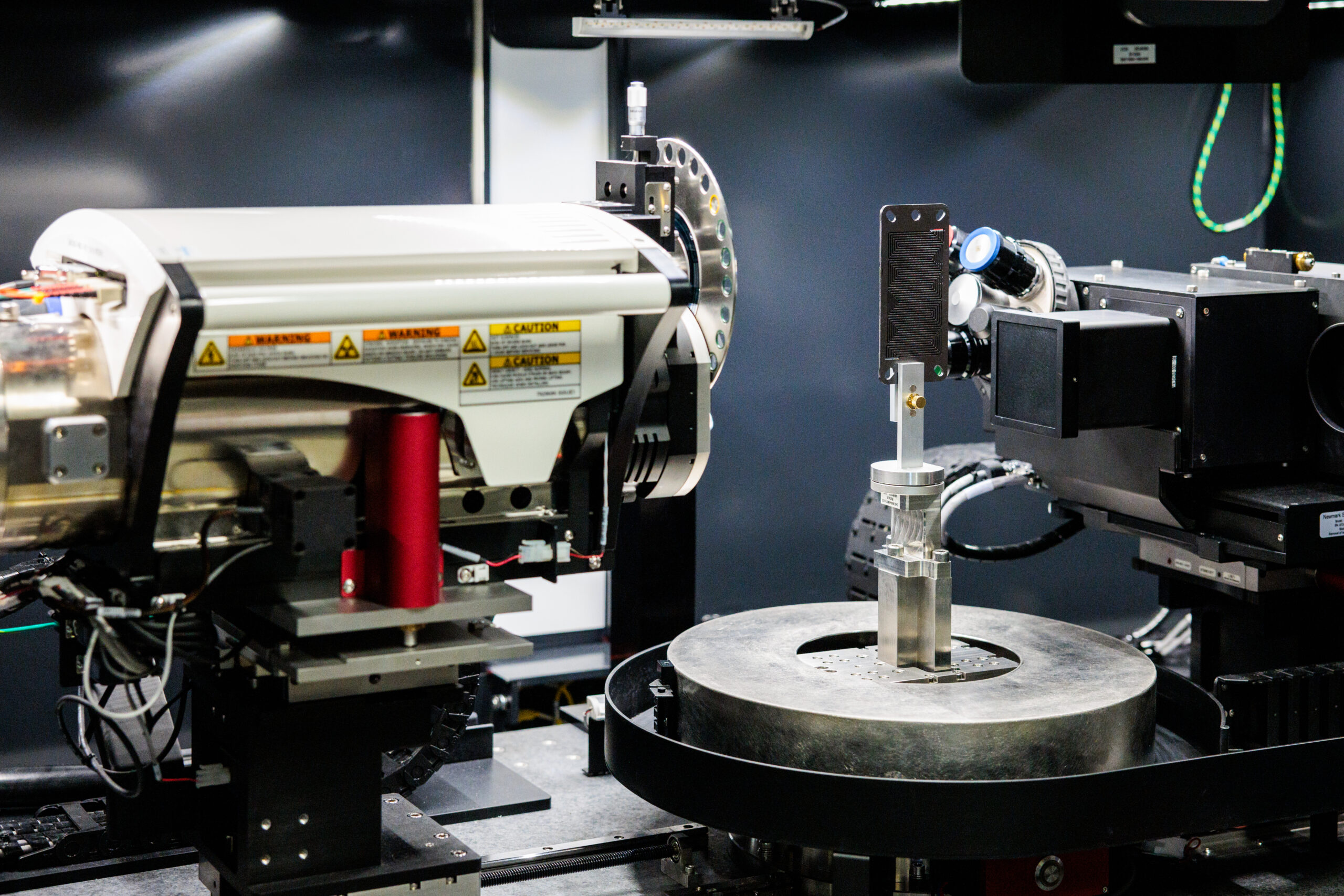
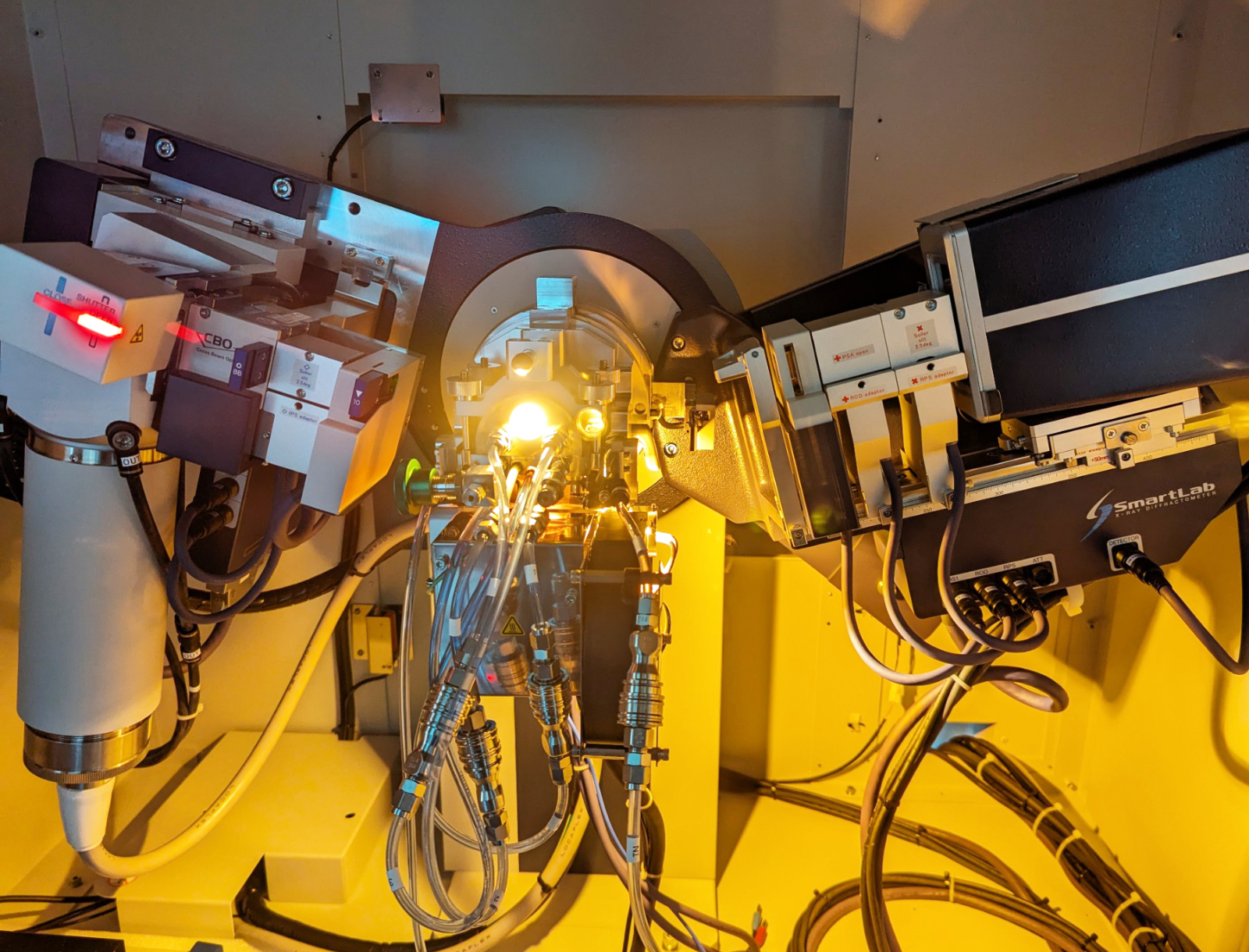
Röntgendiffraktometer

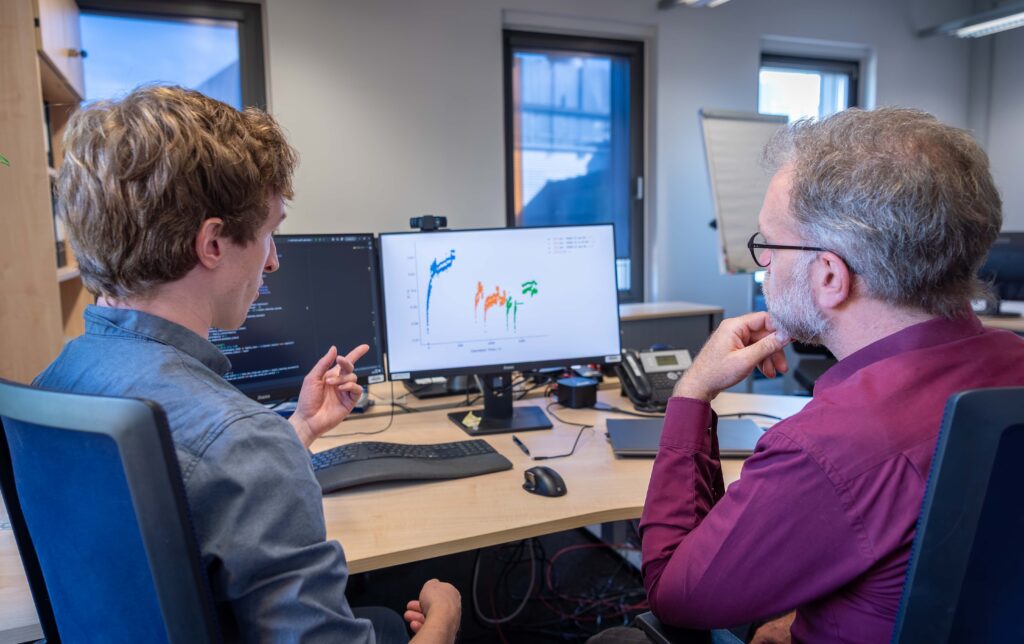
High-end analytics and AI-based evaluation

This expansion of analytical capacities is complemented by the linking of the measurement data obtained with AI-based evaluation and integration into a data management system. In combination with the ZBT’s many years of experience in the field of H2 research, this will result in a comprehensive and innovative system for thorough material qualification. The HyQualityLab4NRW will thus be an important and central point of contact for industry in the future, supporting the successful introduction of new technologies.

Until now, the data collected has been processed on individual computers and linked together. In future, a database-supported, automated and centralised system will take over this task. This will create a unique combination of an outstanding range of measurement technology, partner-related material libraries and databases and the expertise and experience in the specific electrochemical conversion technologies and H2 plant technologies available here. In this way, the results obtained can be optimally placed in the necessary context in the future.

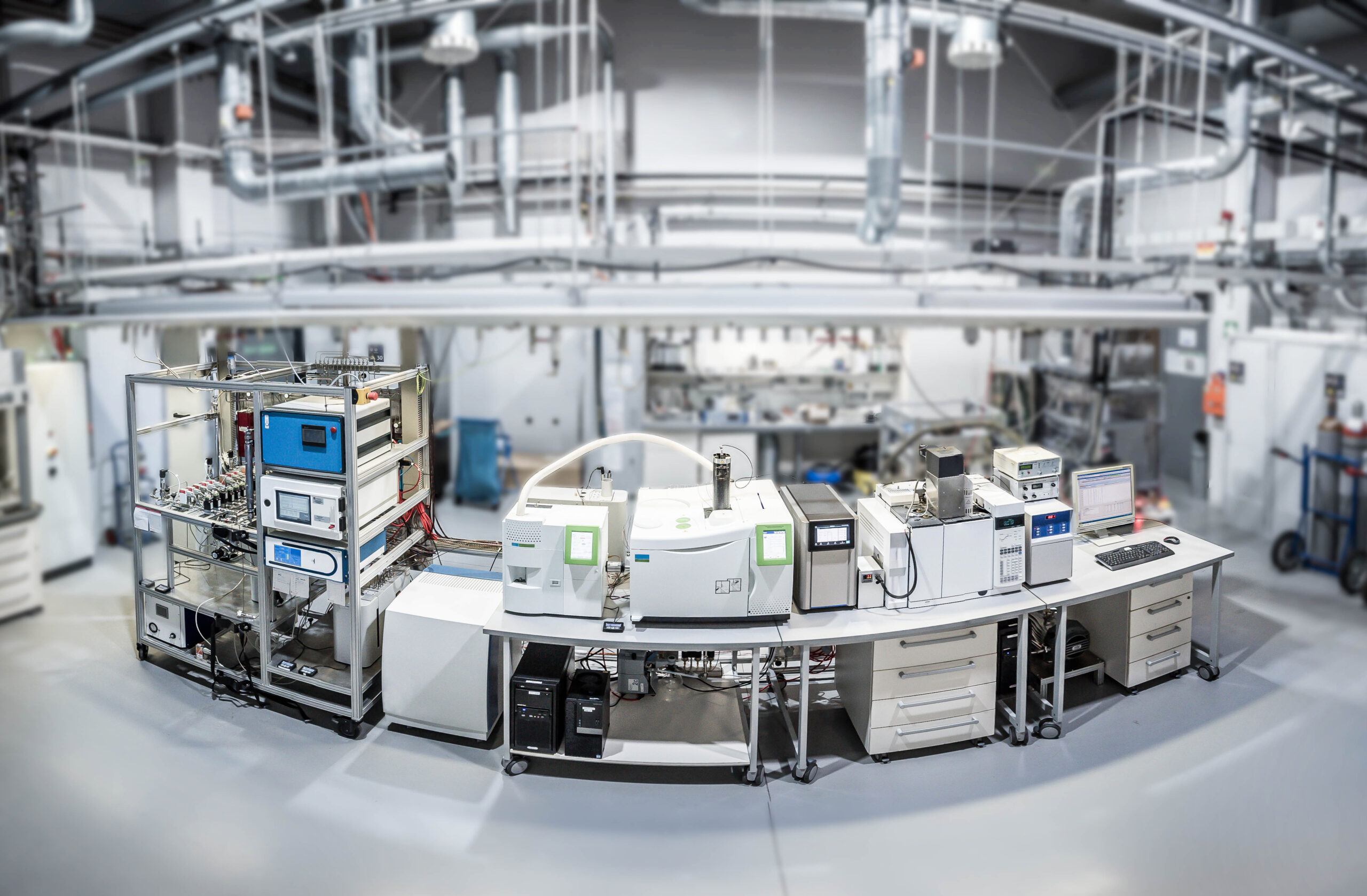
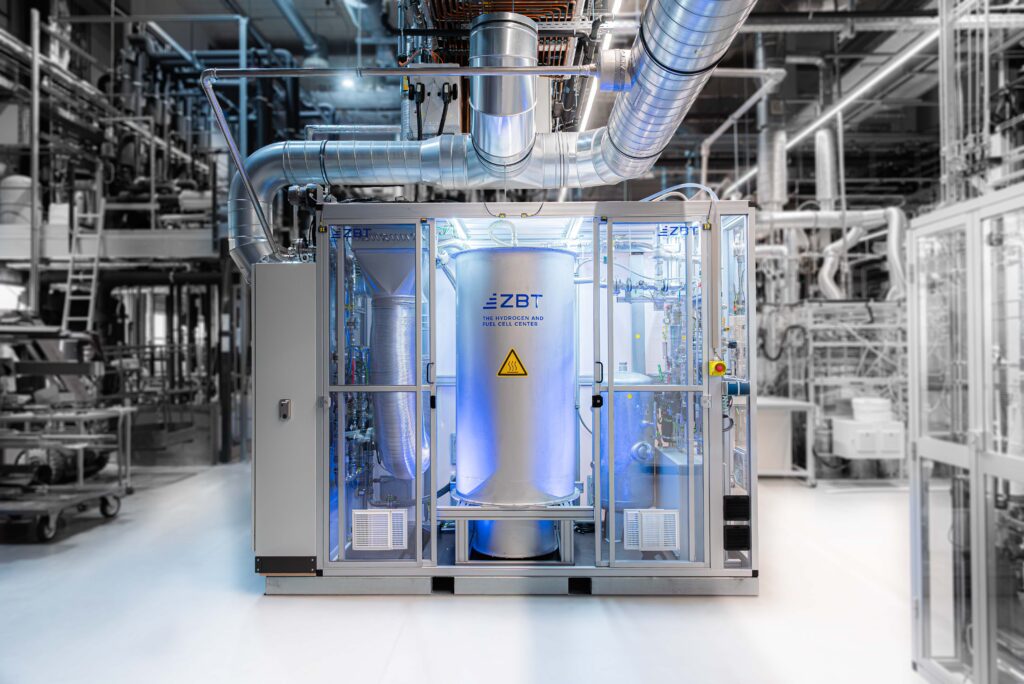
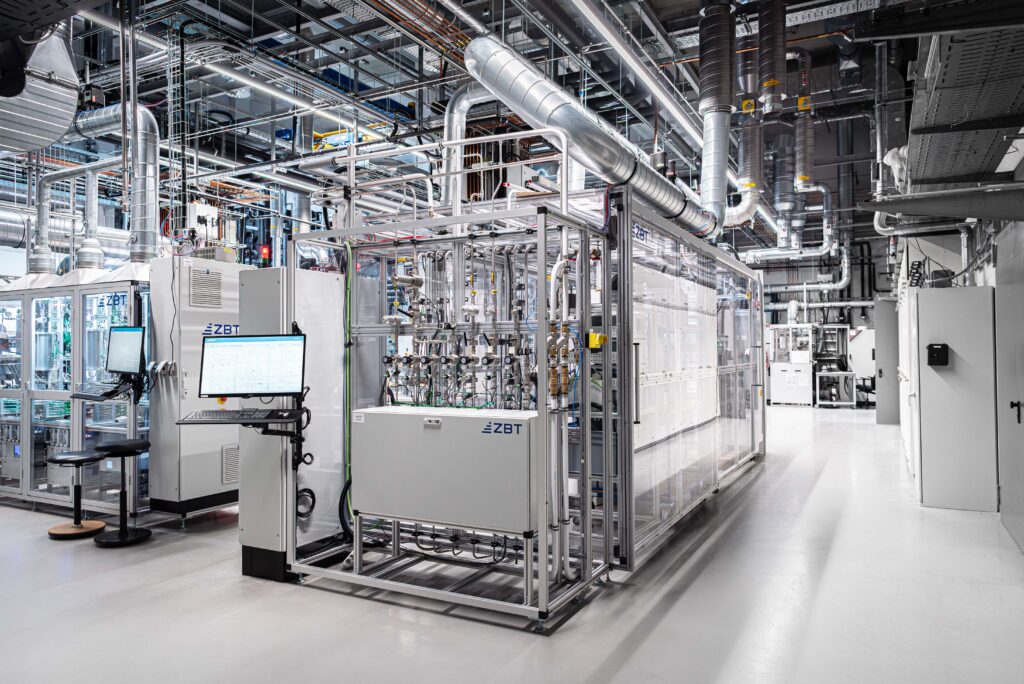
A view inside the Hy-Lab hydrogen quality laboratory at the ZBT, with numerous analytical instruments on the tables

Services of the new laboratory

The HyQualityLab will cover the following specific sub-tasks along the hydrogen technology value chain:

  • Characterisation and detailed determination of the particle properties of catalyst materials and layers for fuel and electrolysis cells – for further development and optimisation with regard to performance increase, long-term stability, resource conservation and cost reduction
  • Checking the quality and homogeneity of the composition of coatings on metallic components such as bipolar plates and H2 tank materials
  • Testing and long-term testing of the components with the aid of test protocols (AST) – for time-saving testing of the performance and service life of the catalyst layers and coatings on test cells and for analysing changes in long-term operation
  • Identification and assessment of gas impurities in hydrogen production, hydrogen applications and in rededicated gas pipelines
  • Accompanying gas analysis – for the qualification of detectors and sensors for hydrogen quality analysis
  • Identification and retention of harmful contaminants in product water (PFAS, traces of precious metals)
  • Analysis and evaluation of required water qualities for electrolysis processes
  • Removal of harmful impurities from liquids
  • Intelligent data analysis and accessible data storage via the creation of databases and material/defect/damage libraries (for online monitoring)

Infrastructure for hydrogen research

With the HyQualityLab4NRW, we are working with our project partners to establish an internationally outstanding research infrastructure for quality control and quality assurance in the field of hydrogen research. In this way, we are supporting companies in the region and beyond in developing and optimizing future hydrogen technologies to the necessary maturity – to ensure innovative strength and technological leadership.

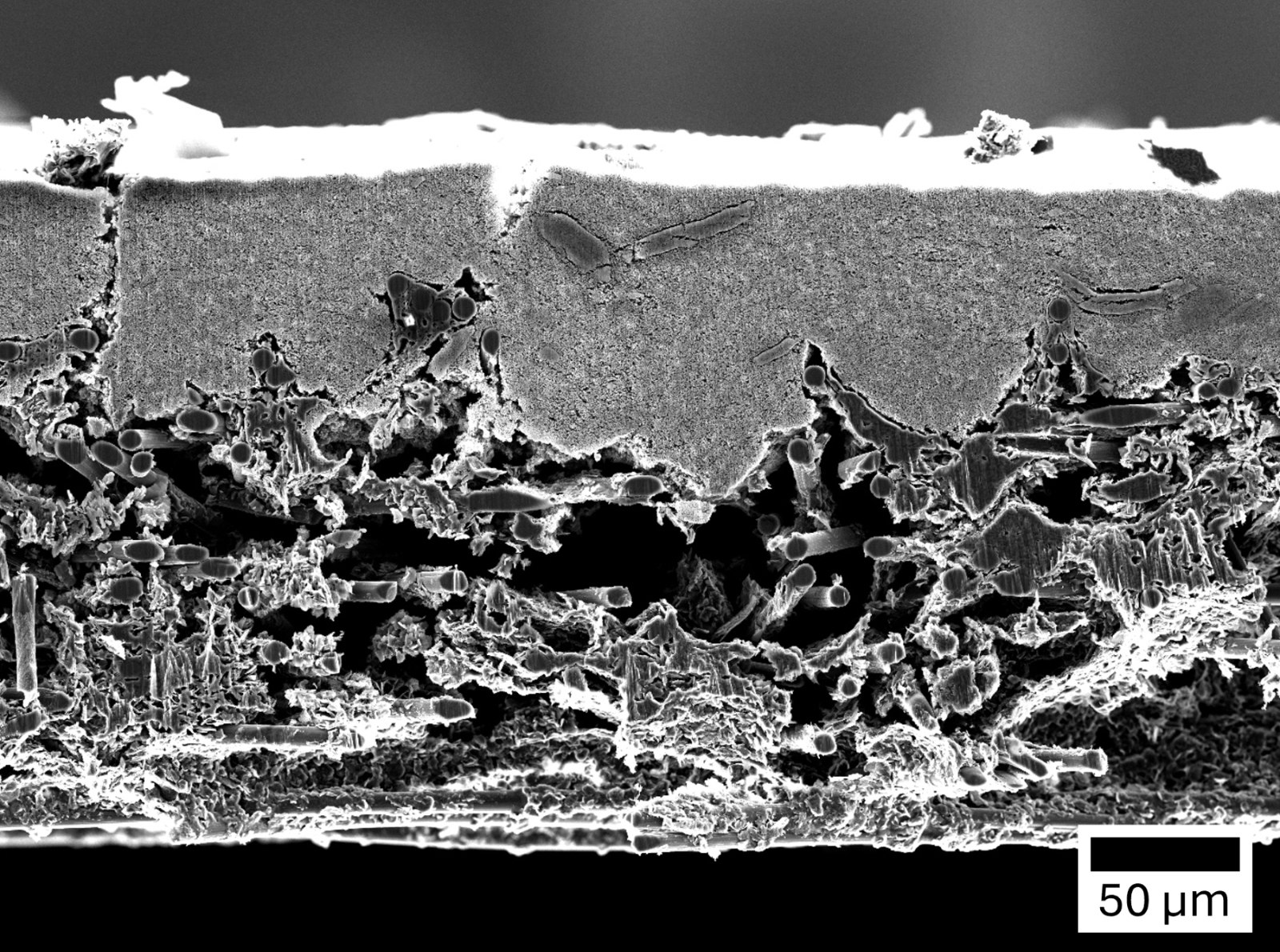
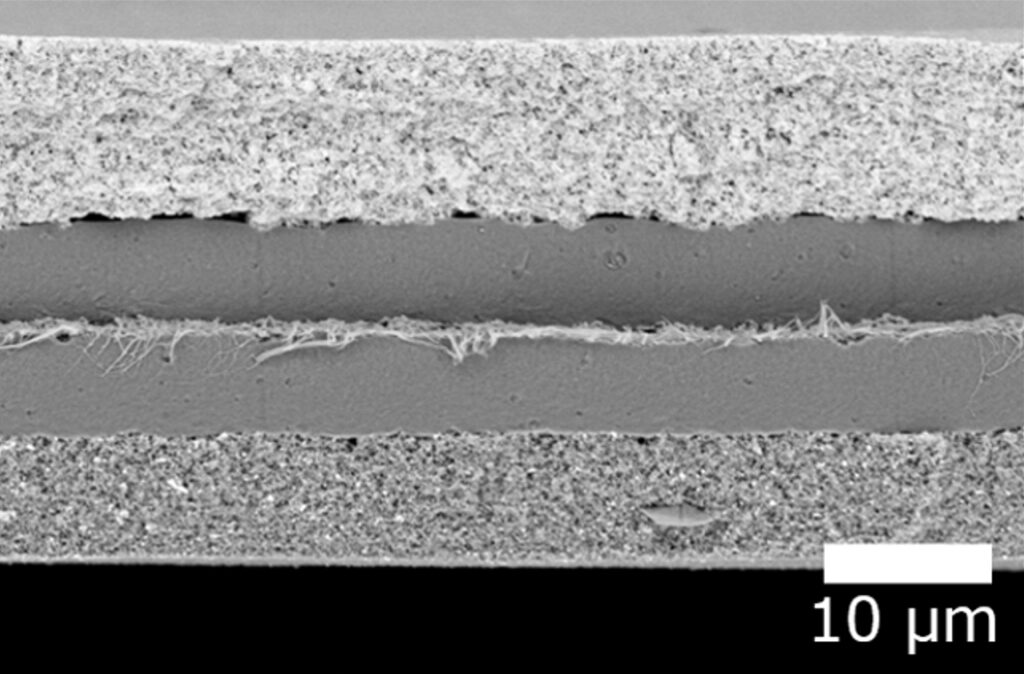
Querschnittsaufnahme einer GDL (Gasdiffusionsschicht

Project information

Duration: 1. November 2025 – 31. October 2028

Partners:

  • Hydrogenea/Direct Matter
  • Auretus
  • ZBT

Funding: ERDF/JTF program NRW 2021-2027

Project budget: approx. 5.4 million euros

Total budget ZBT: 4,163,703.76 euros

PK: 1,044,858.23 euros

Invest: 3,424,750.55 euros

This project is funded by the European Union in the field of innovation and research.

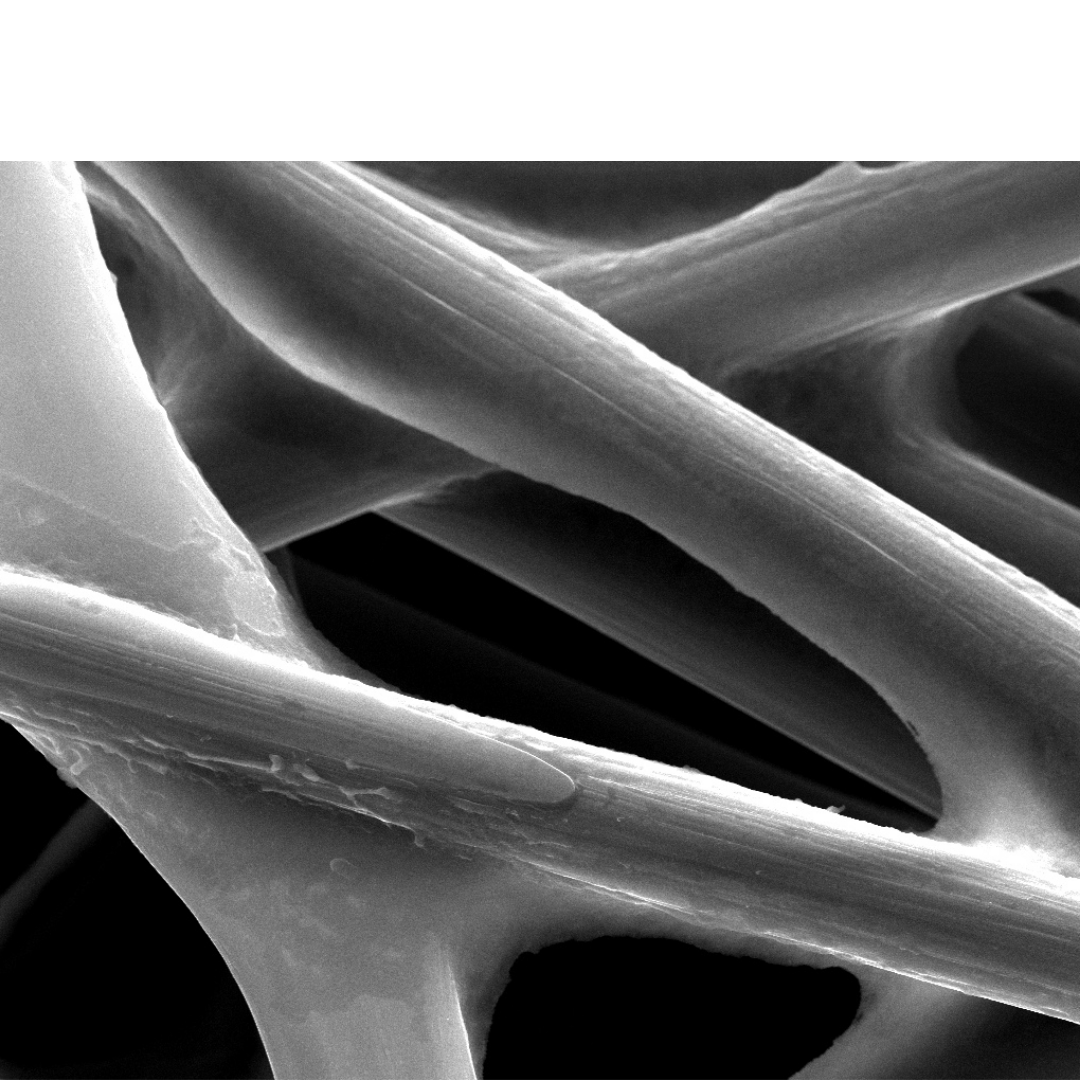
Scanning electron microscope image of a fibre structure

Contact

Head of Department New Materials & Technologies

Dr. Susanne Palecki
+49 203 7598-2352

Media

Other current projects

All our projects