Flying is set to become more environmentally friendly. However, the requirements for alternative propulsion systems in aviation are very high. Above all, they must be particularly light and powerful. Together with its partners, ZBT is developing an optimised fuel cell stack for hydrogen propulsion in aircraft. The goal of the project, known as KT2GP (KeyTechToGreenPower), is to achieve a power density of more than 6 kW/kg.
To achieve this, the weight of the stack must be significantly reduced. To this end, the project partners are analysing and optimising the entire process chain for the manufacture of titanium bipolar plates, from forming and cutting to joining and sealing, in order to identify and exploit potential for optimisation. For example, the heavy stainless steel used in the bipolar plates is to be replaced by lightweight materials such as titanium. To this end, all project partners are investigating the entire manufacturing technologies for titanium bipolar plates.
ZBT optimises seal application
Within the project, ZBT is focusing on the process of seal application using dispenser technology for the robust use of extremely compact bipolar plates. To this end, a highly integrated sealing system is being developed, taking into account minimal cord thicknesses with optimised materials, optimised media tunnelling concepts and the integration of the sealing groove on the weld contour for the bipolar plate.
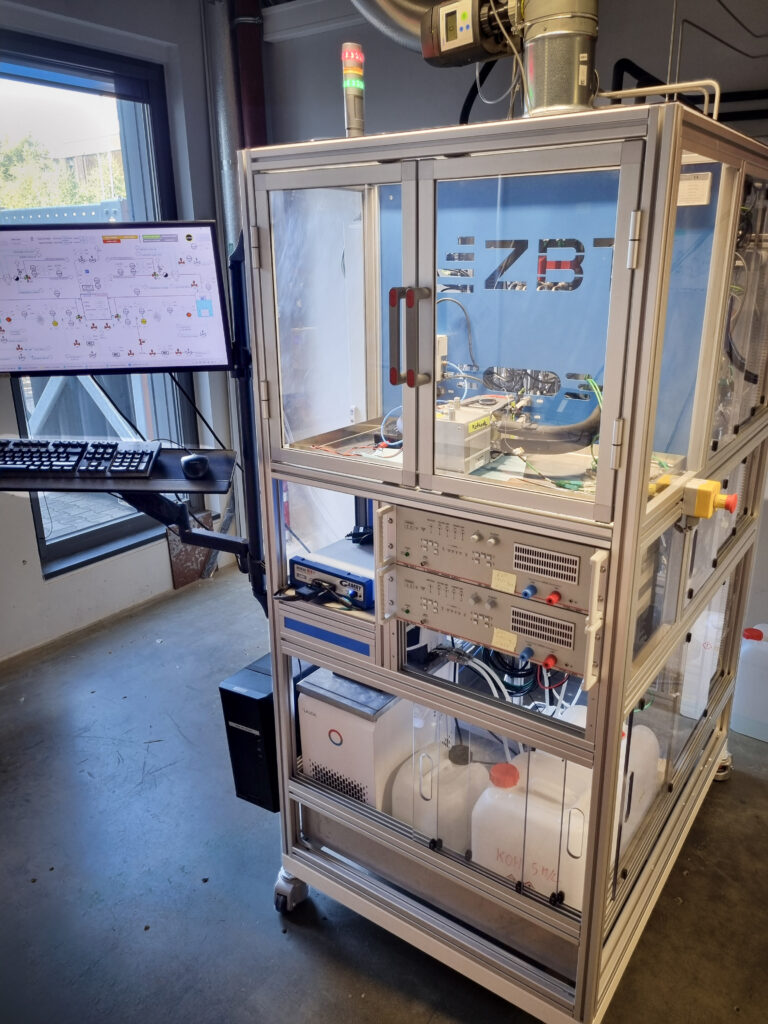
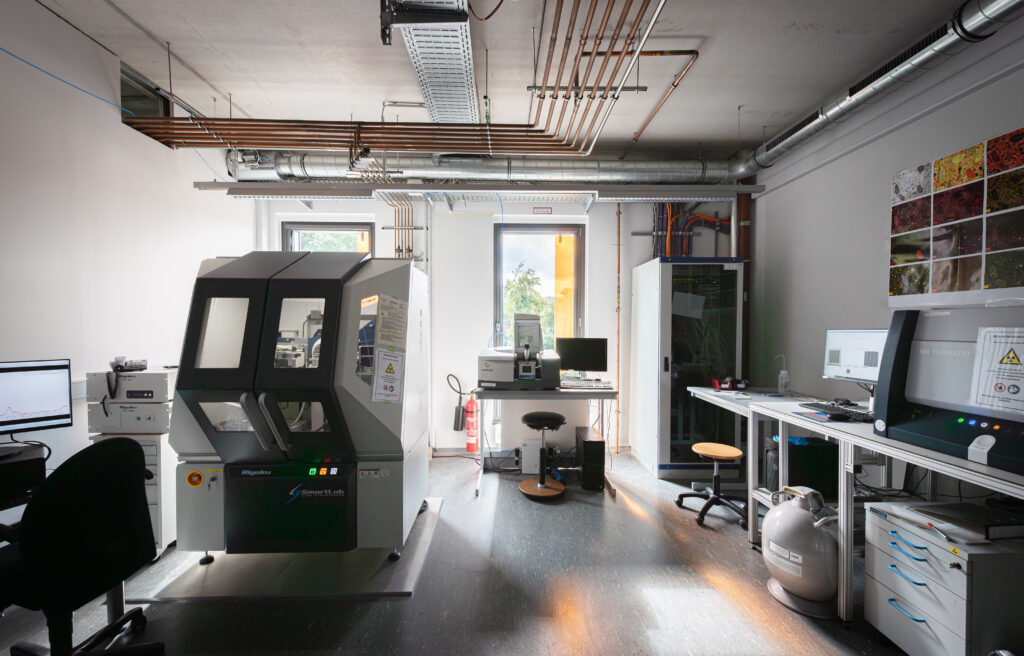
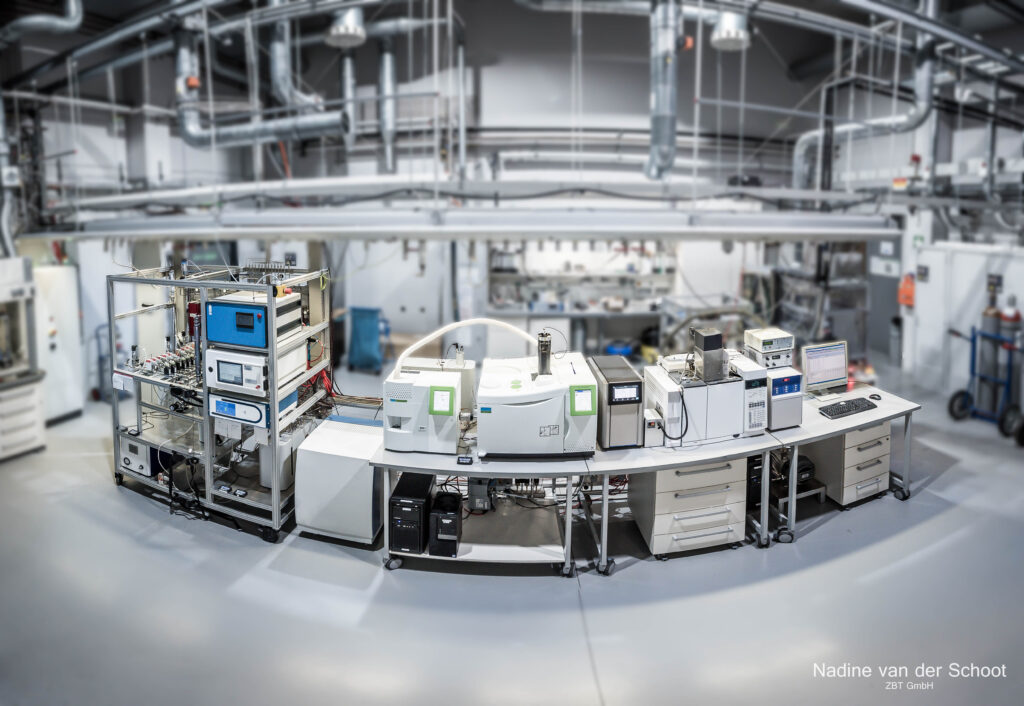
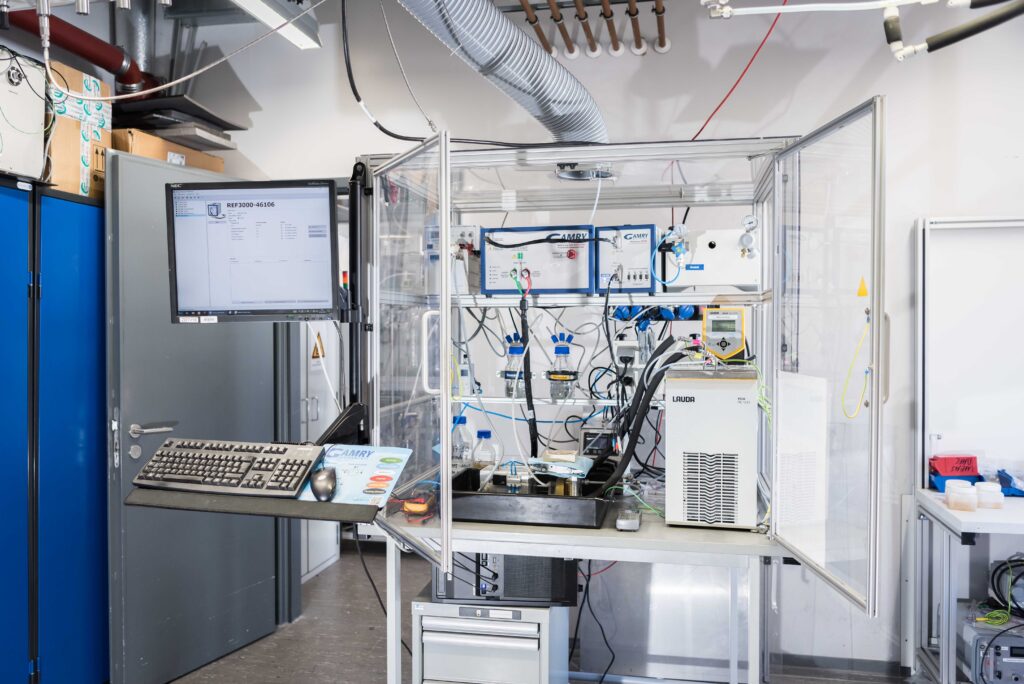
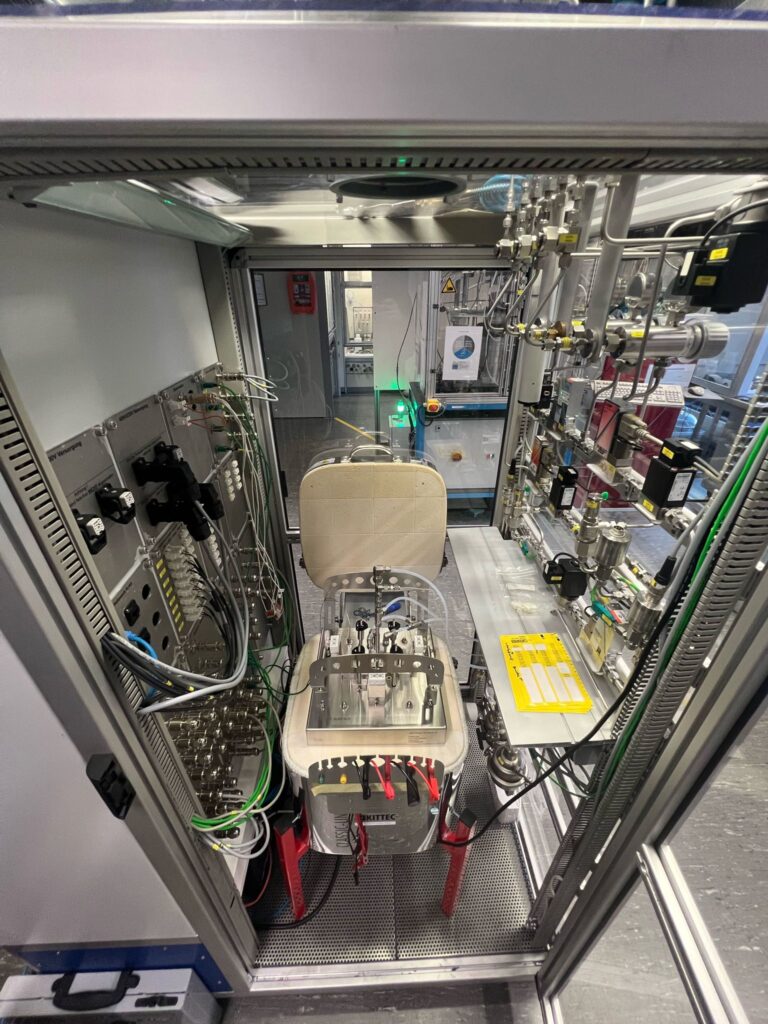
In addition, ZBT is developing suitable qualification concepts to monitor process quality and ensure the long-term stability of components at the seal and bipolar plate level – always with the specific requirements of aviation applications in mind, of course. To analyse the sealing materials, hydrogen permeation is measured. On the other hand, the materials on the bipolar plate are evaluated using a newly developed optical quality assurance system. In addition, the coatings for the bipolar plate are examined at ZBT by means of corrosion current measurements (ex-situ), resistance measurements and in single-cell fuel cell operation (in-situ) with aviation-specific operating behaviour.
Two stacks and fully automated assembly
A total of two complete stacks with a power density of more than 6 kW/kg are to be manufactured in this project. In addition, an assembly island for stack assembly will be set up to assemble the fuel cells into a stack fully automatically.
After the project, the fuel cell system will be validated and verified in a ground test. It should thus demonstrate its suitability for aviation applications with hydrogen as an energy carrier.
Project title:
Manufacturing technologies for titanium bipolar plates (BPP) and stack assembly as enabler technology for fuel cell systems in aviation
Project acronym:
KT2GP (KeyTechToGreenPower)
Approval period:
01.11.2023 to 31.12.2026
Funding code:
20N2204E
Department Fuel Cells and Stacks