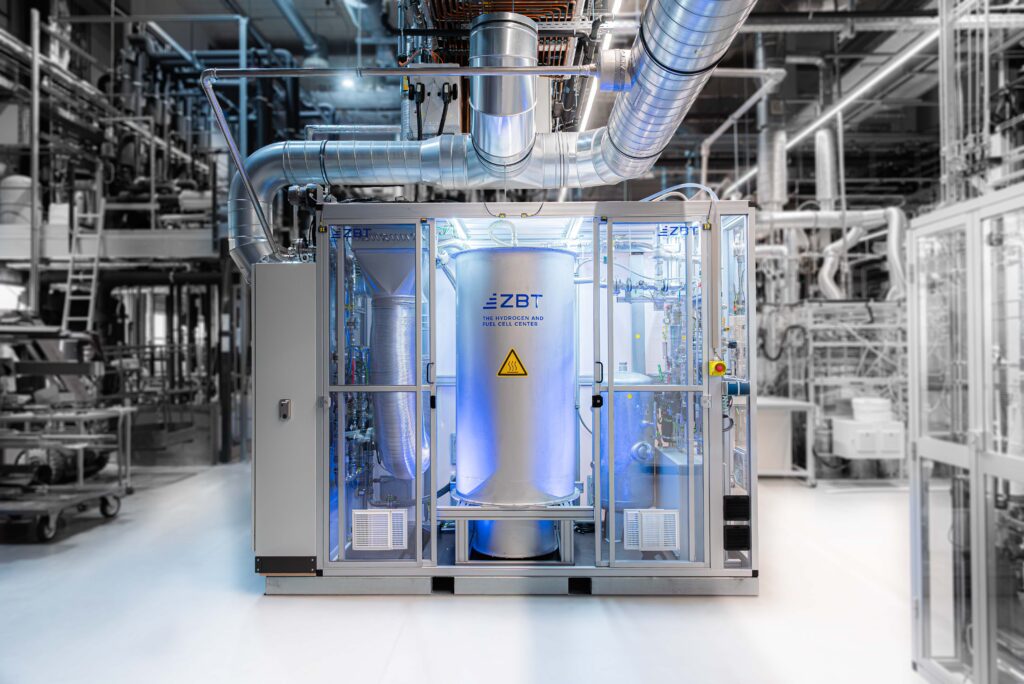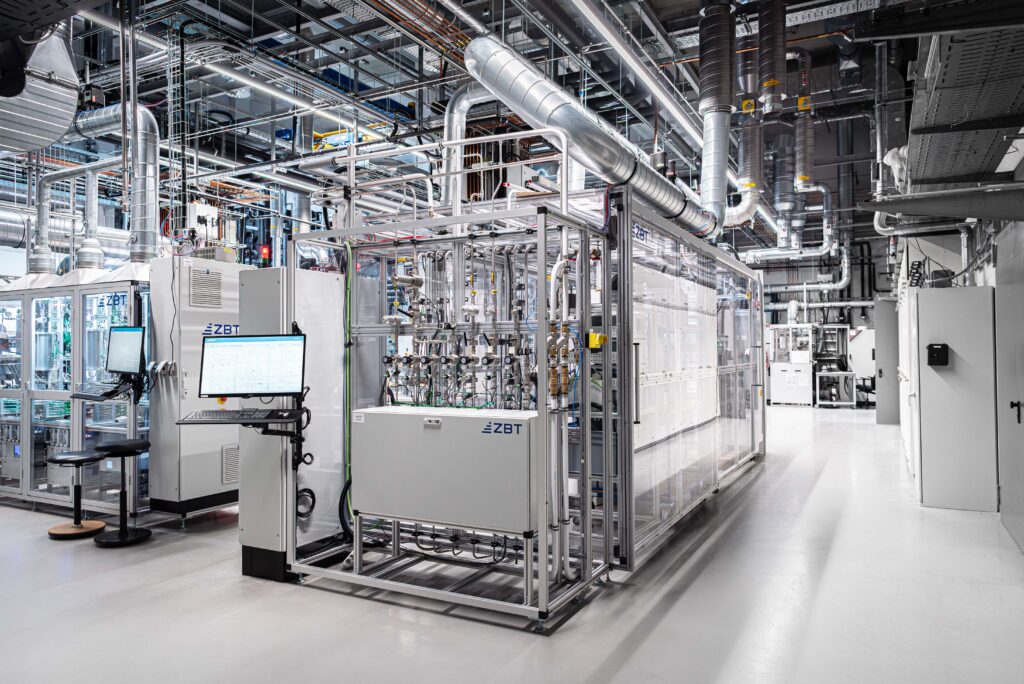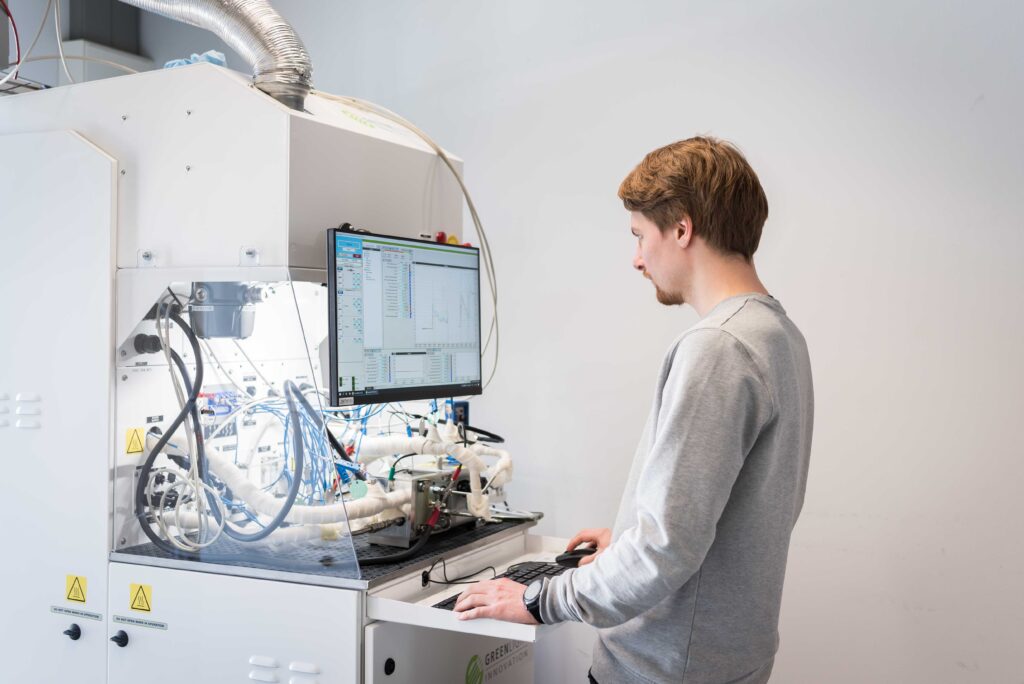
Greenlight test bench, Julian Kapp

ReMatKat – Reduction of Critical Materials in PEM Electrolysers

PEM electrolysers require rare, expensive, and otherwise critical materials, including iridium for the catalysts and PFAS for the membranes. The ReMatKat project aims to reduce the use of such materials.

As part of the ReMatKat collaborative project, we are working with ionysis GmbH to develop innovative catalyst-coated membranes (CCM) for PEM electrolysers that use significantly fewer critical raw materials. The goal is to reduce the use of iridium and PFAS-containing materials through new membrane and cell designs without compromising the performance and service life of the electrolyser.

To this end, edge-reinforced membrane structures (subgaskets), thinner membranes, recombination catalysts to reduce hydrogen crossover, and material-efficient catalyst layers are being developed and validated in individual cells.
Analysis Using X-ray Microscopy

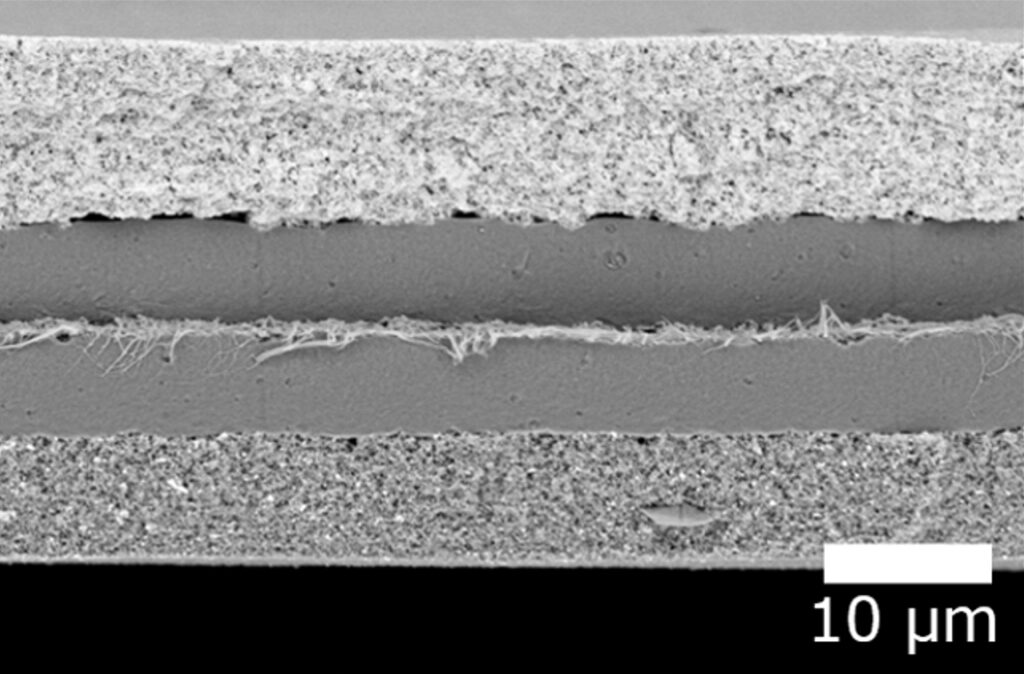
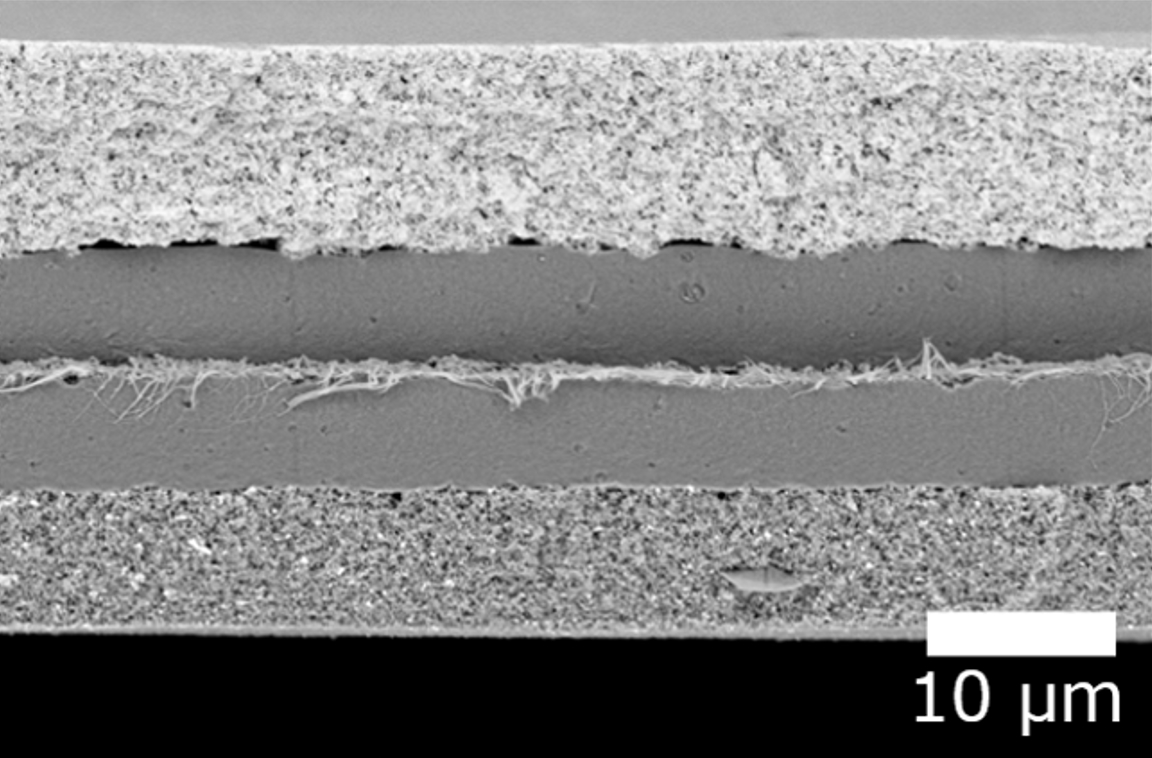
The ZBT supports this development with comprehensive material characterisation and electrochemical testing. A particular focus is on the non-destructive analysis of the membrane composite using X-ray microscopy (XRM) to investigate its structure, integrity, and degradation mechanisms under realistic operating conditions.

In this way, ReMatKat is making an important contribution to the development of resource-efficient and cost-effective PEM electrolysers for the future hydrogen economy.

Röntgenmikroskopaufnahmer einer Membran-Elektroden-Einheit (MEA)

Project information

Title: ReMatKat – Reduction of Critical Materials in PEM Electrolysers Through Material-Efficient Cell Structure and Catalytic Optimisation

Term: July 1, 2026 – June 30, 2028

Funding: “KMU-innovativ: Resource Efficiency and the Circular Economy” funding program of the Federal Ministry of Research, Technology, and Space

Project partners:

  • ZBT – The Hydrogen and Fuel Cell Center (Coordinator)
  • ionysis GmbH
Förderlogo des BMFTR

Contact

Project manager

Dr. Viktor Mackert
+49 203 7598-2370
Portrait eines Manns mit Brille, Anzug und Krawatte

Material Development – Our Services

The ZBT develops materials for electrochemical applications, including membranes, catalysts, inks, compounds, and seals. The goal is to optimise chemical, electrical, and mechanical properties in terms of service life, processability, and functionality in stack operation – always tailored to the respective cell or system architecture.

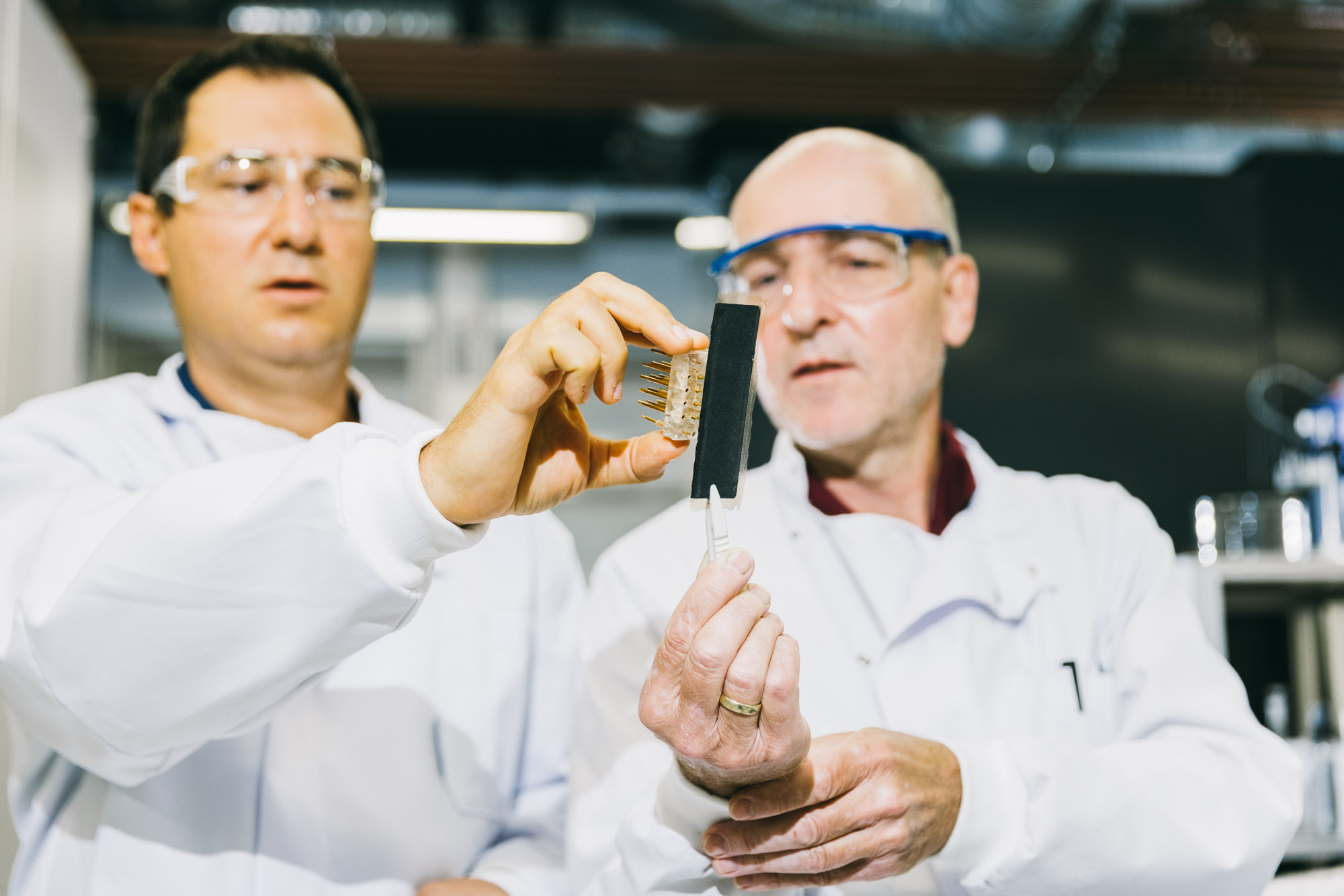
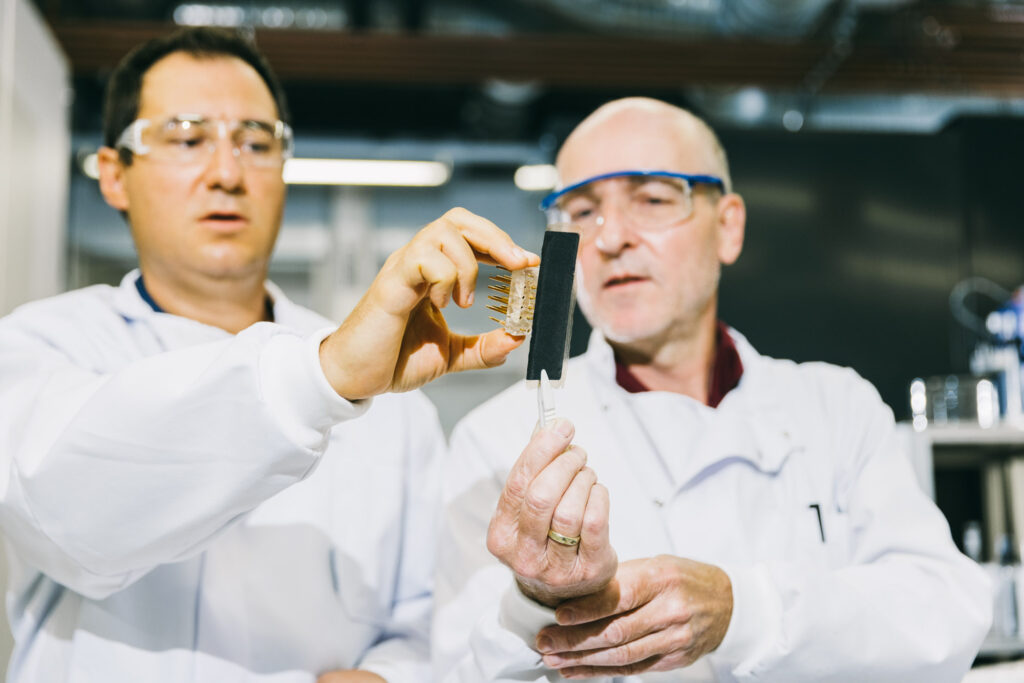
Two scientists in white lab coats are examining a material sample in the Electrochemical Components Laboratory.
Learn more about our services in the field of materials development

Other current projects