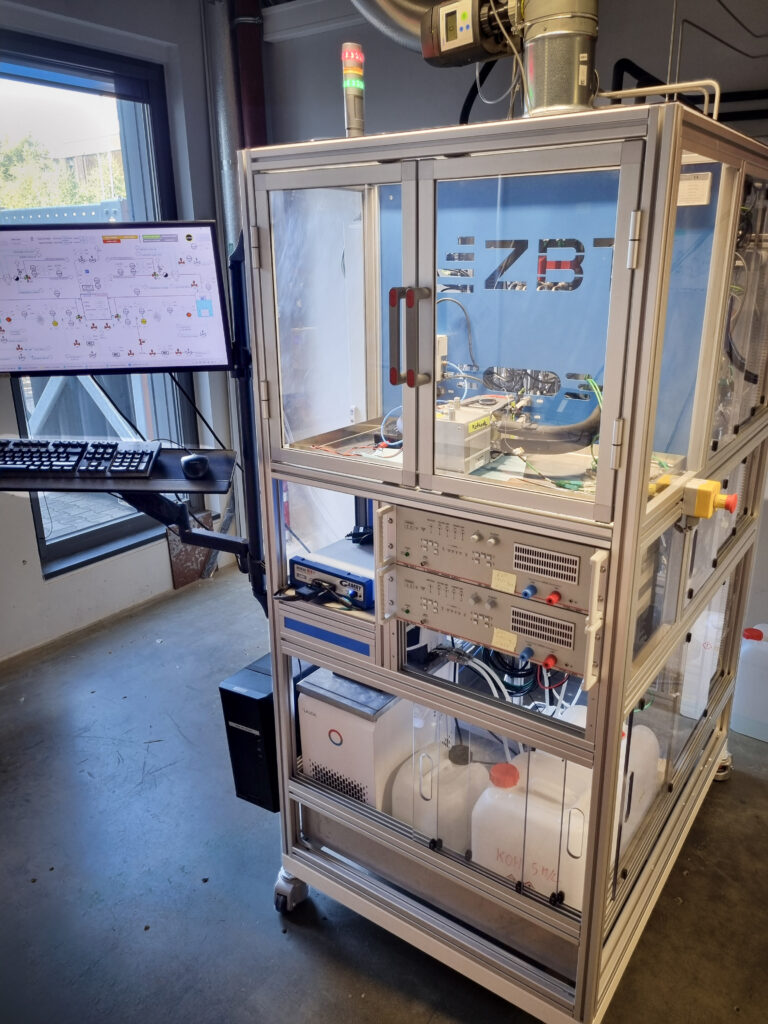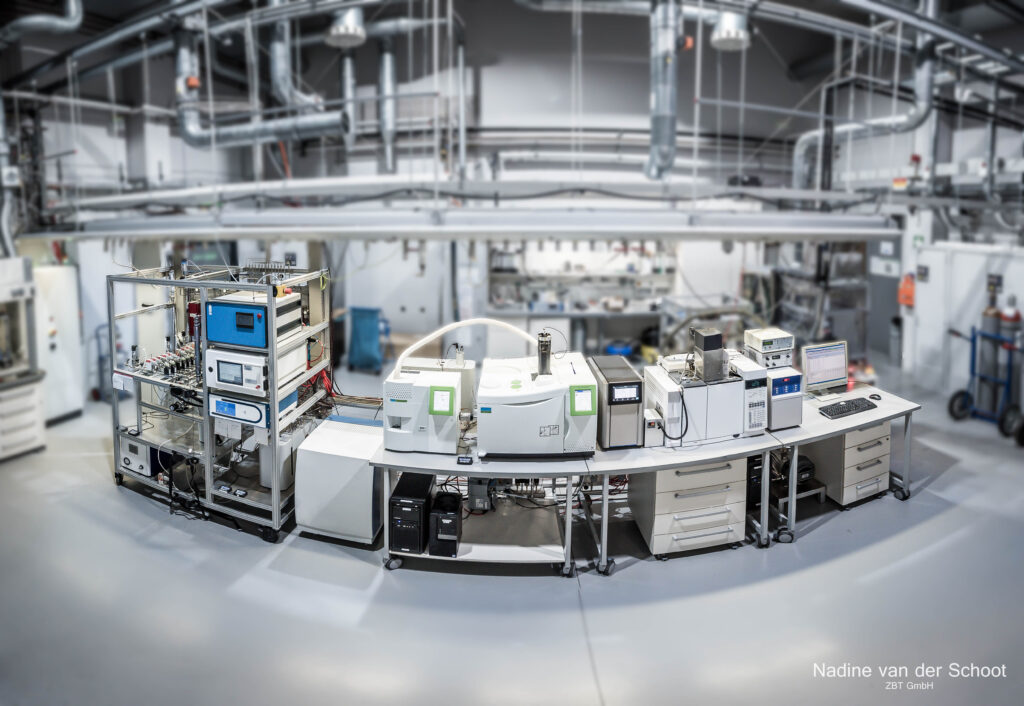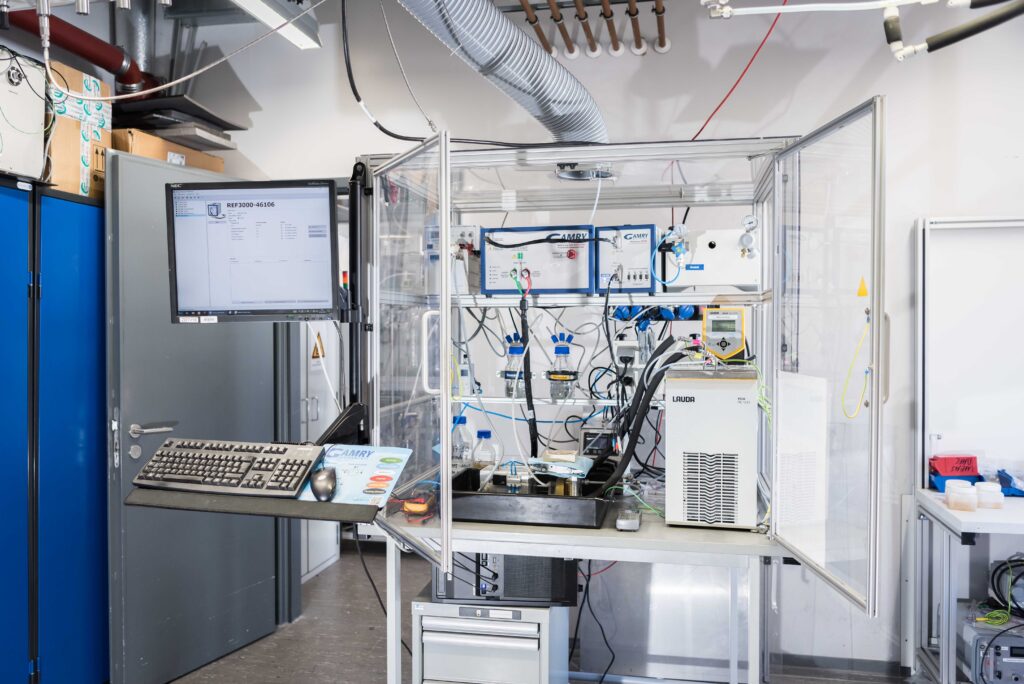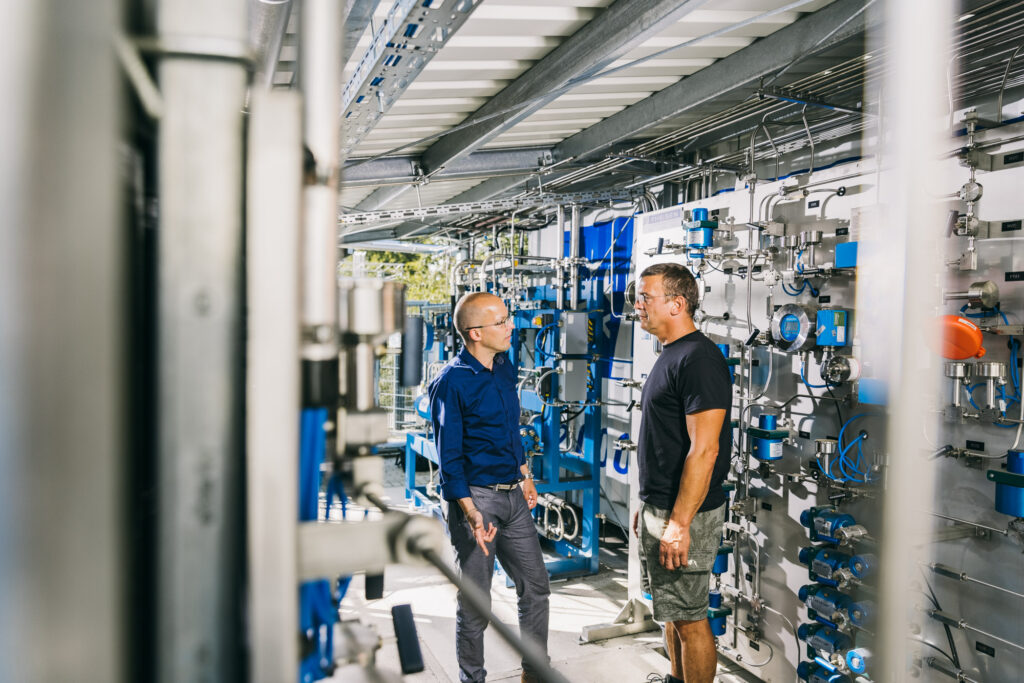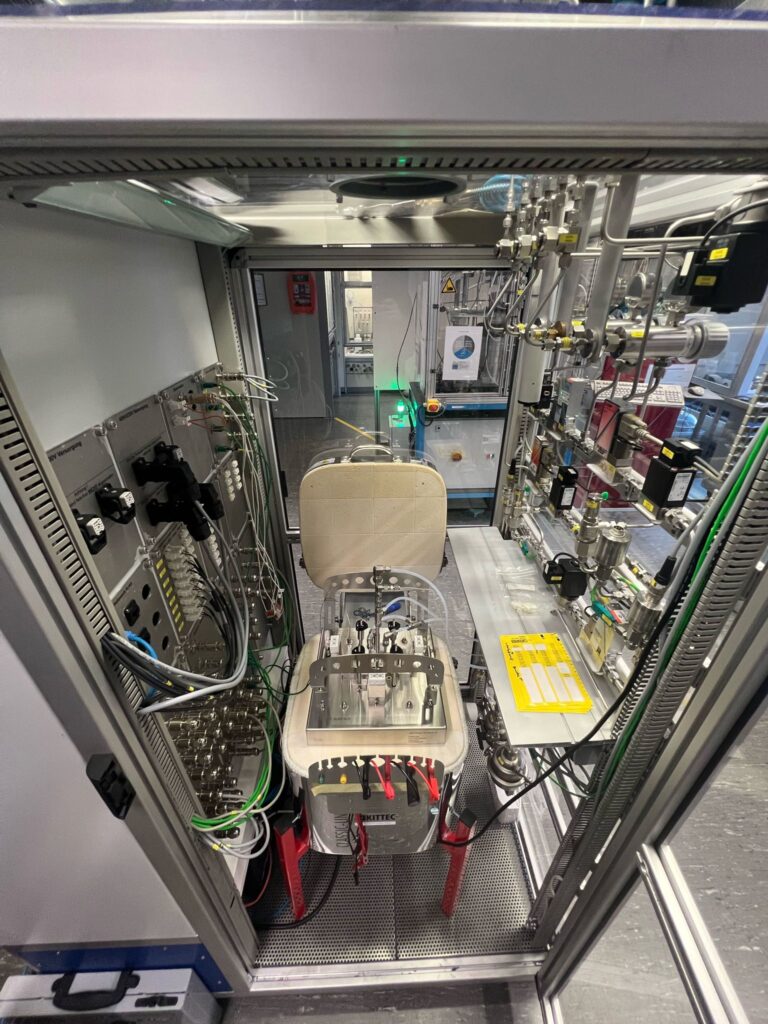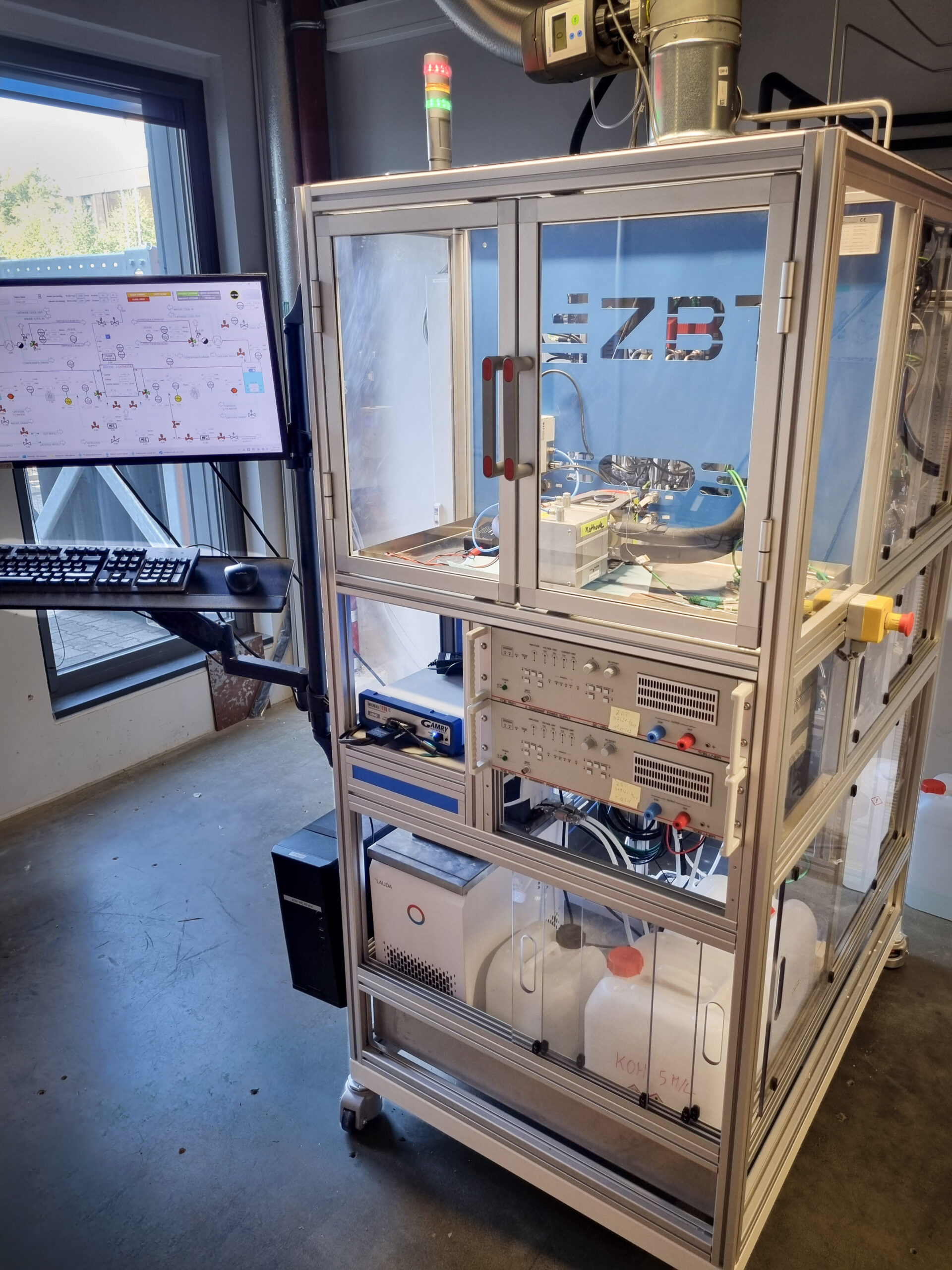
Laboratory Test Bench

NEREUS – Next-Generation Scalable AEM Electrolyzers as Sustainable Hydrogen Production System

Development of scalable next-generation AEM electrolysers for sustainable hydrogen production

In the recently launched NEREUS project, we are working with our international project partners to develop next-generation anion exchange membrane electrolysers (AEM electrolysers) for high-performance, long-lasting and cost-efficient hydrogen production. The aim of the project is to combine innovative materials, stack designs and system components into a scalable overall system and thus accelerate the market launch of sustainable electrolysis technologies.
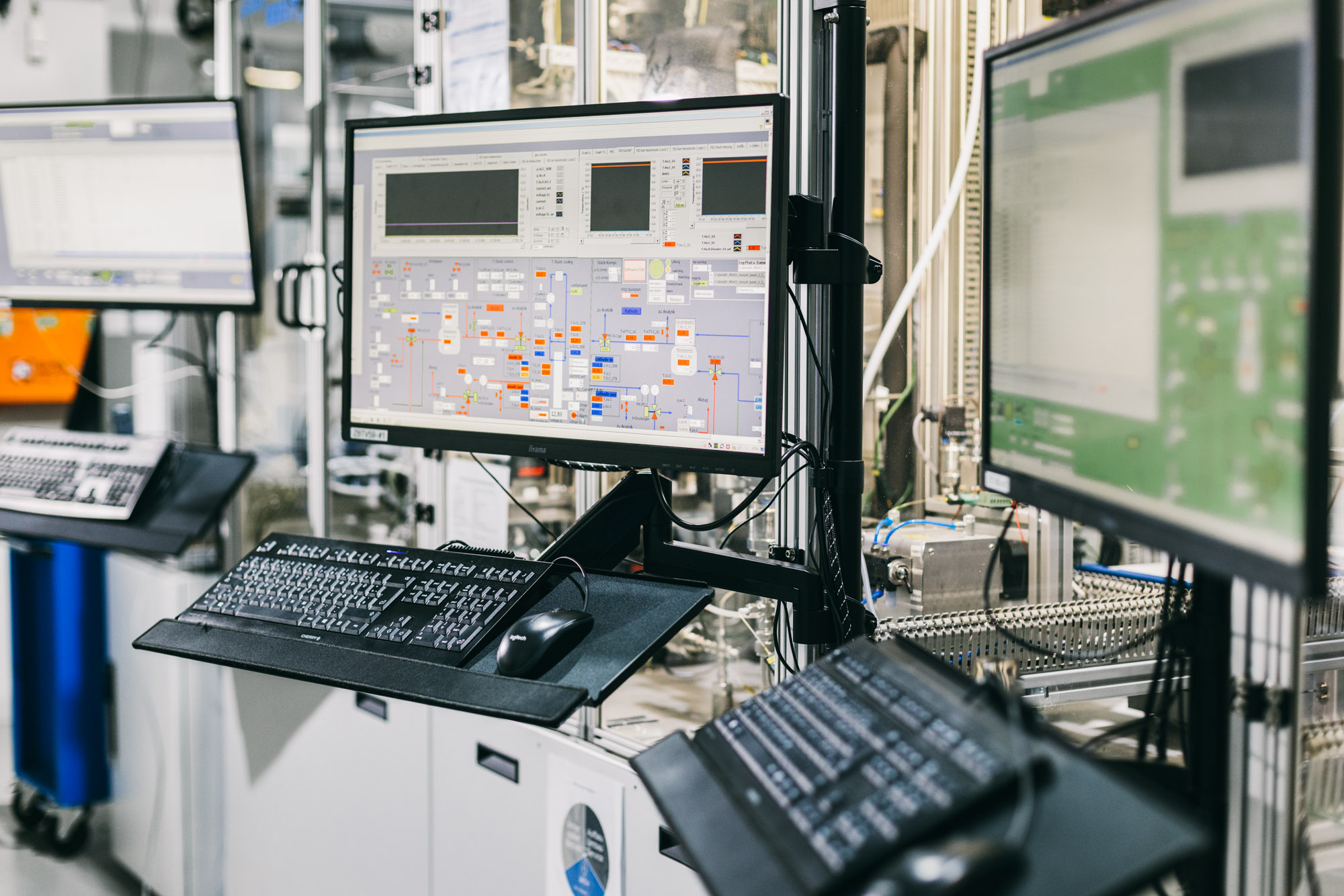

New AEM electrolysers for sustainable hydrogen production

The expansion of the hydrogen economy requires electrolysis systems that combine high efficiency, a long service life and economic manufacturability. This is precisely where NEREUS comes in: The project is developing AEM electrolysers as a promising technology for the sustainable production of green hydrogen. The focus is on the further development of low-temperature water electrolysis into systems that are both powerful and cost-efficient.

A central approach is the use of platinum group metal-free electrodes in combination with advanced membranes and precisely designed components. The aim is to reduce material costs and at the same time create the technological basis for robust, industry-oriented electrolysis systems.

From cell and stack design to a compact overall system

In NEREUS, we are jointly developing novel cell and stack configurations in which bipolar plates, frames and seals, among other things, are specifically designed for high performance and scalability. An important innovation is the significant reduction in cell thickness to enable more compact and efficient systems.

This approach is complemented by an intelligent and compact balance-of-plant system (BoP). This includes highly efficient power electronics, advanced gas-liquid separators and intelligent fluid and pressure management. This forms the basis for an AEM electrolysis system with more than 20 kW, which is specially designed for dynamic load conditions. In this way, NEREUS combines the development of individual components with integration into an application-oriented overall system.

Flexible operation, diagnostics and path to market launch

The system developed in the project is designed for direct DC-DC coupling with renewable energy sources and can therefore also be used in off-grid operation with low energy losses. At the same time, it can support grid-supporting functions such as frequency and voltage regulation. NEREUS thus contributes to both energy autonomy and grid stability.

In addition to system development, reliability, standardisation and commercialisation also play a central role. The project therefore integrates advanced diagnostic tools and machine learning models in order to detect degradation mechanisms at an early stage and improve the service life of the systems. At the same time, regulatory requirements and certification paths are already taken into account in the early project phases. NEREUS is thus creating important prerequisites for safe, interoperable and marketable AEM electrolysers in the European energy transformation.

Project information

Project acronym: NEREUS

Full project title: Next-Generation Scalable AEM Electrolyzers as Sustainable Hydrogen Production System

Duration: 1. March 2026 – 28. February 2029

Funding program: Horizon Europe / Clean Hydrogen Joint Undertaking

Grant Agreement ID: 101251004

Funding area: Climate, Energy and Mobility

DOI: 10.3030/101251004

Funding amount (total): € 3,999,785.64

Funding amount (ZBT share): 499.233,80 €

Coordination: Antares Electrolysis S.r.l., Italy

Project partners:

  • Antares Electrolysis S.r.l., Italy
  • HyCentA Research GmbH, Austria
  • Matteco Team SL, Spain
  • Politecnico di Torino, Italy
  • RINA Consulting SpA, Italy
  • RINA Tech UK Ltd, United Kingdom
  • Universidade do Porto, Portugal
  • Università degli Studi di Genova, Italy
  • University of Southampton, United Kingdom
  • University of Canterbury, New Zealand
  • Università degli Studi di Roma Tor Vergata, Italy
  • ZBT – The Hydrogen and Fuel Cell Center, Germany

This project is funded by the European Union.

Contact

Group lead AEM Electrolysis

Dr. Moritz Pilaski
+49 203 7598-3408

Other current projects