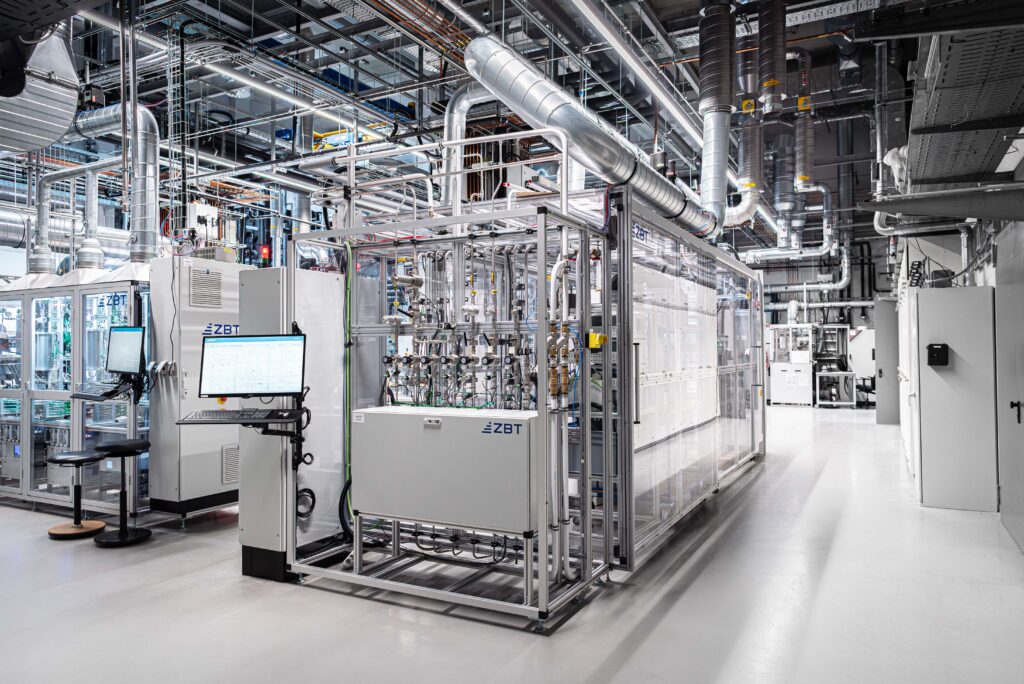
FROZEN – Strategies for the safe use of fuel cells at very low temperatures

Fuel cells are supposed to be a reliable alternative drive system for transportation and mobility, even in very cold regions. But what effect do sub-zero temperatures have on PEM fuel cells? And what are the operating strategies that prevent frost-related damage? The FROZEN consortium is getting to the bottom of these questions.

To ensure that fuel cells can also be used reliably and permanently for mobile applications in cold regions, we need to understand frost-induced degradation mechanisms even better and develop strategies to prevent frost damage. The ZBT, the Chair of Thermodynamics of Mobile Energy Conversion Systems (TME) at RWTH Aachen University and EKPO Fuel Cell Technologies are currently working together on this in the FROZEN research project.

A frozen soap bubble backlit – photo by Aaron Burden on Unsplash

Understanding cold starts and degradation mechanisms better

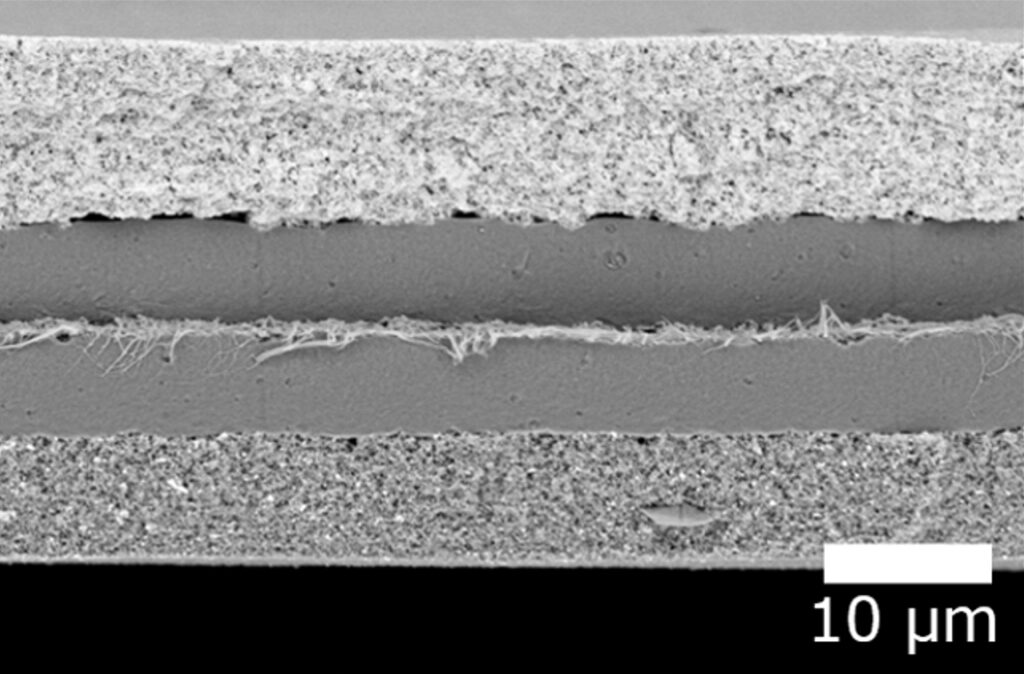
The project focuses on the development of robust cold-start strategies for PEM fuel cell systems, as well as on gaining a deeper understanding of the degradation mechanisms in membrane electrode assemblies (MEAs). We are investigating how different material concepts and boundary conditions – such as minimum temperatures and climatic stresses – influence the behaviour of the fuel cell.

Experimental investigations are complemented by model-based simulations of the start-up processes, which help to better understand ice formation processes and to derive operating strategies for a safe and reliable cold start.

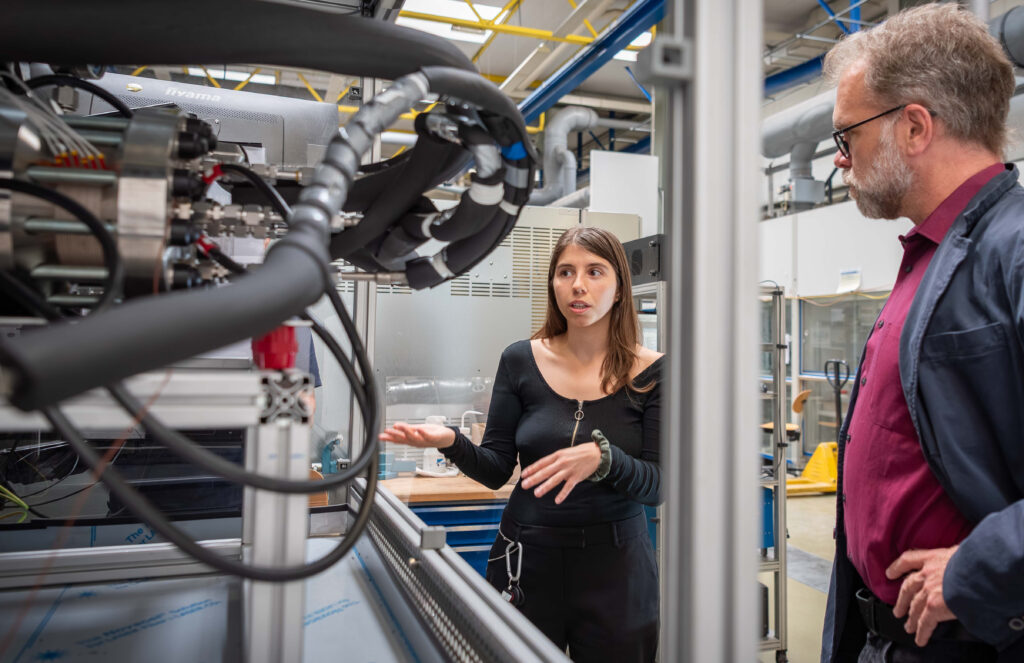
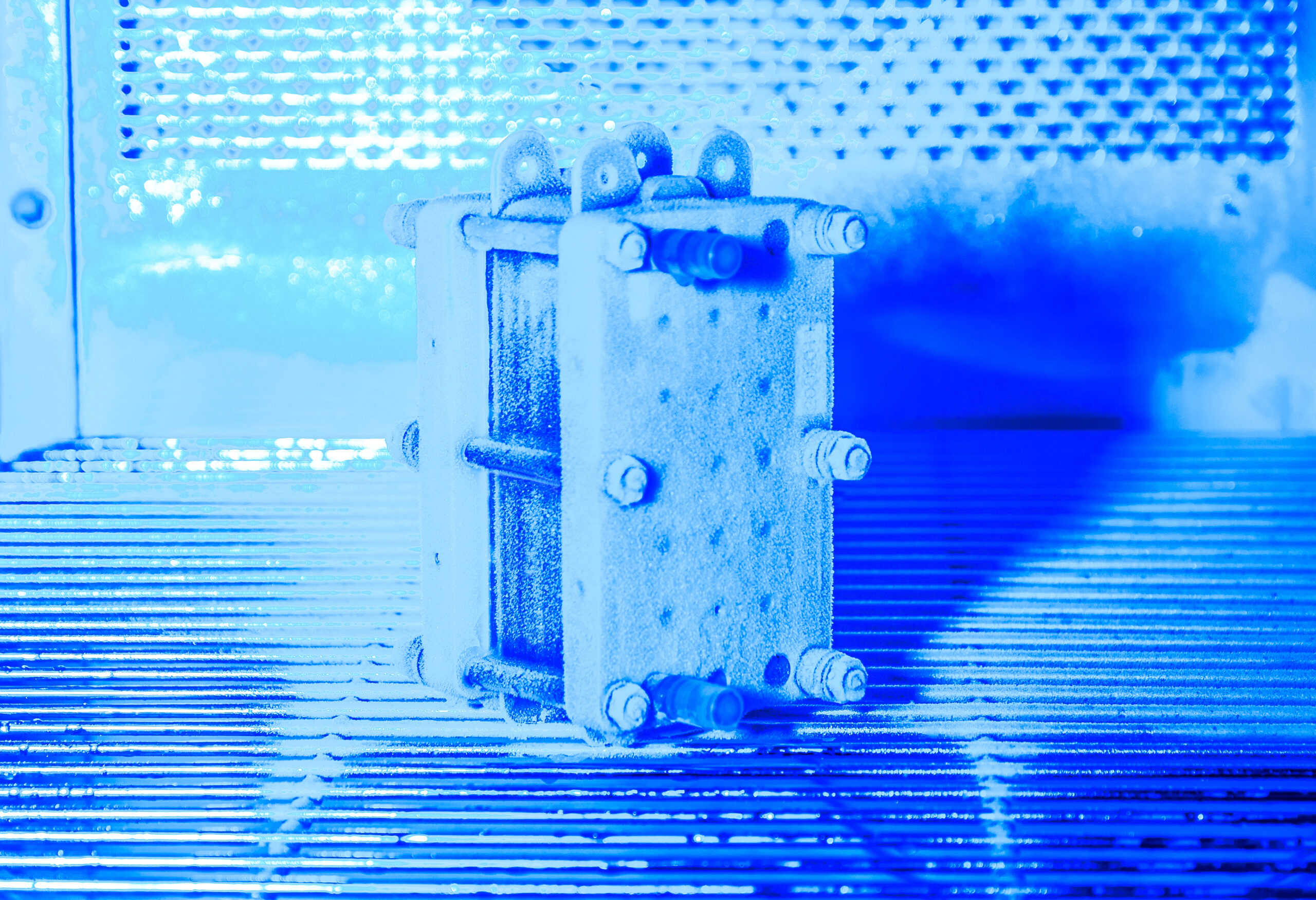
Brennstoffzellenstapel in einer Klimakammer bei Minusgraden

Project Meeting: Frost Start

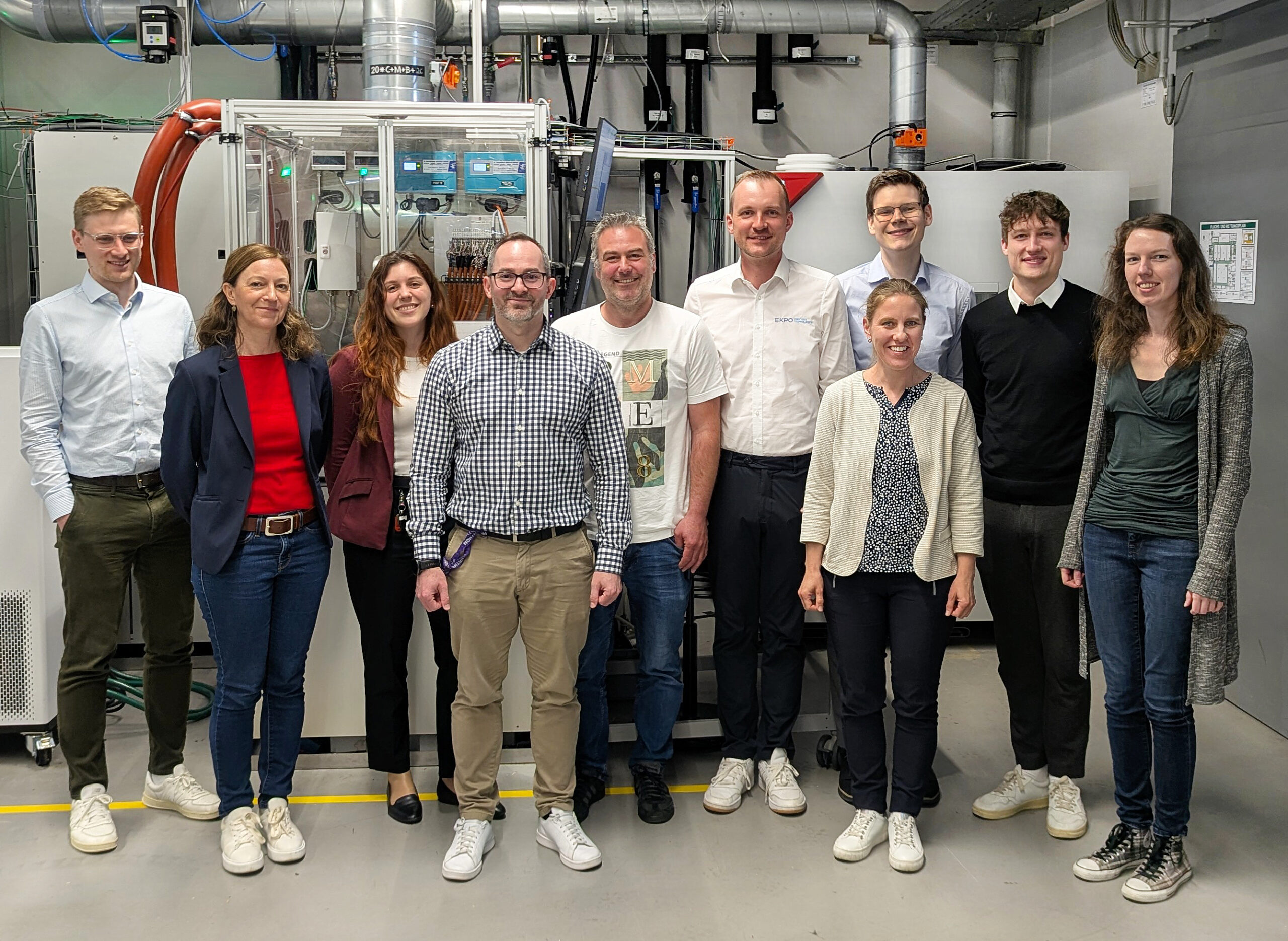
At a project meeting held at TME, the latest test results on freeze-thaw cycles and frost starts were discussed. The focus was on investigations into material changes under frost loading, the simulation of freeze-thaw cycles and frost starts, and the development of models to predict damage mechanisms.

This productive exchange demonstrates how closely industry and research are collaborating within FROZEN to enable the safe and long-lasting operation of fuel cells, even at low temperatures.

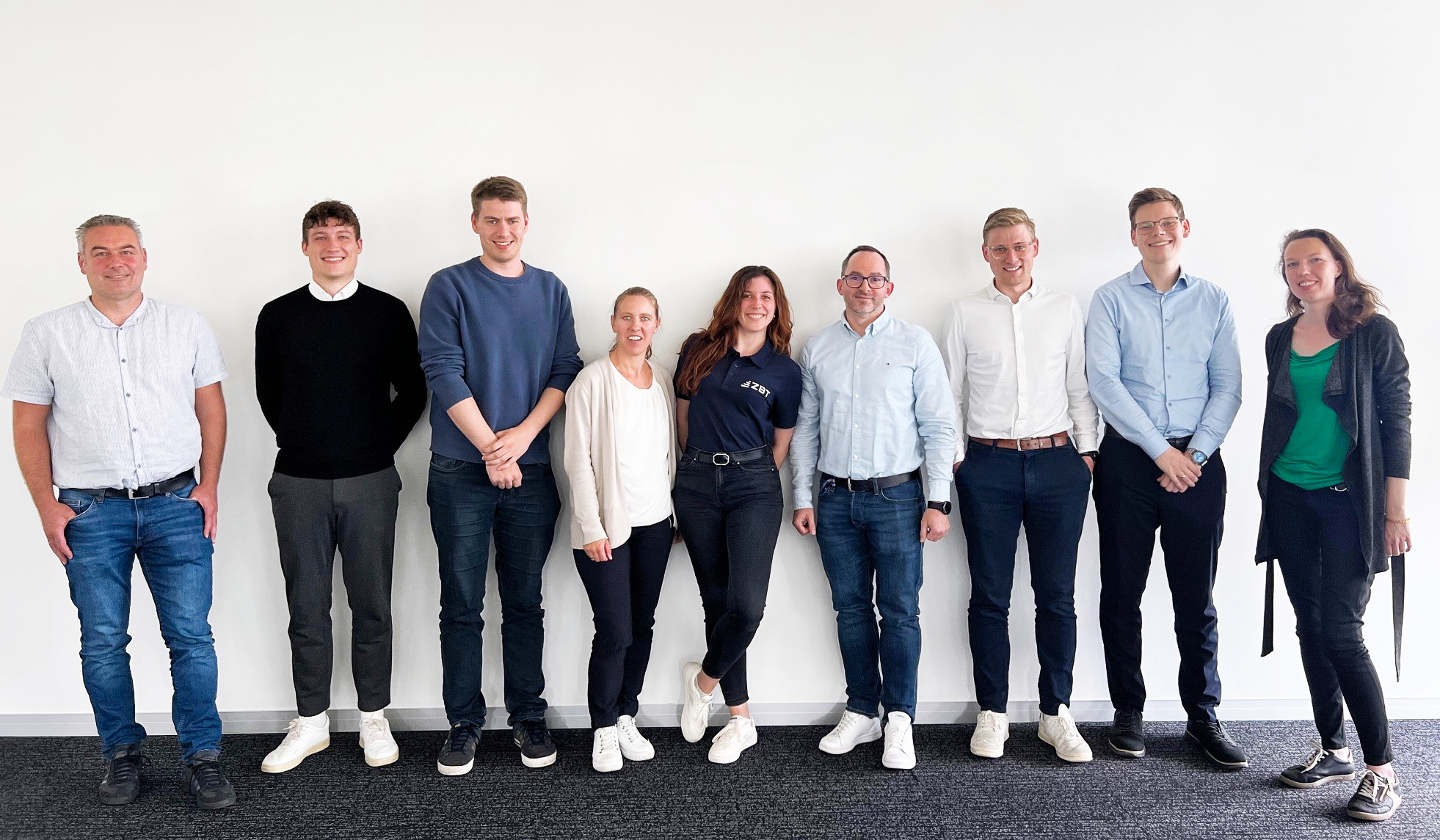
Group photo of nine people in front of a white wall

Project Meeting: Material Combinations

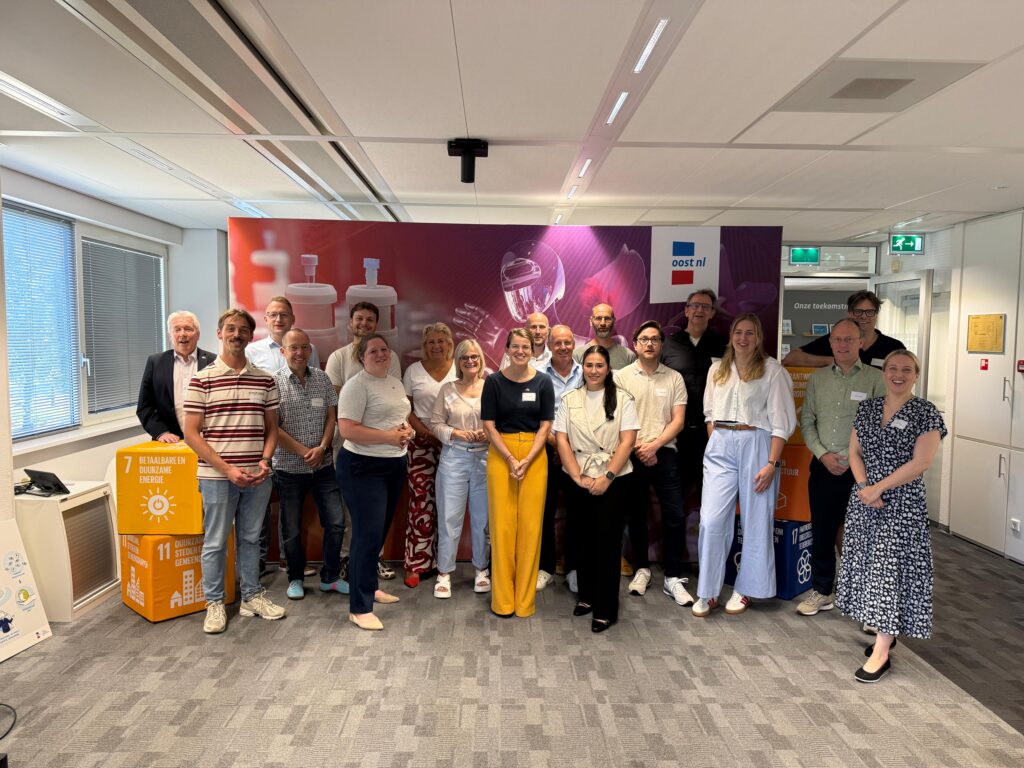
We recently had the pleasure of welcoming our project partners to the ZBT to discuss the latest interim results of the project once again.

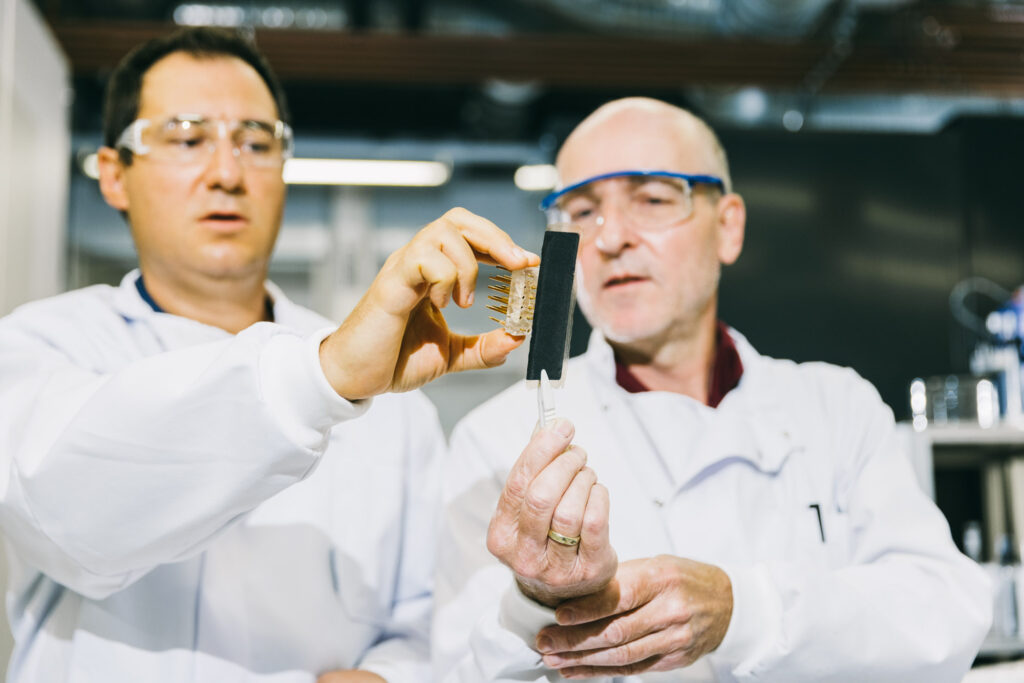
A particular focus of the project meeting was the presentation and discussion of the results from the in-situ and ex-situ investigations of various material combinations. In addition, the project partners presented the correlations between the different test and platform scales in order to assess the transferability of the results from the single-cell level to larger system levels.

Gruppenbild in einem Labor bei einem Projekttreffen

Project information

Project title: FROZEN – Frost damage to PEM fuel cells for mobile applications and strategies for safe use at low temperatures

Project partners:

  • EKPO Fuel Cell Technologies
  • Chair of Thermodynamics of Mobile Energy Conversion Systems (TME) at RWTH Aachen University
  • ZBT – The Hydrogen and Fuel Cell Center

Project management organisation: Project Management Jülich (PtJ)

The project is being funded as part of the “Hydrogen Republic of Germany” ideas competition organised by the Federal Ministry of Research, Technology and Space (BMFTR) as part of the German government’s 7th Energy Research Programme.

Ice crystals – Photo by Erin McKenna on Unsplash

Contact

Group Manager Materials Analysis and Quality Assurance
New Materials and Technologies Department

Verena Lukassek

Verena Lukassek, Staff photo

Other current projects