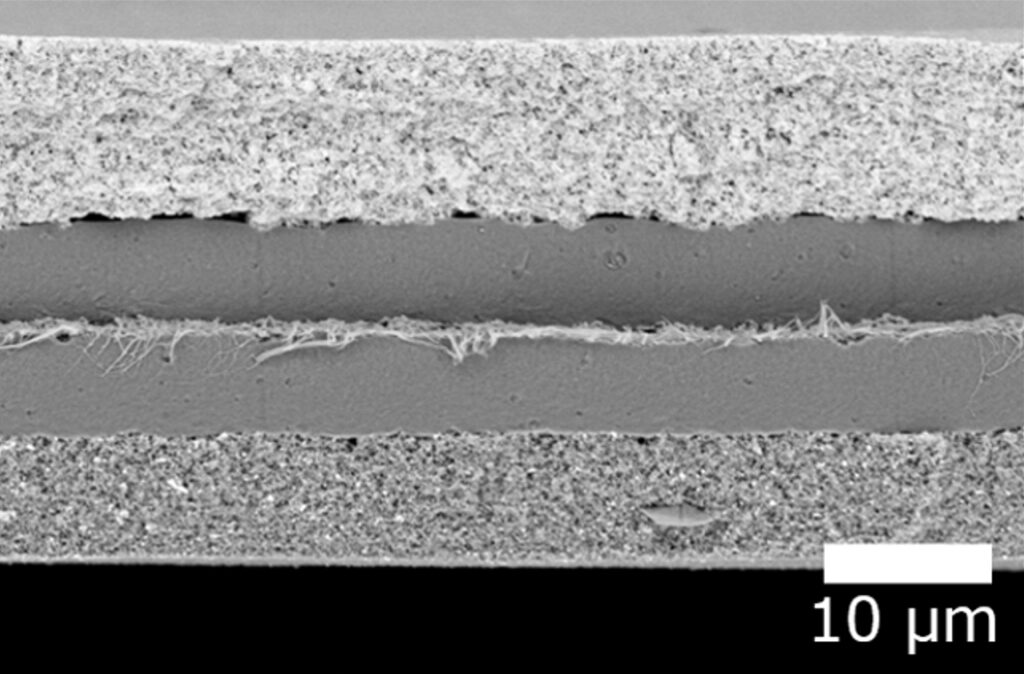
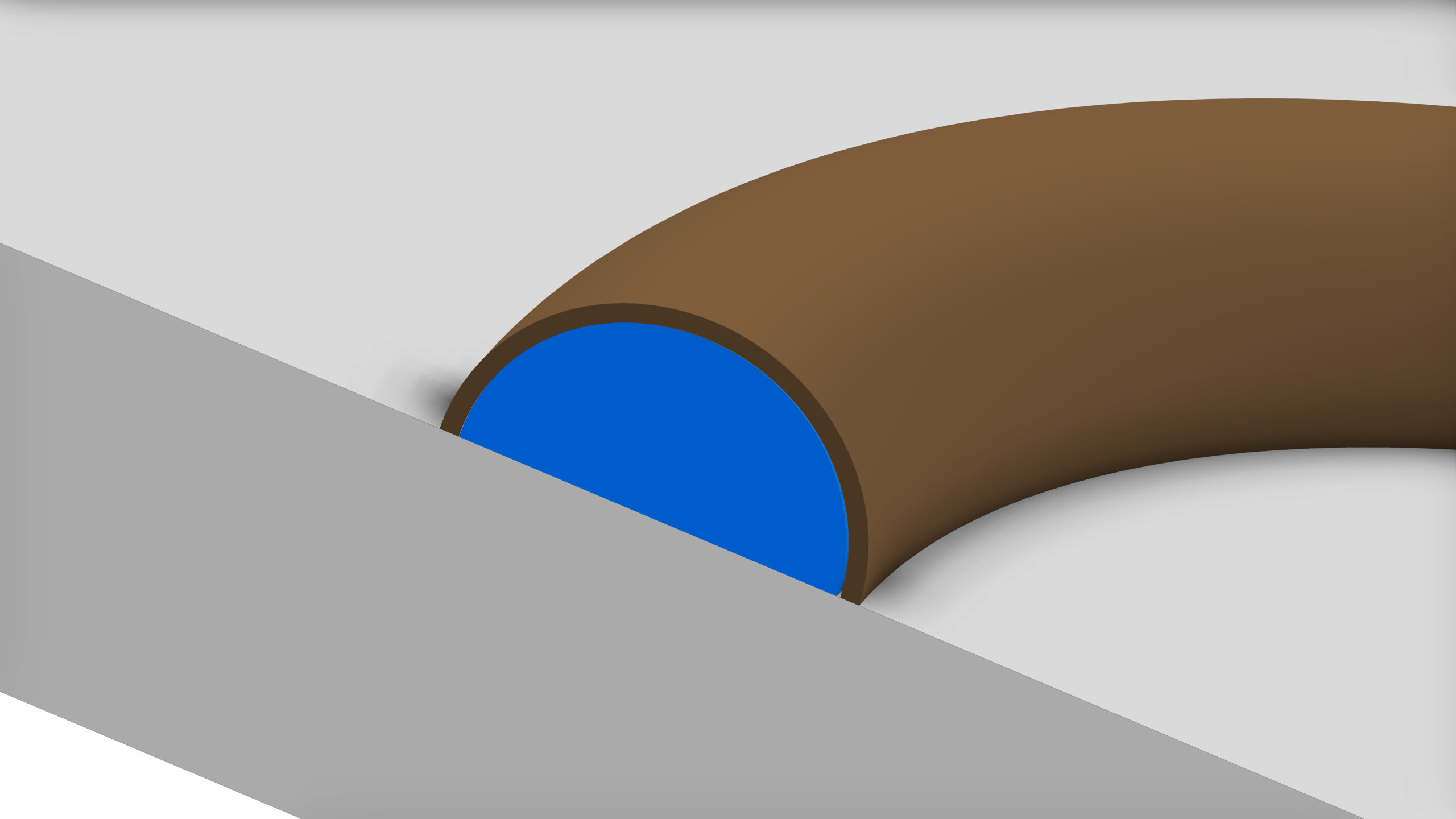
Grafische Darstellung einer Beschichtung für Silikondichtungen in Brennstoffzellen

H2Coat – Special coating for silicone seals in fuel cells to reduce permeation

The denser, the better: silicone is the material of choice for seals in fuel cells. However, ZBT and Rhenotherm are convinced that the good properties can still be improved and are jointly developing a special coating to further reduce hydrogen permeation through the seal.

Hydrogen fuel cells are a key technology for climate-friendly mobility. In addition to many other factors, careful handling of hydrogen as an energy source is crucial for their efficient operation – losses should be reduced to an absolute minimum.

The problem: due to its small molecular size, the gas can also diffuse slowly through conventional silicone seals. This so-called permeation effect leads to a loss of efficiency and can also pose a safety risk under certain circumstances.

Reduce hydrogen losses

In order to reduce this permeation, the ZBT is working with Rhenotherm Mini Parts in the ZIM project H2Coat to develop a new type of special coating for dispensed silicone seals on bipolar plates of fuel cells. The aim is to significantly reduce hydrogen permeation and thus increase both the efficiency and safety of fuel cell systems. The new coating is intended to form an effective barrier against hydrogen permeation without negatively affecting the mechanical properties of the seal.

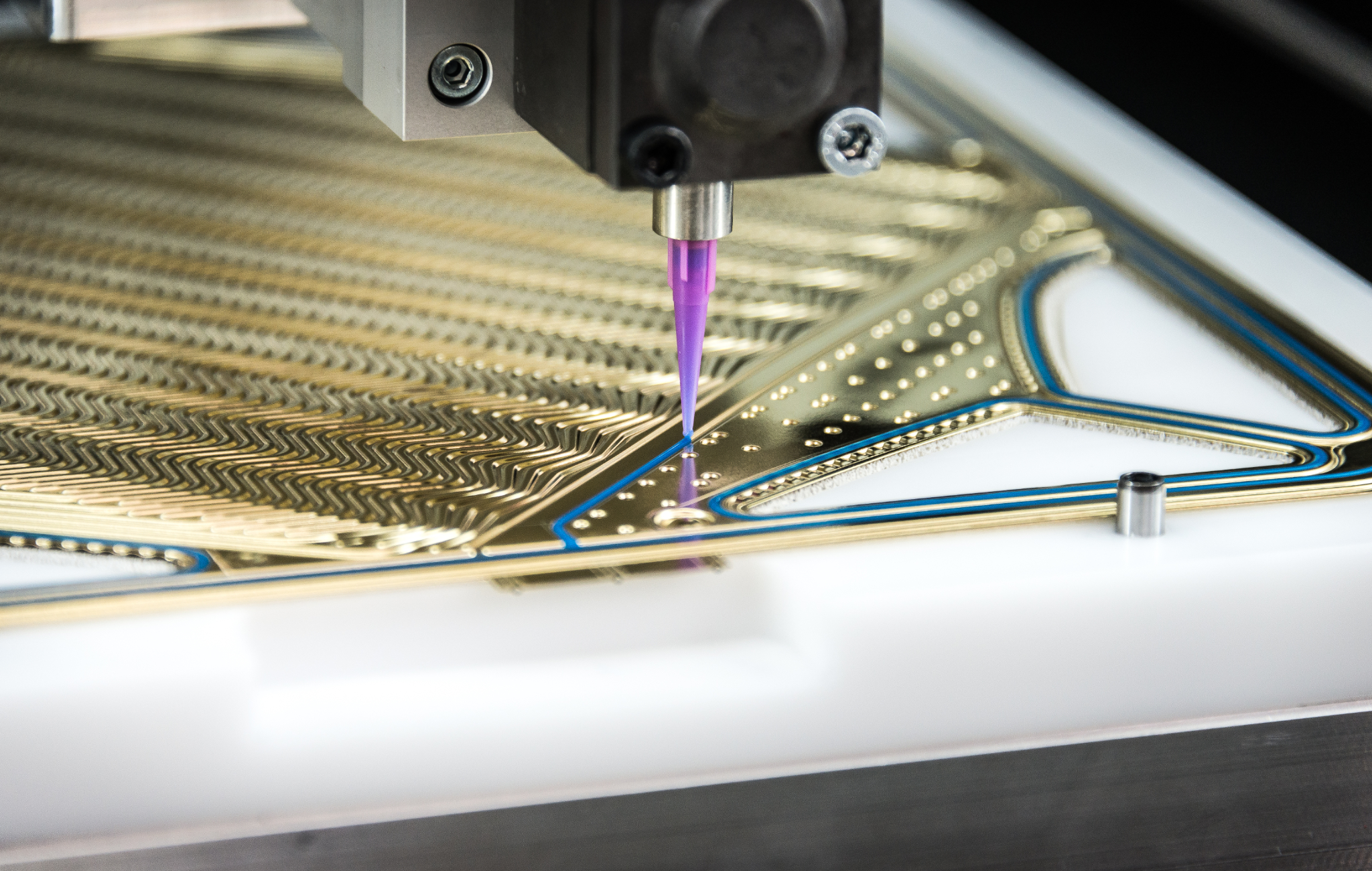
Dispenser bringt Dichtung auf Bipolarplatte auf

No easy task: reducing hydrogen permeation in silicone seals is technologically demanding. In addition to the impermeability to hydrogen, the secure and permanent adhesion of the coating to the silicone surface is a major challenge for the researchers. This is particularly tricky due to the low surface energy of silicone.

Complex tests

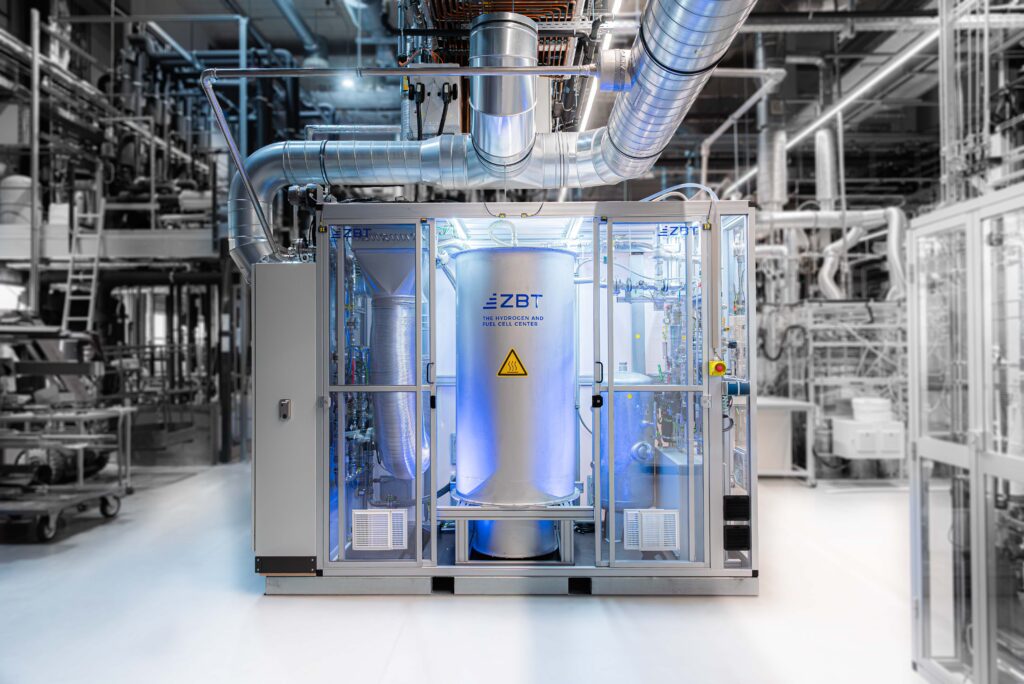
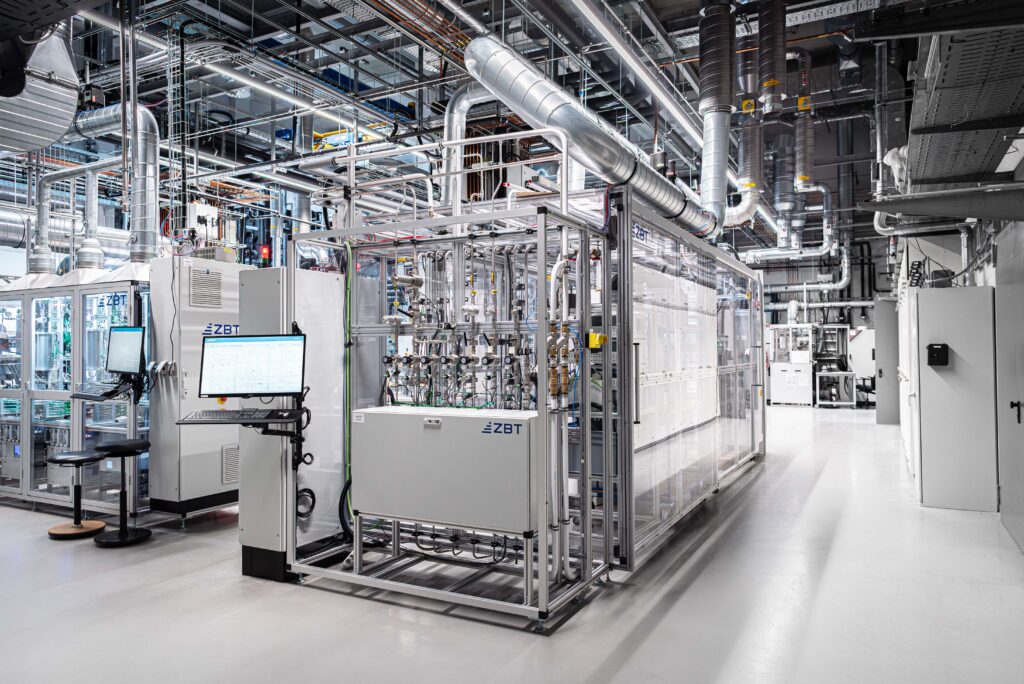
To evaluate the newly developed coatings, coated and uncoated test specimens are examined on a specially developed permeation test stand and the permeation rates are determined. In order to be able to assess the mechanical stability and sealing effect of the coated materials in practice, the scientists are also adapting methods for measuring the compression set (DVR). In addition, the project partners are developing test protocols to validate the coated seals later under real operating conditions in fuel cells.

In the H2Coat project, the partners are pooling their expertise in materials technology and fuel cell development. Rhenotherm Mini Parts develops and investigates suitable coating systems, evaluates their adhesion and barrier effect and later transfers the process to real fuel cell components. The ZBT provides test specimens and bipolar plates with seals, carries out permeation and DVR measurements and tests the coated seals in fuel cells under real operating conditions. The results are compared with reference stacks in order to evaluate the effect of the coating on performance and ageing.

With the development of the H2Coat special coating, the project partners are making an important contribution to the economic and safe use of hydrogen in fuel cell technology. The significant reduction of hydrogen losses through silicone seals will increase the efficiency of fuel cells and create the basis for a broader industrial application – a step towards greater sustainability, safety and competitiveness in fuel cell technology.
PROJECT INFO

Project title:
Development of a new type of special coating for dispensed silicone seals on bipolar plates of fuel cells

Project acronym: H2Coat

Funding: This project is funded by the Federal Ministry for Economic Affairs and Energy as part of the Central Innovation Program for SMEs (ZIM).

Approval period: 1. July 2025 – 30. June 2027

CONTACT

Project manager

Salman Fettah
+49 203 7598 1170
Businessportrait eines jungen Wissenschaftlers

Other current projects

Discover more