LHYVE-Cycle – Intelligent maintenance concepts for hydrogen-bearing systems
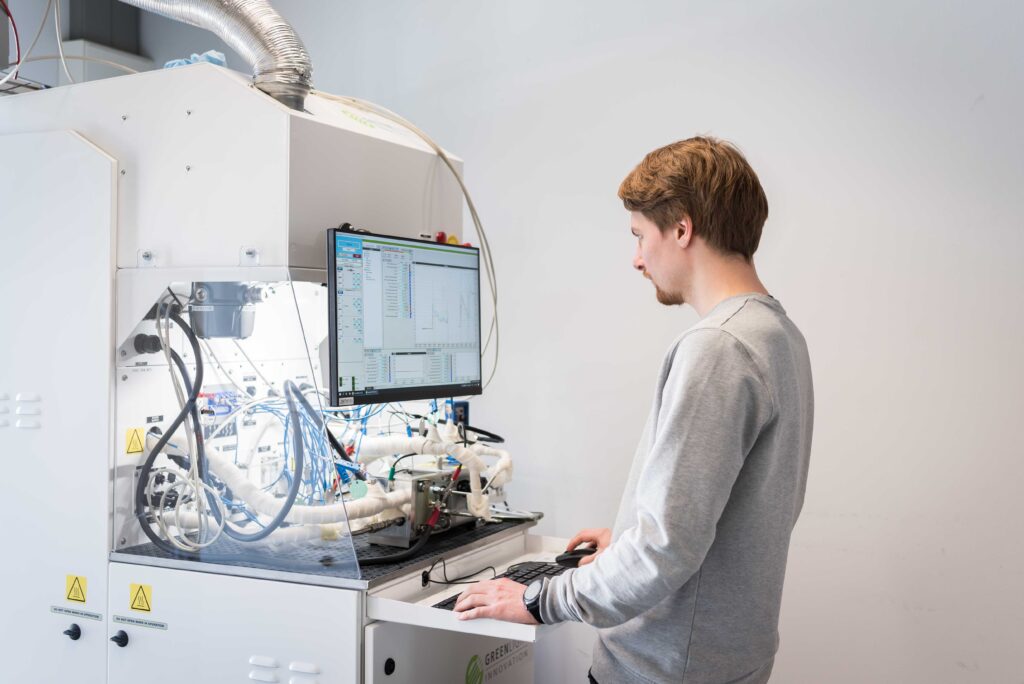
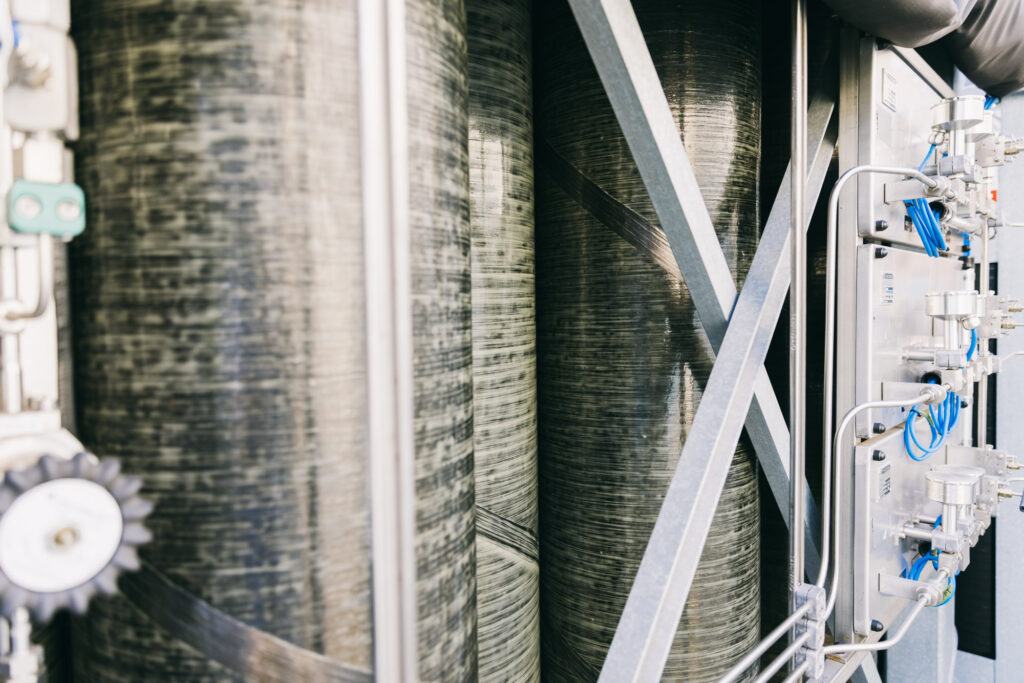
The partners in the LHYVE-Cycle project are developing an innovative system for flushing hydrogen tanks to make the commissioning and decommissioning of hydrogen systems safer, faster and more economical.
The utilisation of hydrogen systems in applications such as heavy-duty vehicles, as well as for the transport of hydrogen, requires safe and cost-effective maintenance and repair processes. In particular, working with hydrogen storage systems and fuel cell systems presents new technical challenges for workshops, operators and manufacturers.

Media
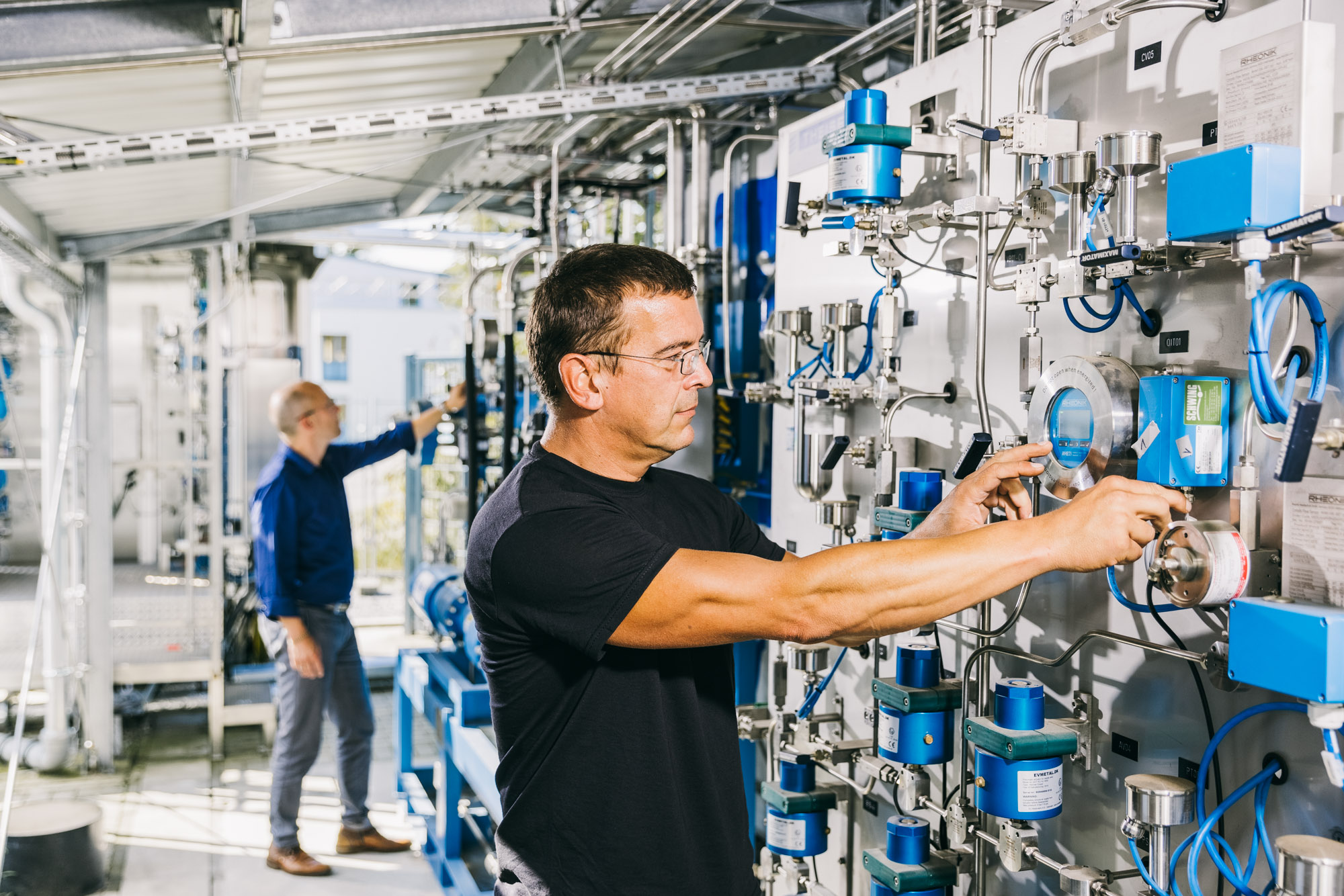
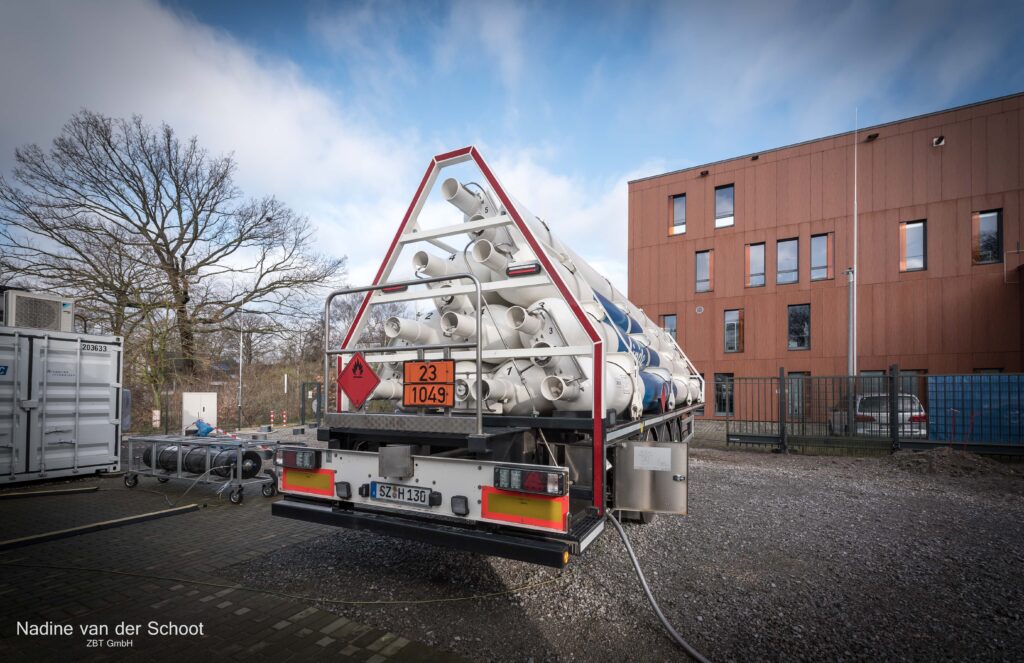
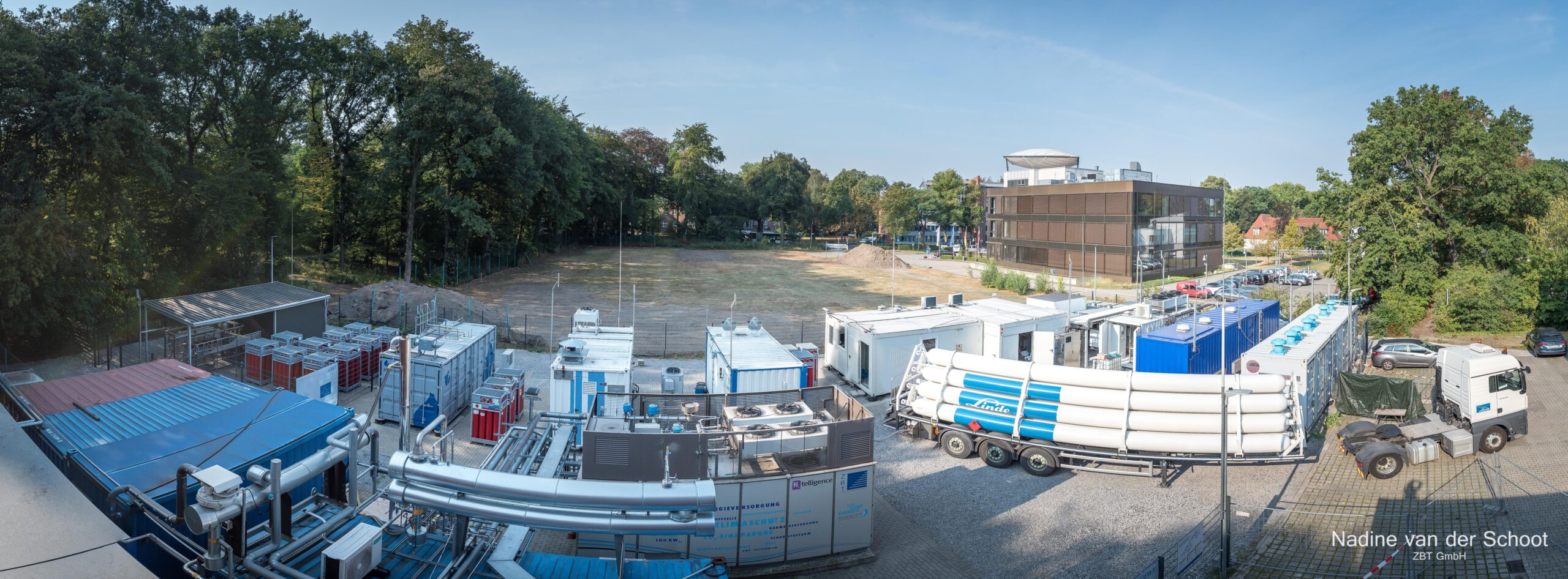
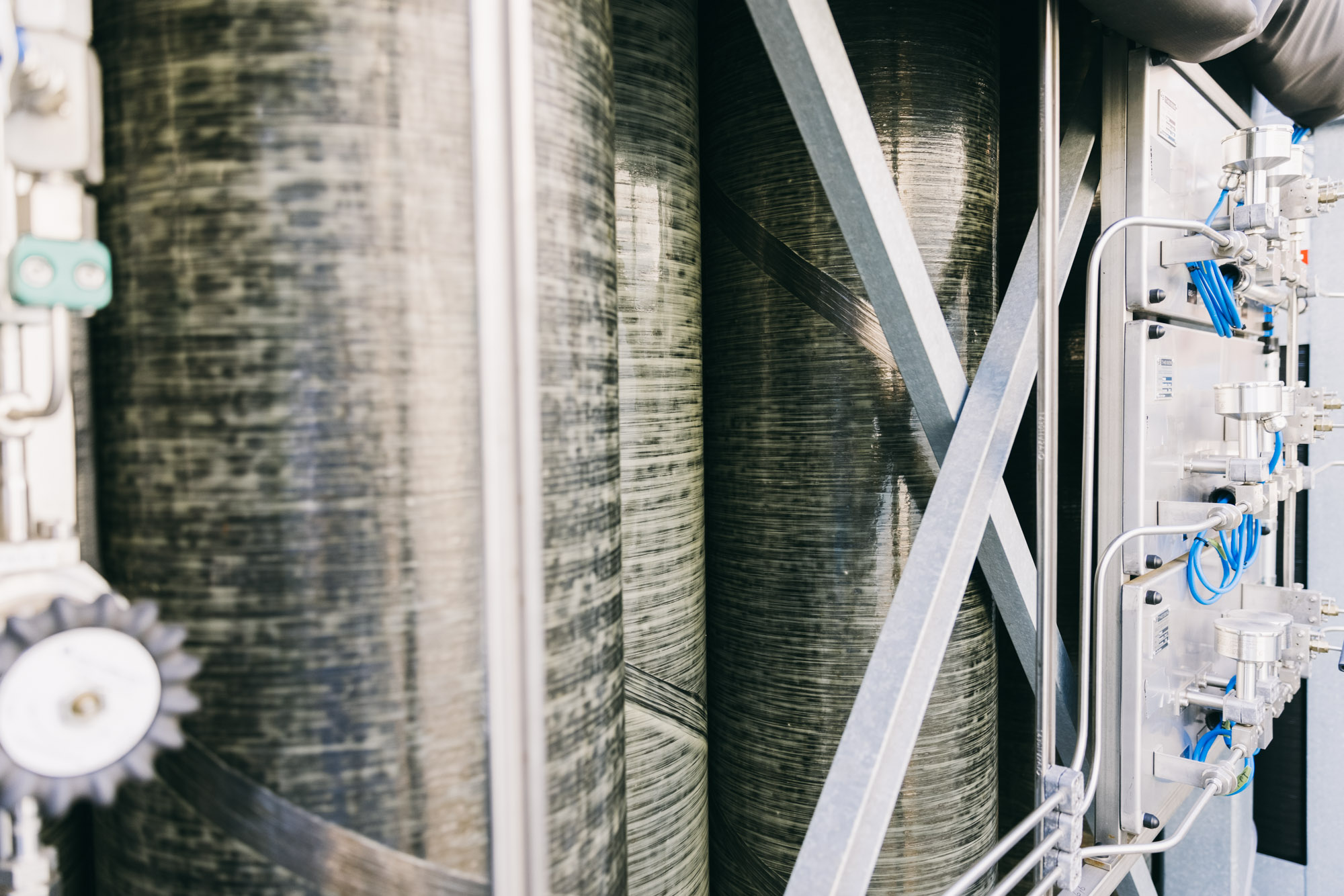 As part of the RHeaDHy project, a hydrogen refuelling station is being set up at the ZBT’s hydrogen test field for testing purposes and to validate the refuelling line.
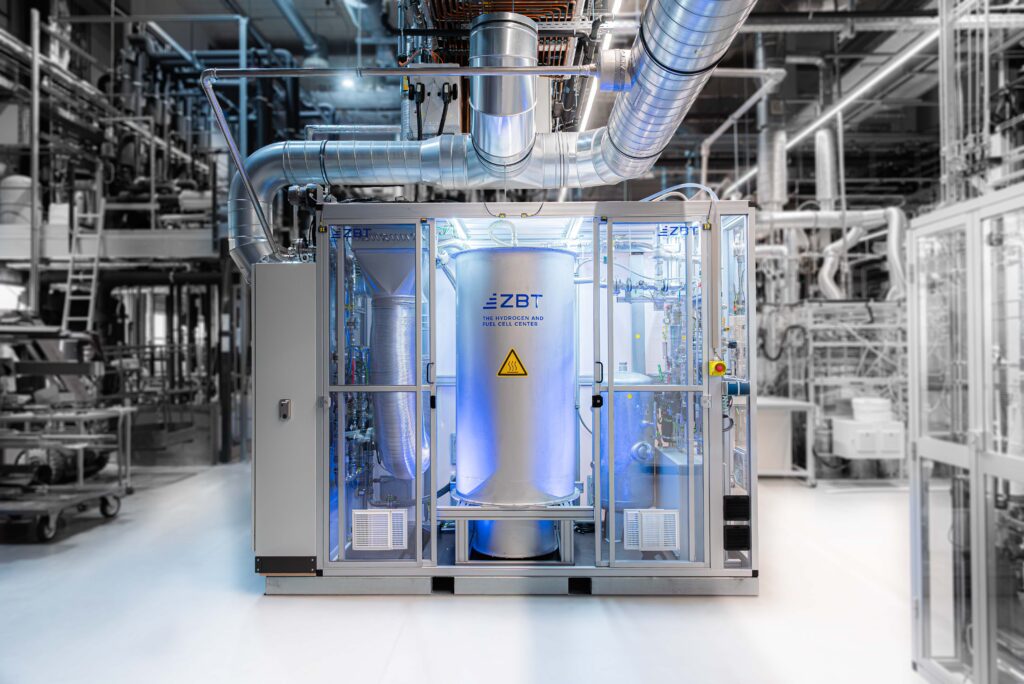
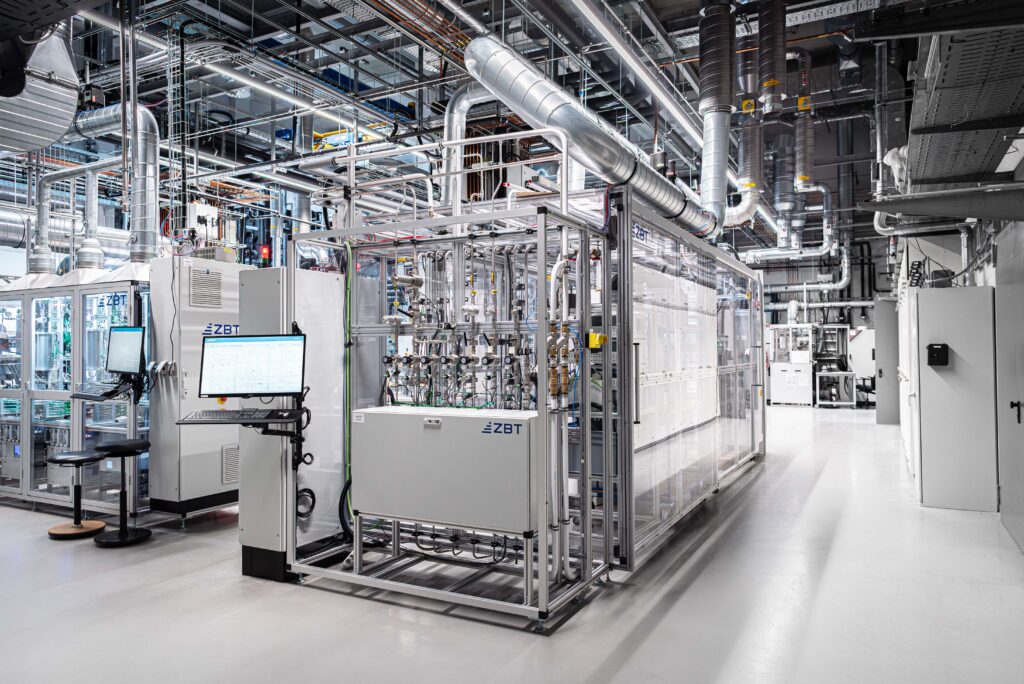
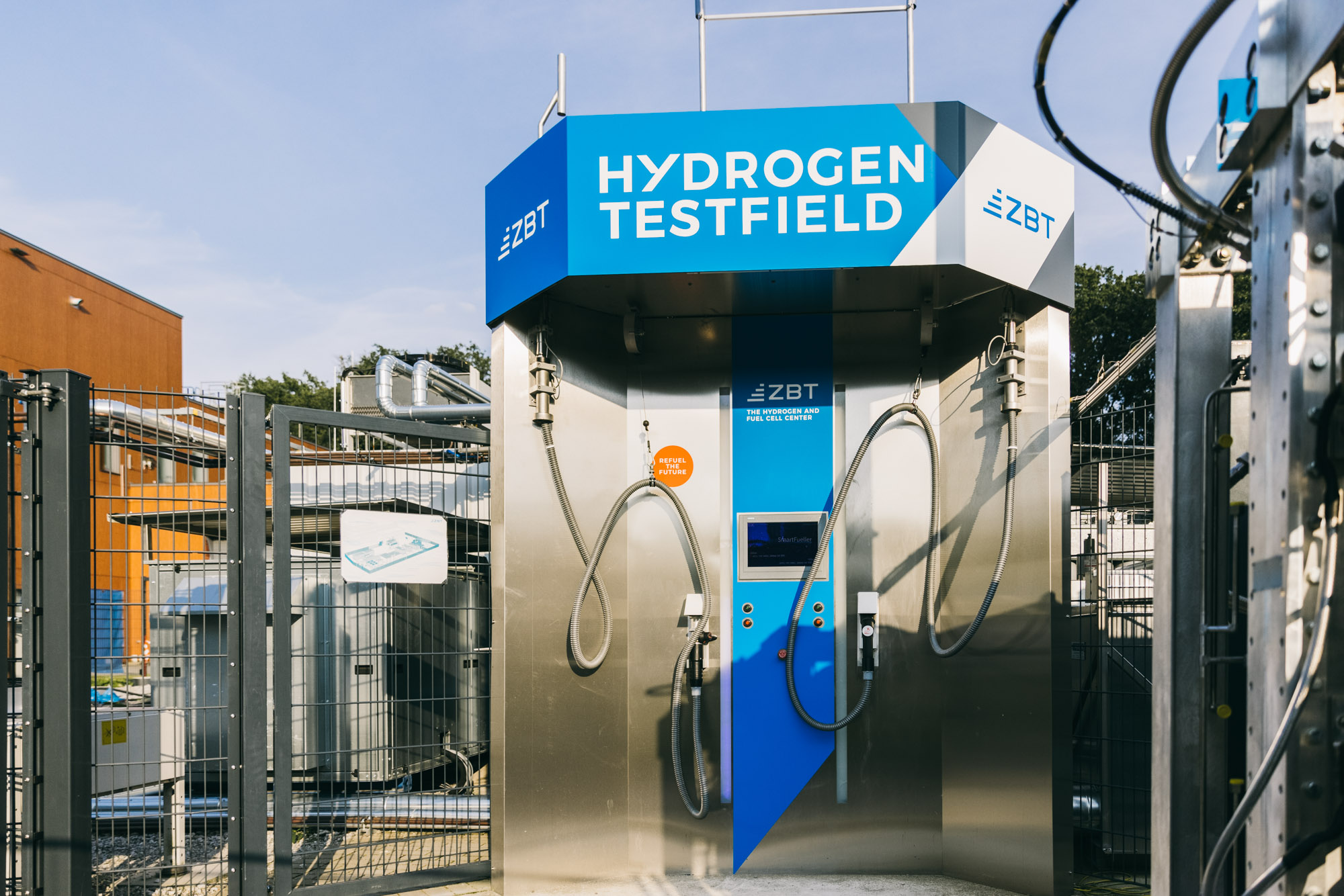 Hydrogen technologies are being tested at system scale at the ZBT’s hydrogen test site.