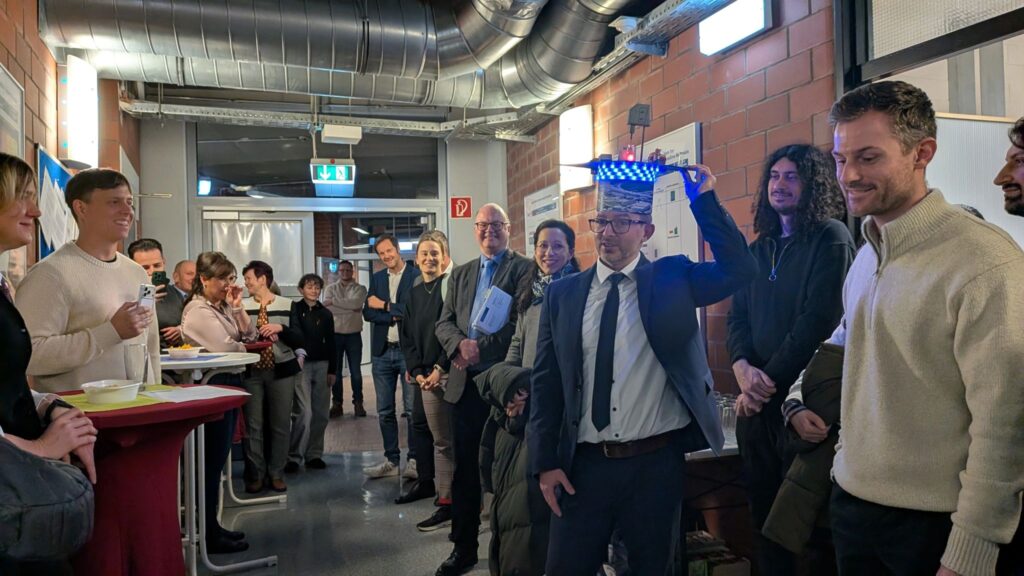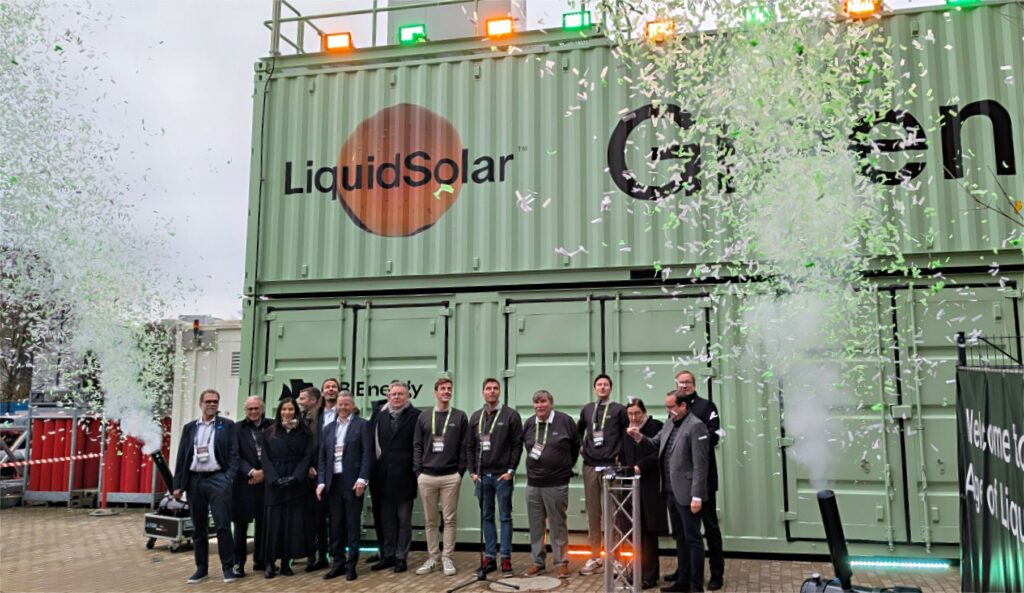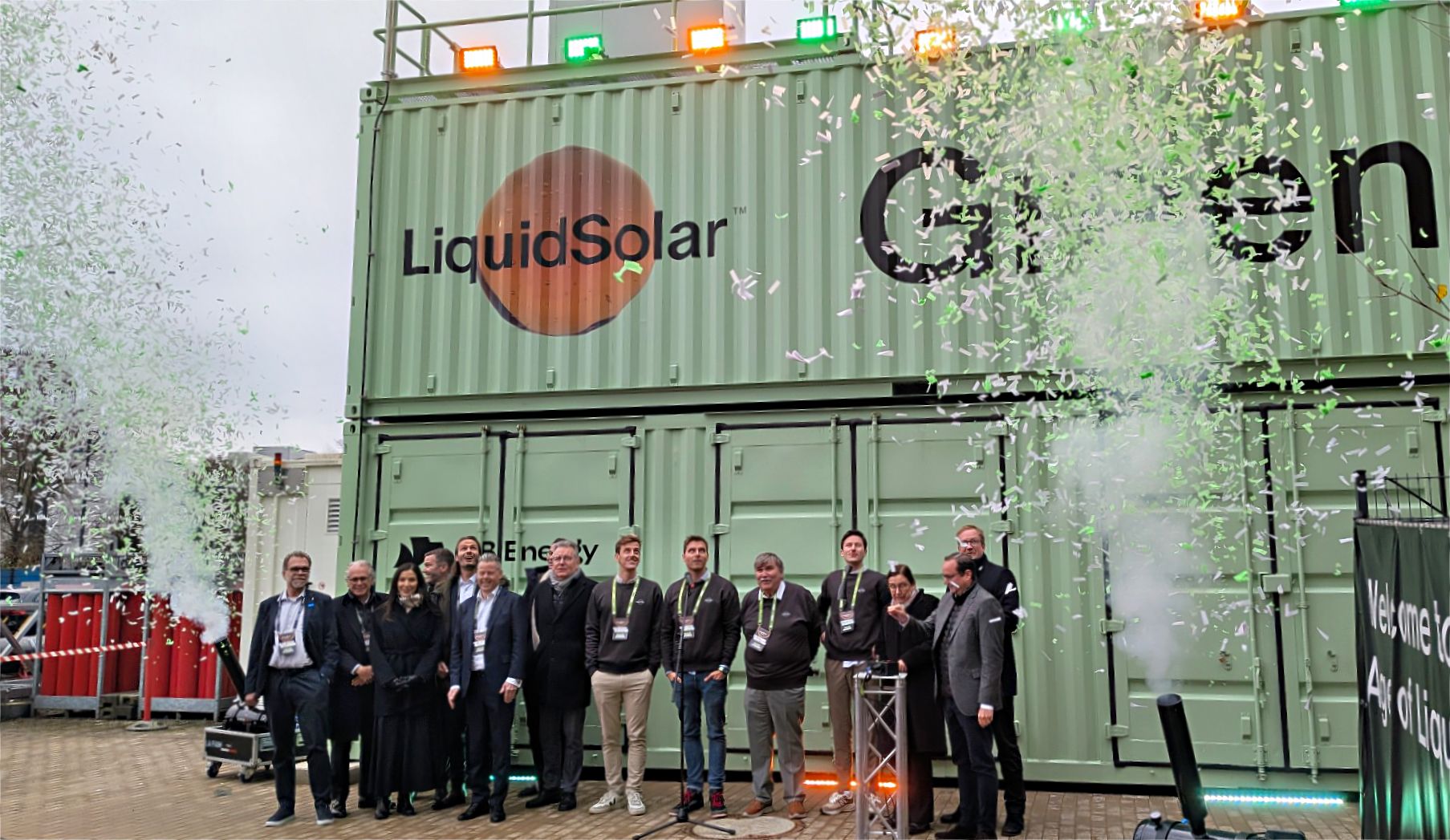
Ceremonial inauguration of the new Greenlyte direct air capture plant at the hydrogen test field

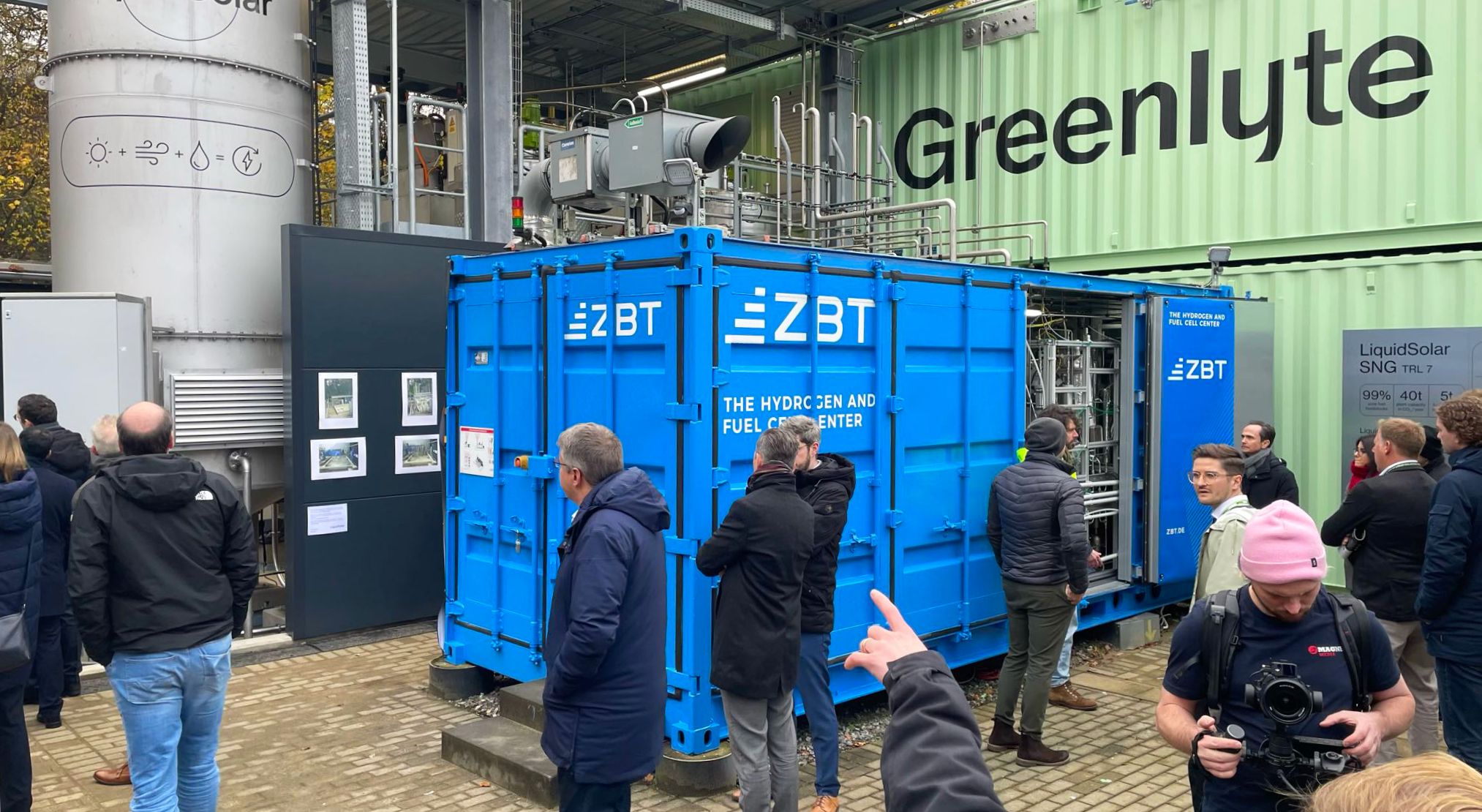
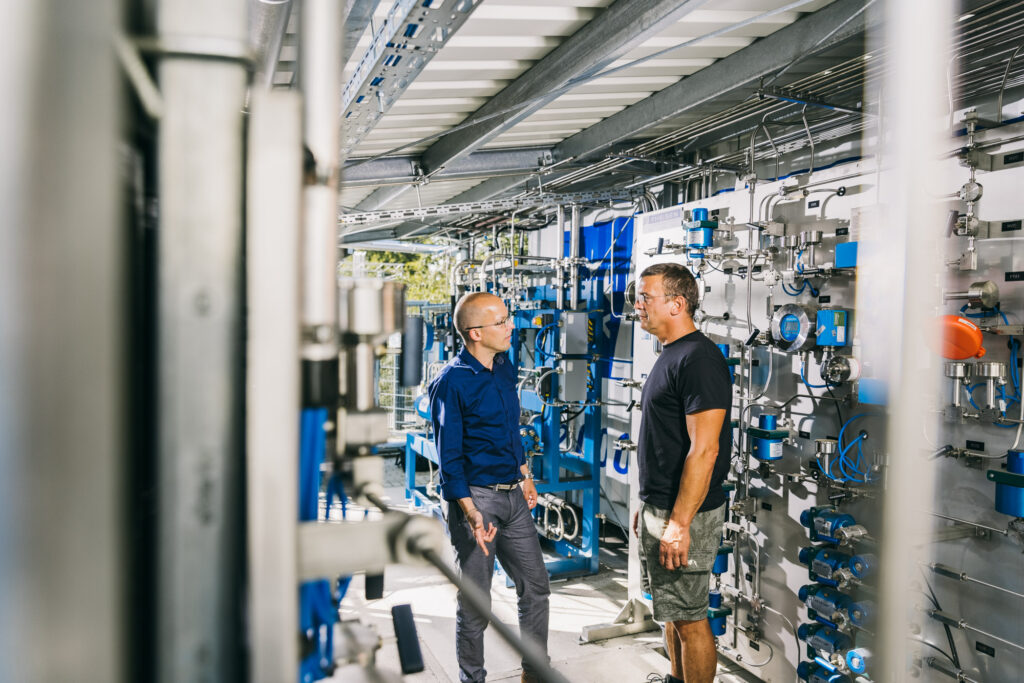
With the official inauguration of the new direct air capture (DAC) plant, Greenlyte Carbon Technologies and ZBT – The Hydrogen and Fuel Cell Center have reached an important milestone in the development of an infrastructure for green molecules and synthetic energy sources from renewable sources. Within a few months, an innovative plant was built at the hydrogen test field in Duisburg that can separate around 40 tonnes of CO₂ from the ambient air each year – an important step towards industrial market maturity.

High-ranking guests from politics, business and science

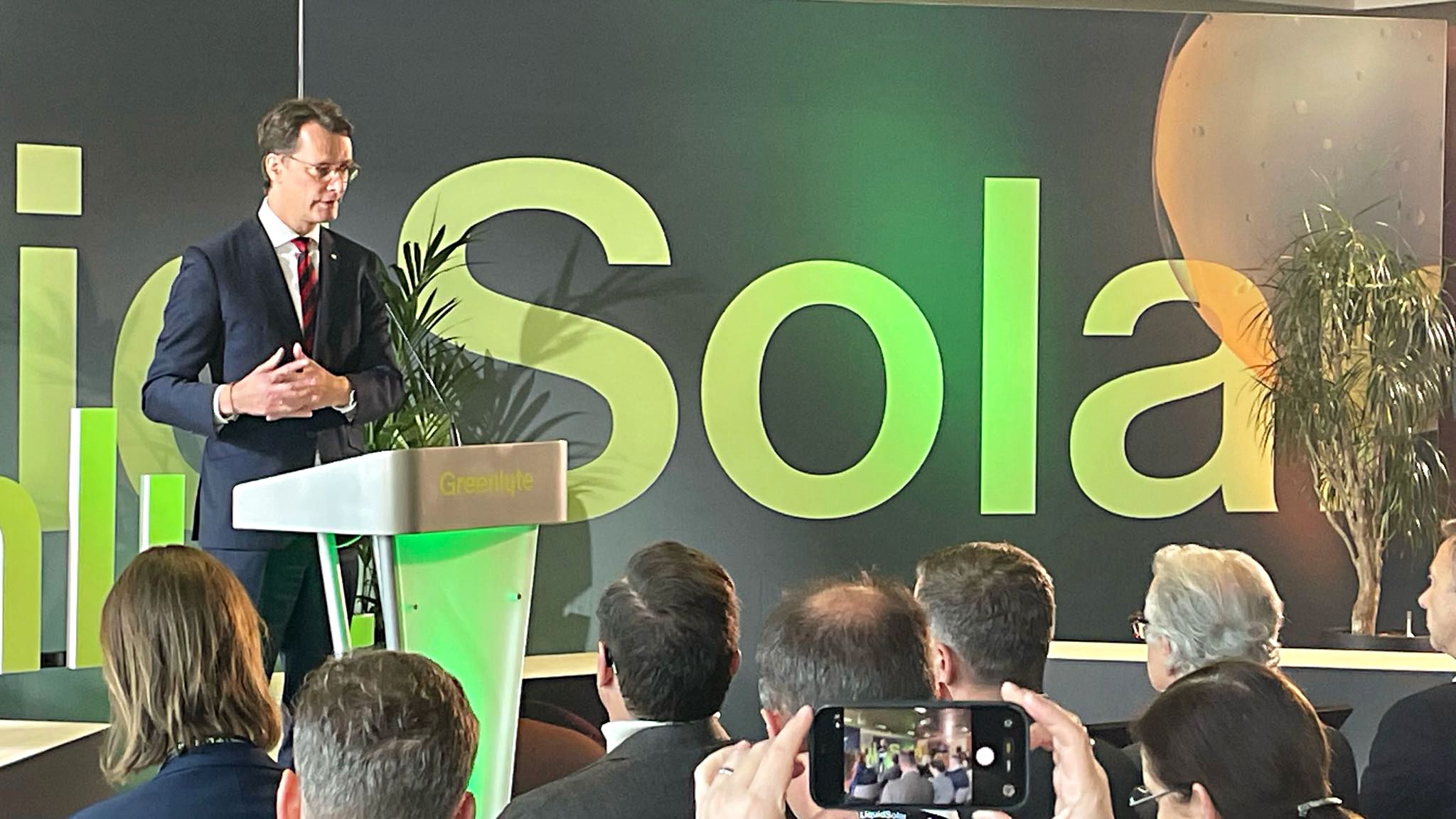
The inauguration ceremony on 20 November 2025 attracted a great deal of attention. In his laudatory speech, North Rhine-Westphalia’s Minister President Hendrik Wüst praised the growing importance of carbon dioxide removal technologies and green molecules for climate protection and security of supply. Essen’s Mayor Thomas Kufen performed the symbolic start-up of the plant.

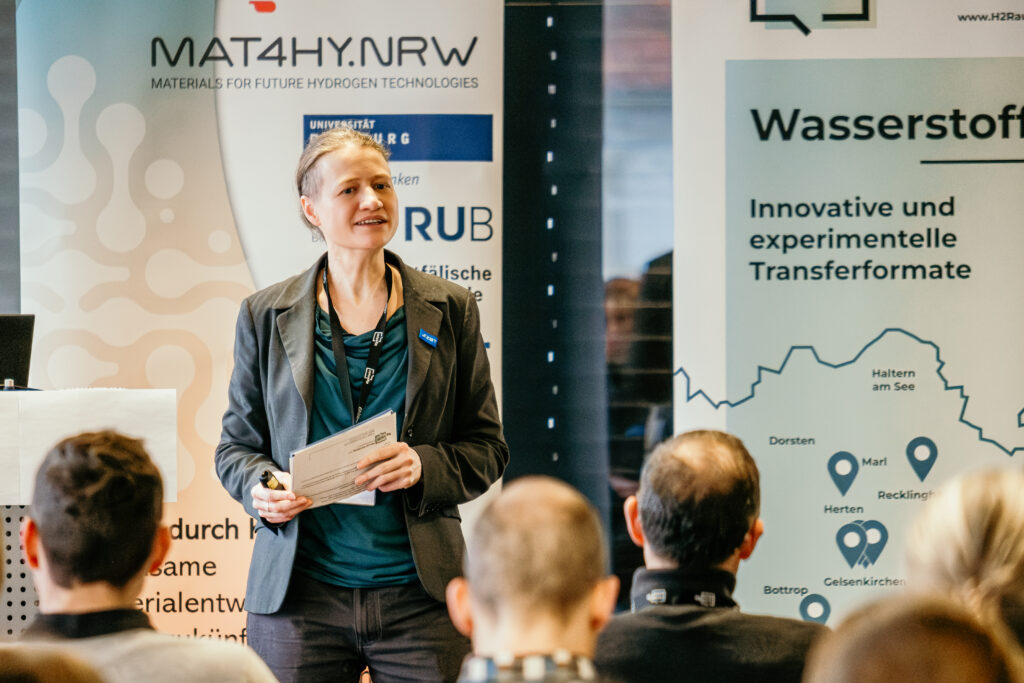
The University of Duisburg-Essen was also prominently represented: Prof. Barbara Albert, Rector of the UDE, and other representatives from science, politics and business discussed the role of research-based partnerships in the energy transition on the podium.

Combining two key technologies: from CO₂ and hydrogen to SNG

The new DAC plant is directly connected to the existing methanisation plant at ZBT. The separated CO₂ and the hydrogen produced as a process gas are immediately converted into synthetic natural gas (SNG / CH₄). This produces up to five tonnes of synthetic methane per year, powered entirely by renewable electricity.

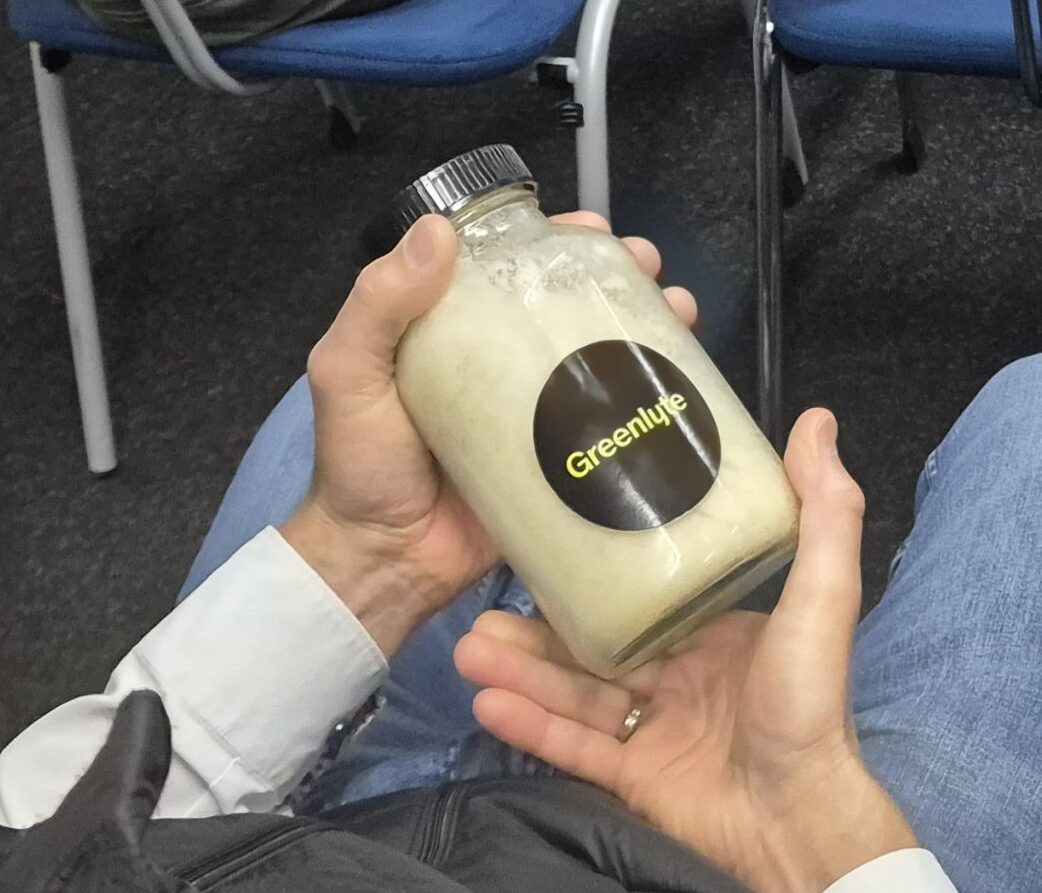
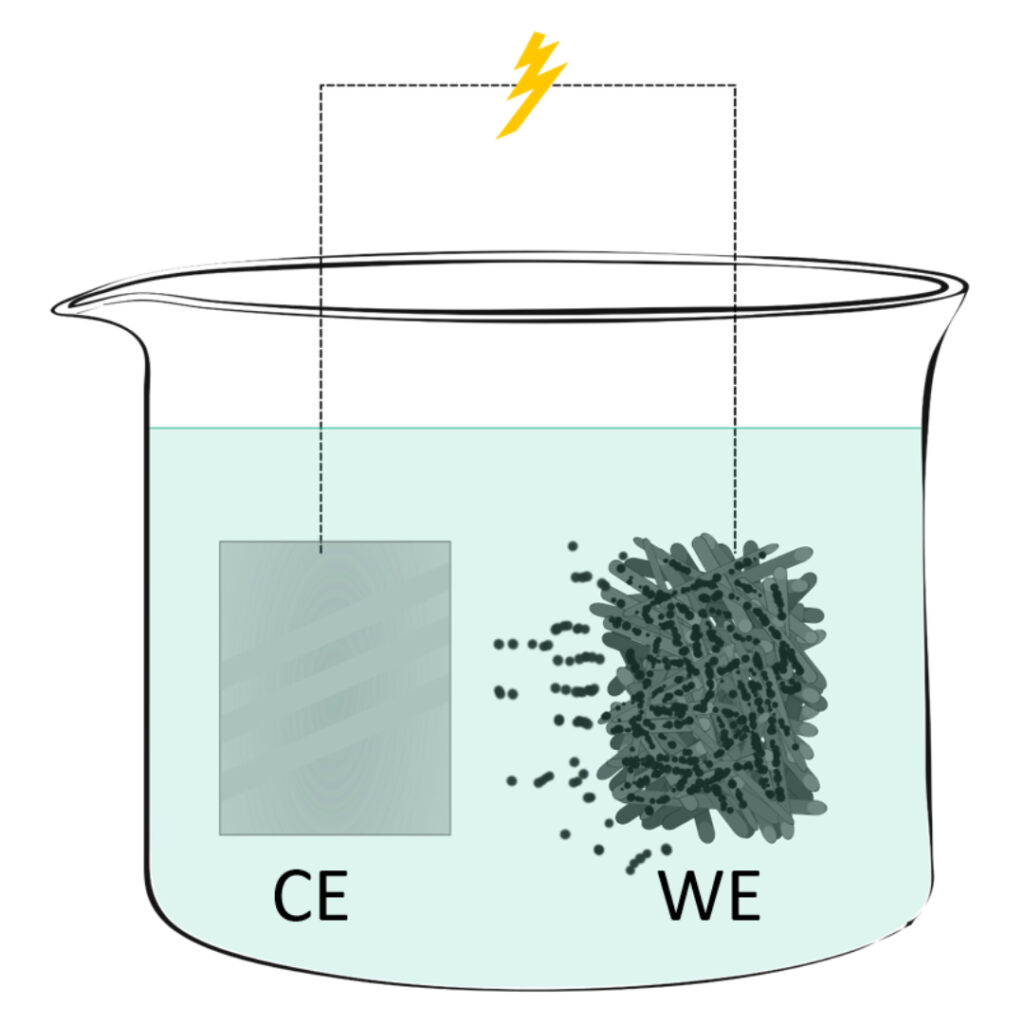
Greenlyte’s ‘LiquidSolar’ technology serves as a modular platform: in the future, it will not only be able to provide SNG, but also other CO₂-neutral energy sources, such as e-methanol or sustainable aviation fuel (e-SAF).

Review: The CDR Experience Tour visits ZBT

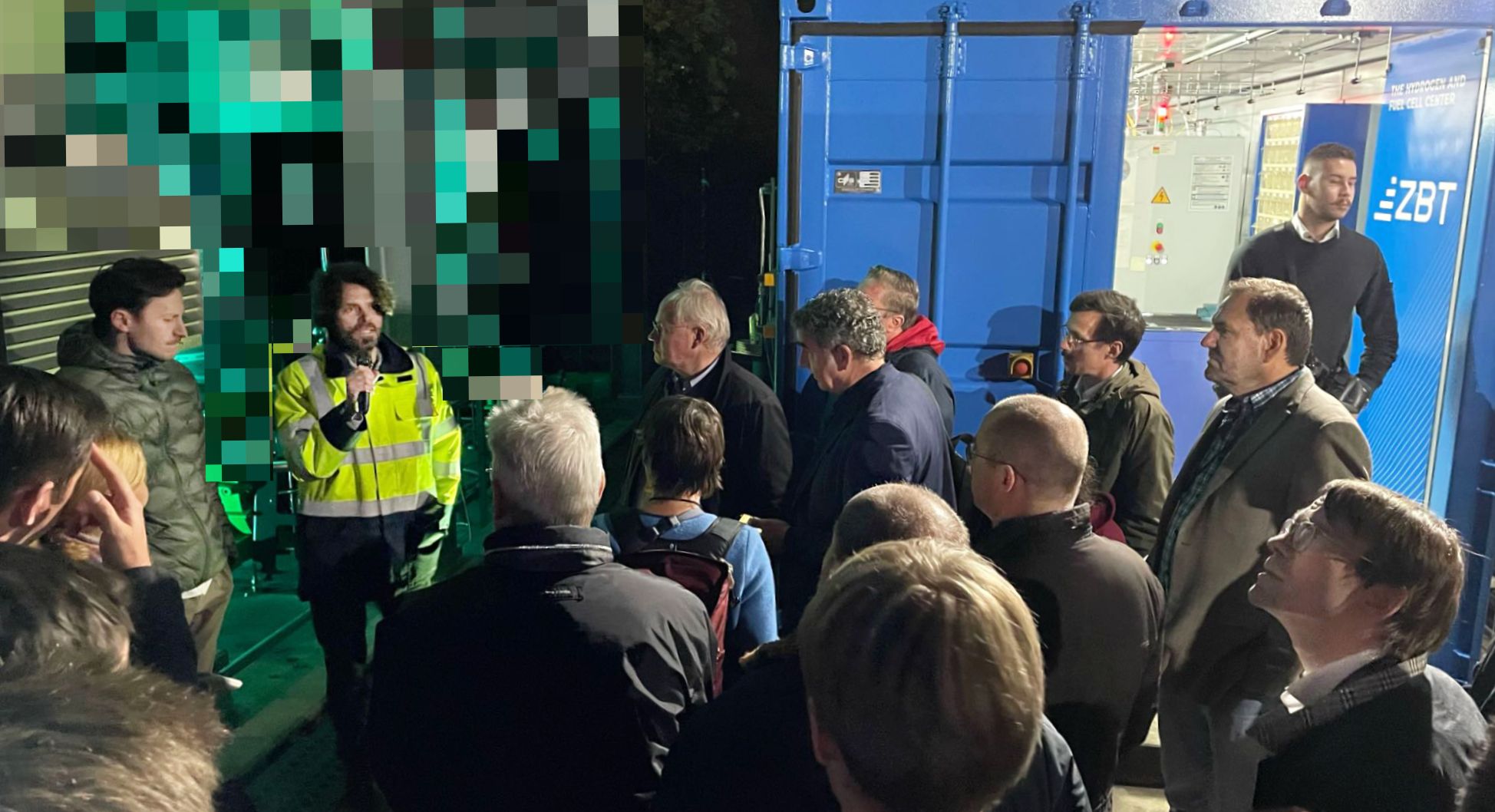
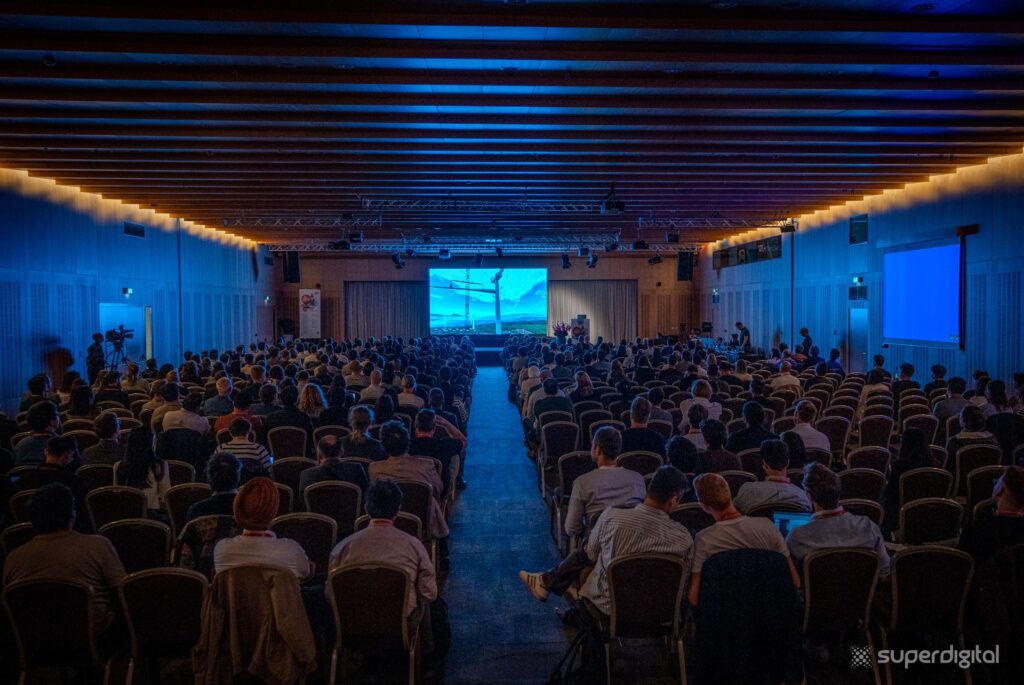
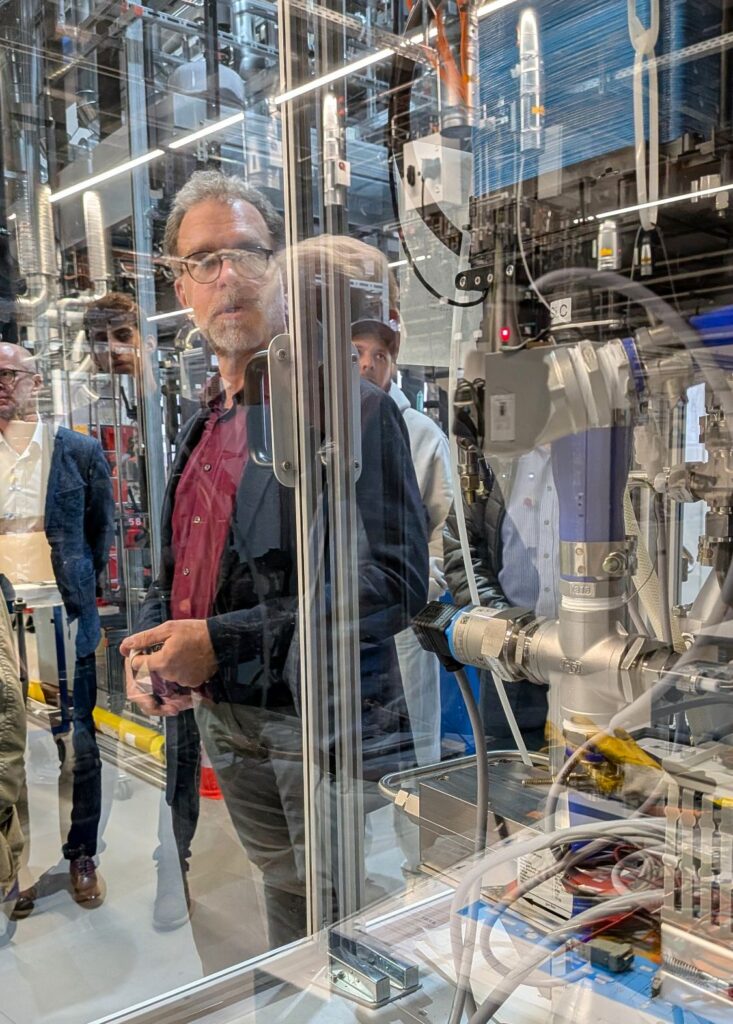
In the run-up to the official inauguration, the ‘CDR Experience Tour’ organised by the German Association for Negative Emissions (DVNE) and the non-profit organisation remove stopped off in Duisburg. Members of the Bundestag, decision-makers from the business community and researchers were given an insight into the plant design and the technological vision.

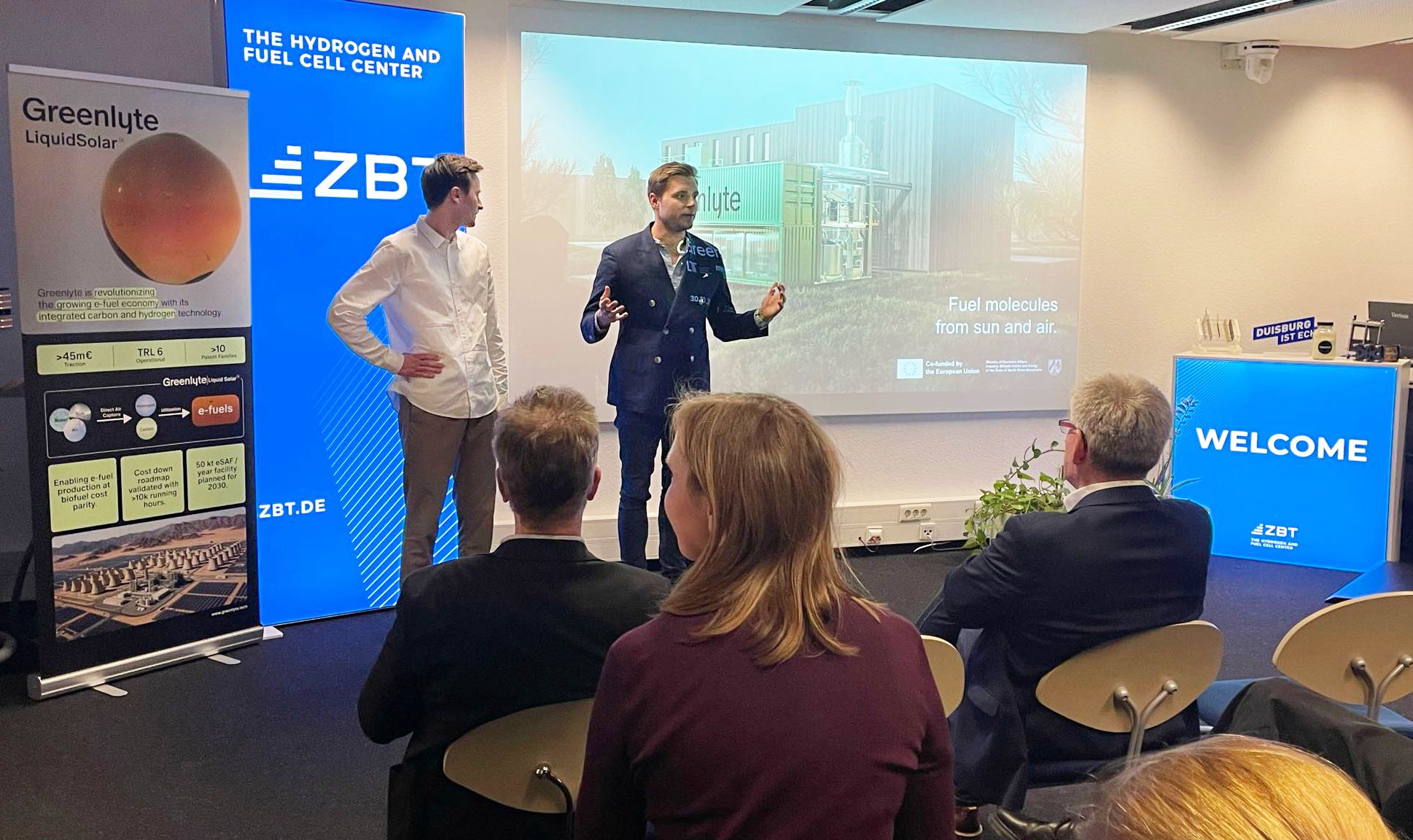
The event partners emphasised the particular importance of a strong, innovation-oriented ecosystem and at the same time provided an insight into the technological basis of the project:

  • Dr Martin Schmickler and Florian Hildebrand (Greenlyte) explained the underlying technology and gave a concise technical introduction to how the plant works.
  • David Schick (MWIKE NRW) underlined the role of public funding in technological breakthroughs.
  • Dr. Bernhard Gilleßen (Project Management Jülich) emphasized the value of project support throughout the entire funding process
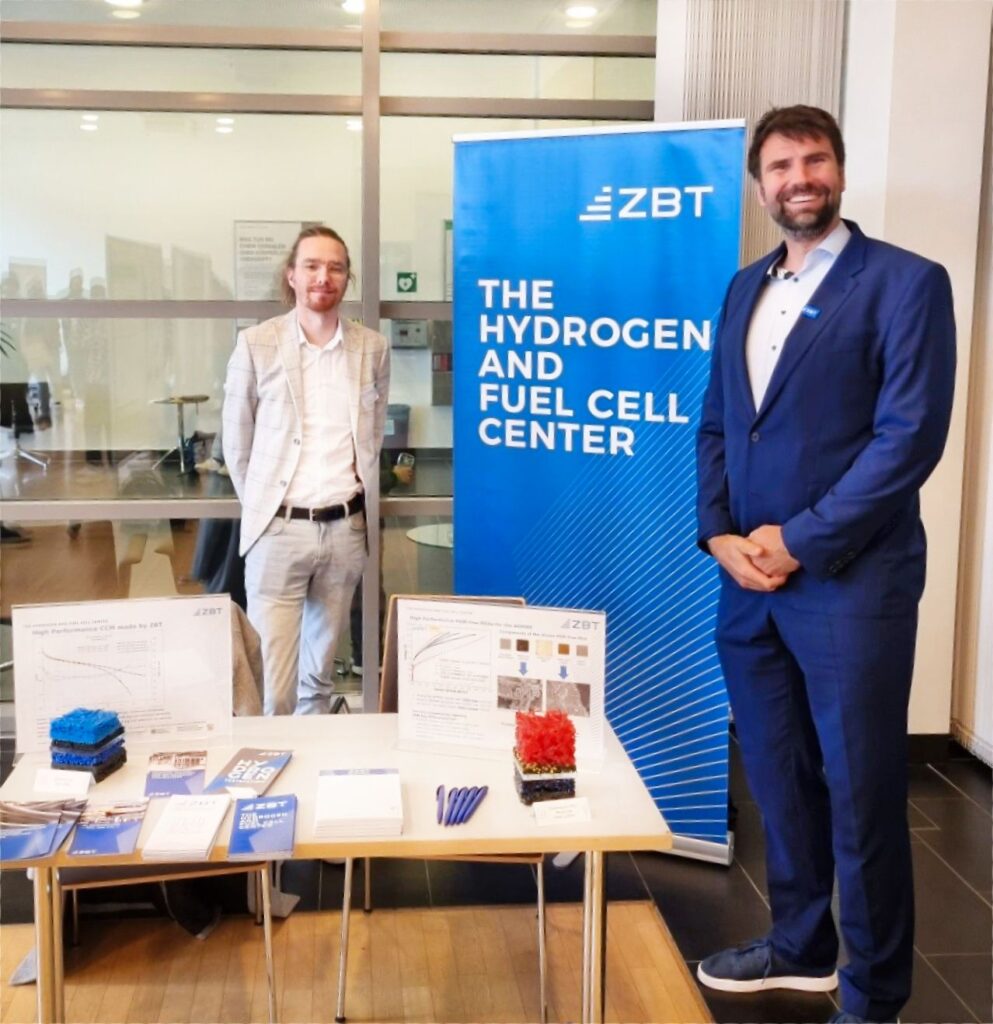
  • Dr Peter Beckhaus (ZBT) emphasised the close technical exchange with Greenlyte and the importance of joint research for the further development of the technology.

Thanks to this close cooperation, the plant was designed and developed in less than six months and then built in less than three months – an exceptionally rapid technological advance.

Partnership-based research for market entry

The commissioning marks the start of an intensive research phase in which Greenlyte and ZBT will further optimise the technology and investigate its scalability. The plant in Duisburg represents the final decisive step before the commercial launch of the LiquidSolar platform and demonstrates the potential of DAC-based value chains for green molecules.

The project is funded by the EFRE/JTF in North Rhine-Westphalia and the Ministry of Economic Affairs, Industry, Climate Protection and Energy of the State of North Rhine-Westphalia.

Media

News from the ZBT

Current event tips