Finding New Materials for Electrolysis: North Rhine-Westphalia Supports the MAT4HY Collaboration Platform

MAT4HY.NRW brings together research institutes and industry partners to develop cost-effective materials for the mass production of hydrogen. The state of North Rhine-Westphalia is funding the project, in which the ZBT is also participating.

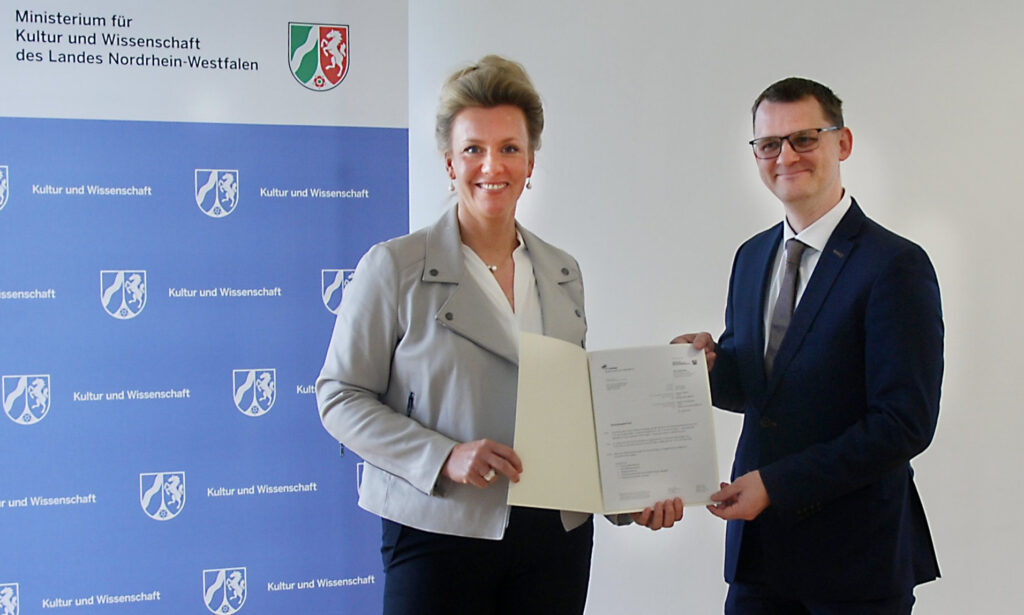
Ina Brandes, Minister of Science for North Rhine-Westphalia, has now presented Prof. Dr. Ulf-Peter Apfel of Ruhr University Bochum with the grant notification.

The Ruhr region is undergoing a structural shift from coal to hydrogen. However, producing hydrogen on a large scale via electrolysis currently still requires catalysts containing precious metals. The region possesses a wealth of knowledge and experience needed to develop the necessary new, cost-effective materials.

From the Idea to the Assembly Line

The goal of the Materials for Future Hydrogen Technologies platform, MAT4HY.NRW for short, is to develop electrochemically active materials that are suitable for large-scale industrial use due to their high availability. By replacing expensive precious metal based catalysts, the aim is to make the hydrogen production required for the energy transition scalable through electrolysis on a large scale.

MAT4HY.NRW is intended to map and connect the entire value chain of water electrolysis for the first time: from theoretical calculations that identify suitable material combinations all the way to the production-readiness of new materials and technologies. Since the platform involves relevant industry partners, material-specific or process-related challenges for companies are taken into account from the very beginning.

The consortium also aims to facilitate joint courses, continuing education programs, and commercialisation strategies covering all aspects of materials research for hydrogen production, with the goal of firmly establishing the relevant expertise in the region.
Consortium

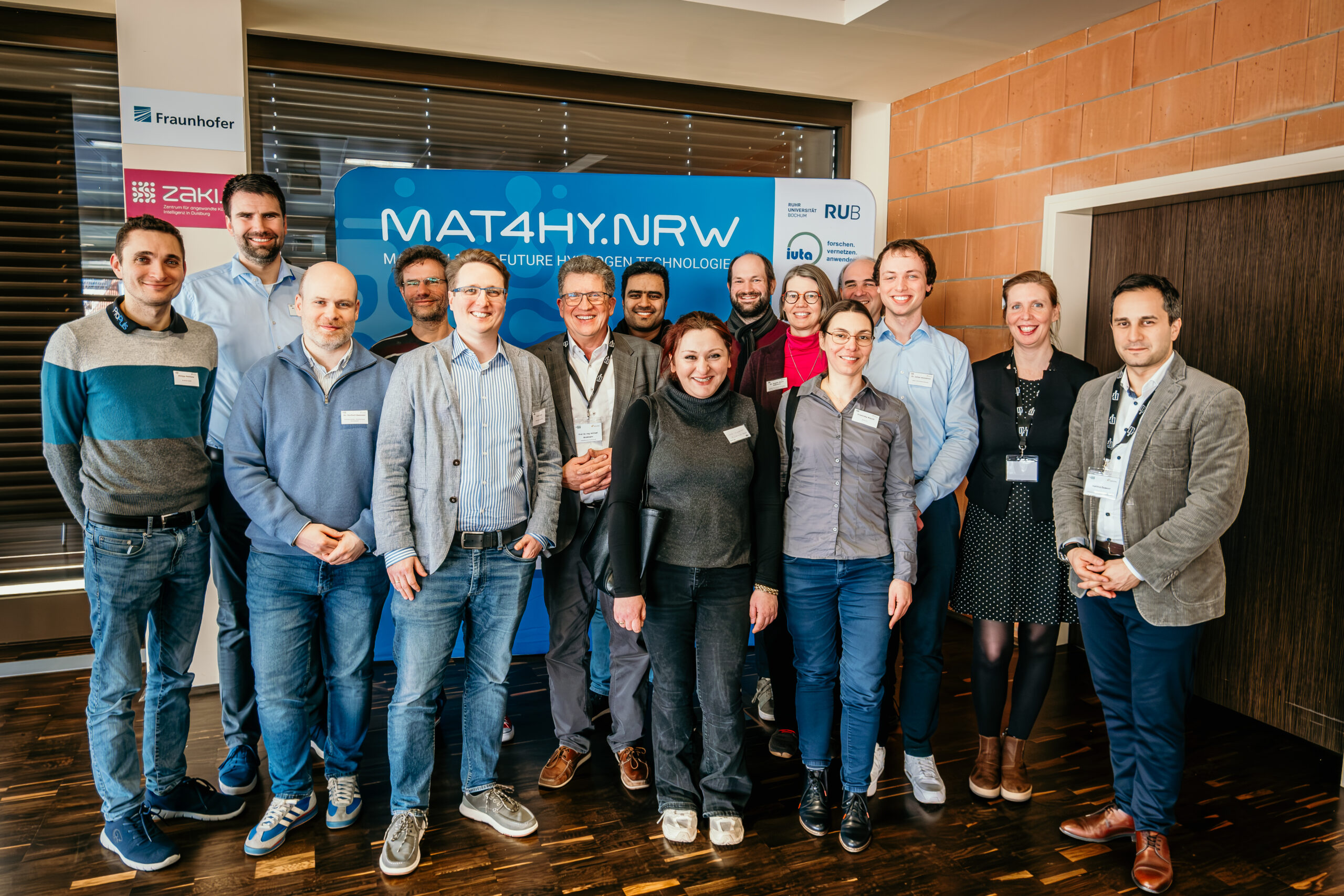
The consortium is led by Ruhr University Bochum. In addition, the University of Duisburg-Essen (UDE) and the Westphalian University of Applied Sciences, as well as the research institutes ZBT and IUTA and several members of CENIDE – the Center for Nanointegration Duisburg-Essen – play a key role in the collaborative platform.

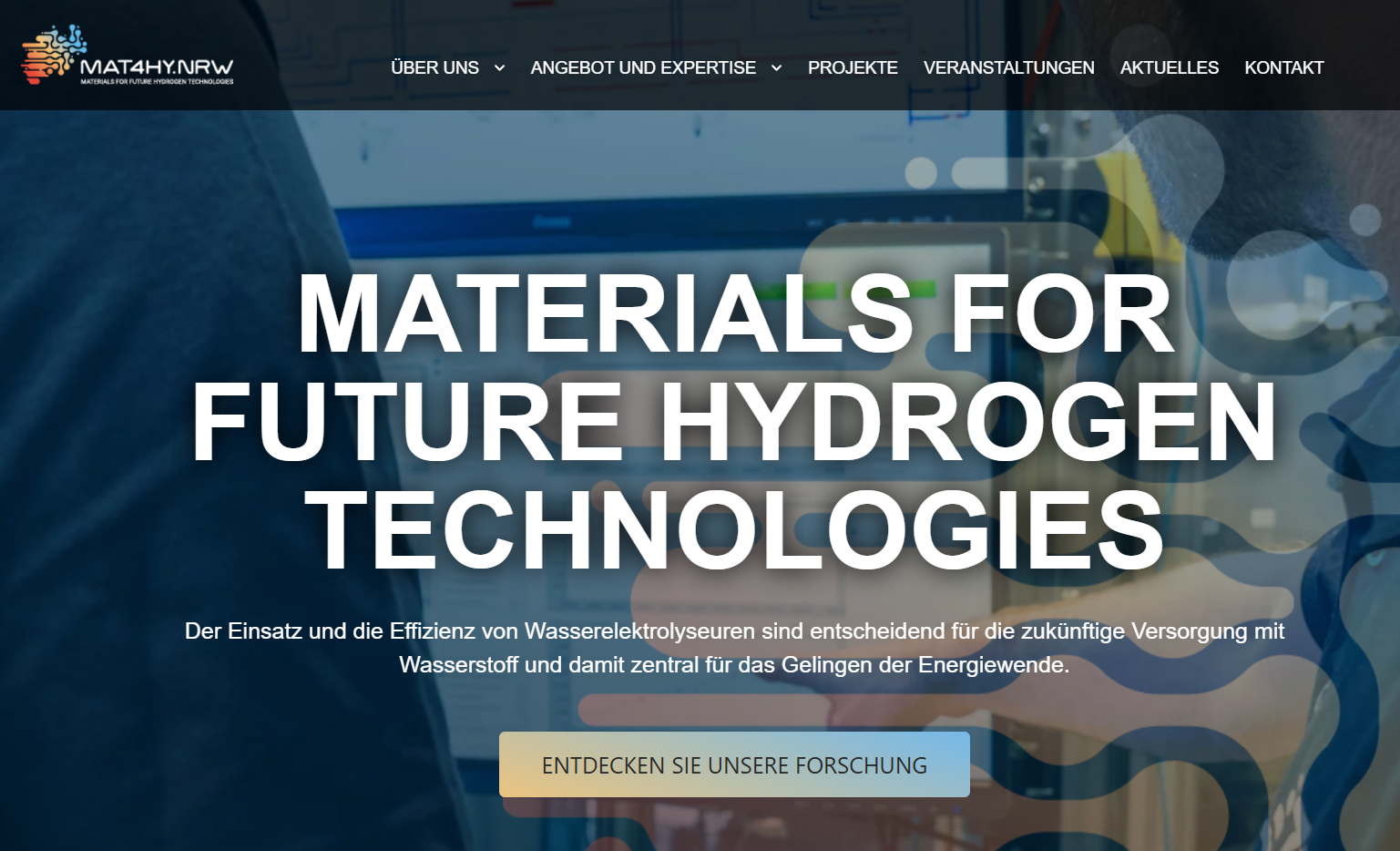
Mat4Hy Website

On the project’s website, you’ll find plenty of information about partners, activities, events, and much more.

Go to the Mat4Hy website

Contact

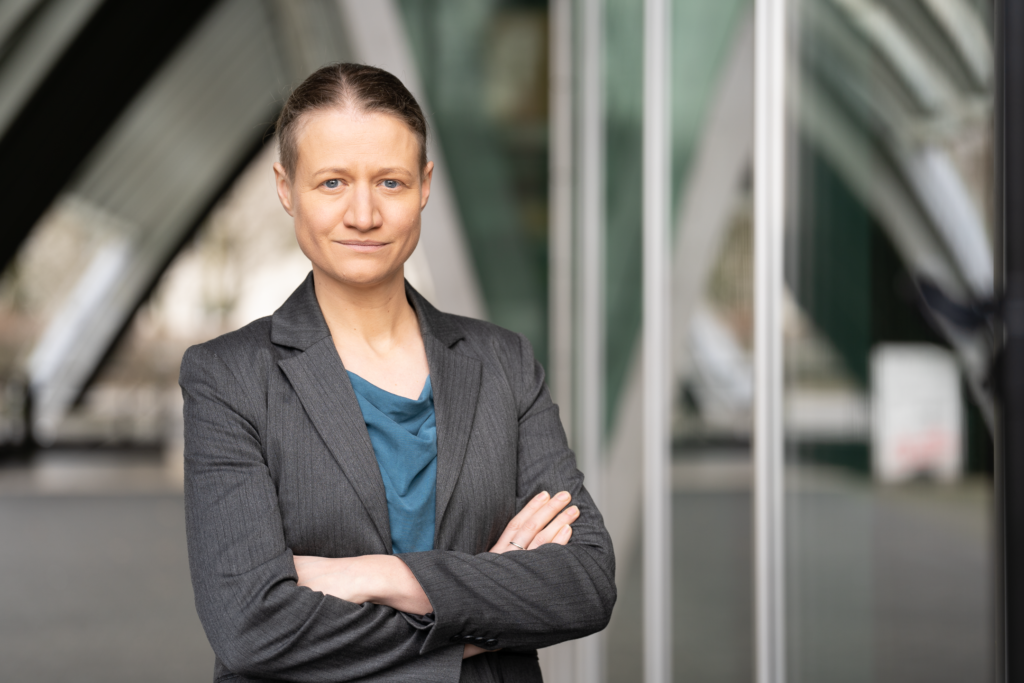
Dr. Theresa Schredelseker
+49 203 7598-3357

Further projects