EProBip – More Efficient Production of Graphite-Polymer Bipolar Plates for PEM Fuel Cells

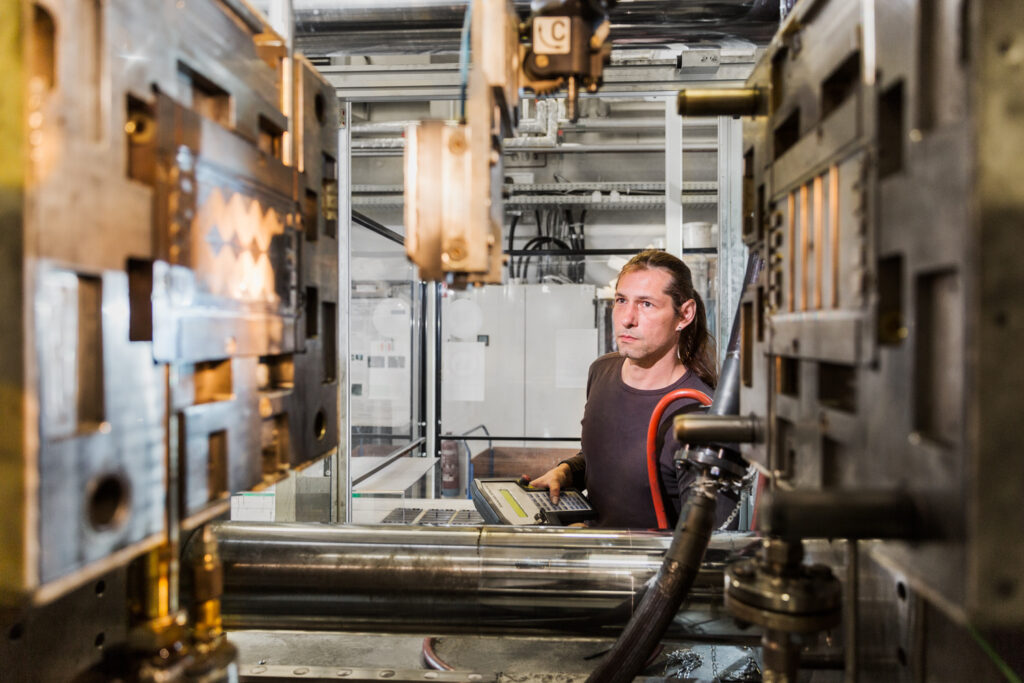
As part of the ZIM project EProBip, ZBT and ENTEX are developing new processes for manufacturing thin graphite-polymer bipolar plates for PEM fuel cells. The goal is to achieve a more cost-effective, material-efficient, and sustainable production of bipolar plates – in part through the use of planetary roll extrusion and recycled materials.
New Extrusion Processes for Key Fuel Cell Components

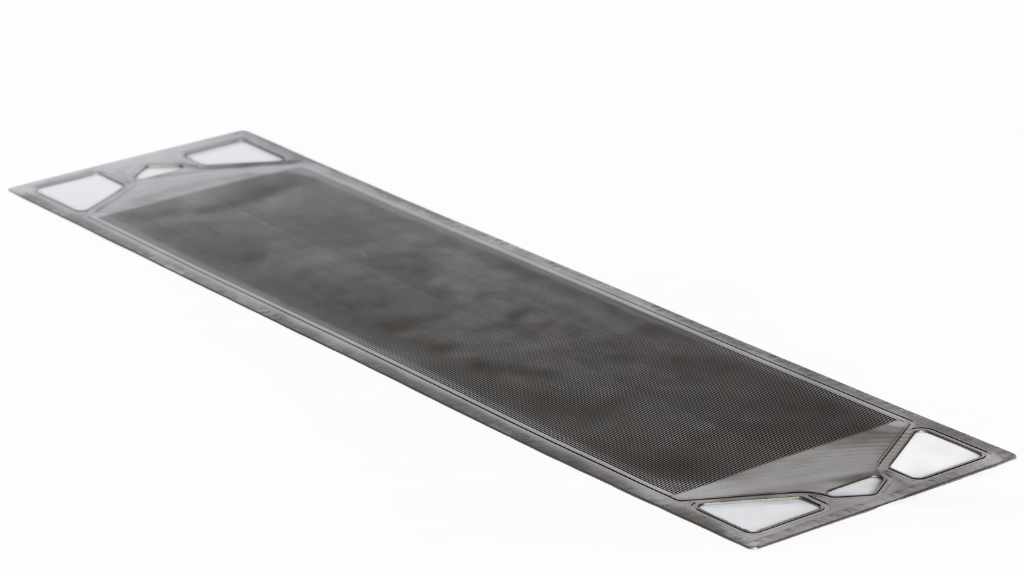
Bipolar plates are key components in PEM fuel cells. They influence the performance, cost, weight, and service life of the entire fuel cell system. With the increasing use of fuel cells in larger-scale applications – such as heavy-duty transportation, emergency power supply, or grid stabilisation – the need for efficient and scalable production processes is growing.

Currently, however, there are no suitable processes for manufacturing graphite-polymer bipolar plates in a cost-effective, reliable, and as defect-free a manner as possible. This is precisely where EProBip comes in: The project is investigating how highly filled, conductive graphite-polymer compounds can be produced in a particularly gentle and homogeneous manner using a planetary roller extruder.

Planetary roller extrusion and thin-film bipolar plates

As part of this project, ENTEX is developing a compounding process for highly filled, conductive PP compounds using a planetary roller extruder. This process offers particular advantages for processing graphite and polymer components: The fillers can be gently incorporated while minimizing damage to the polymer chains. This can improve material quality and lay the foundation for high-performance bipolar plates.

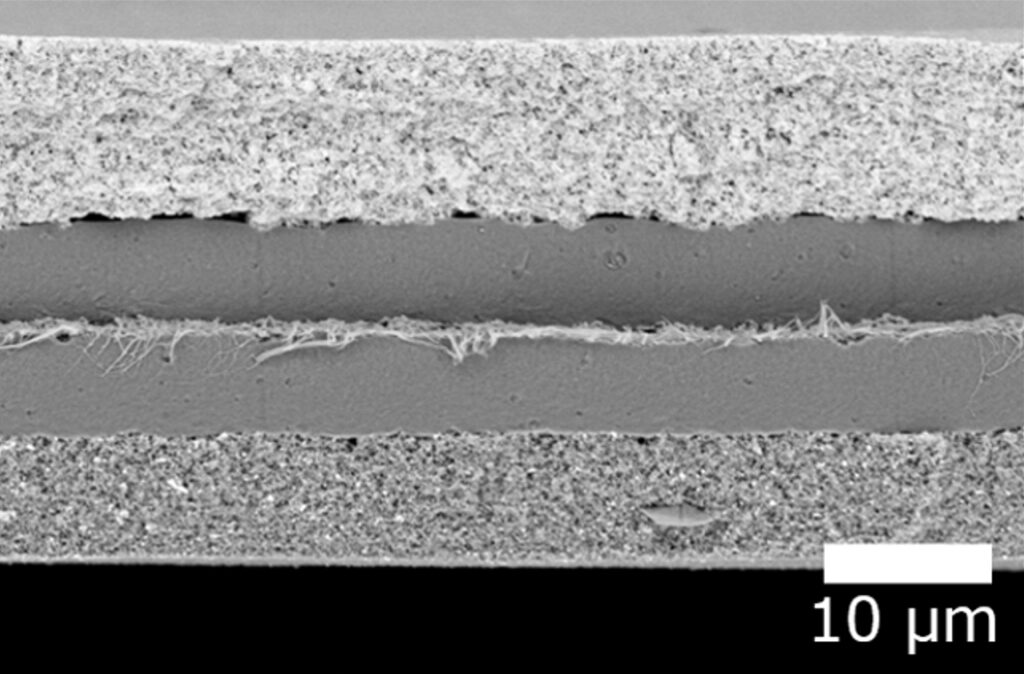
Building on this, the ZBT is developing a film extrusion process for the production of thin bipolar plates for PEM fuel cells. The project also focuses on the use of recycled materials. By incorporating higher proportions of recycled material, the goal is to utilise material resources more efficiently and reduce the carbon footprint of the bipolar plates.

You can learn more about our expertise in the development of bipolar plates and materials in the Development Services section.

About Our Development Services

Cost-Effective and Sustainable Fuel Cell Production

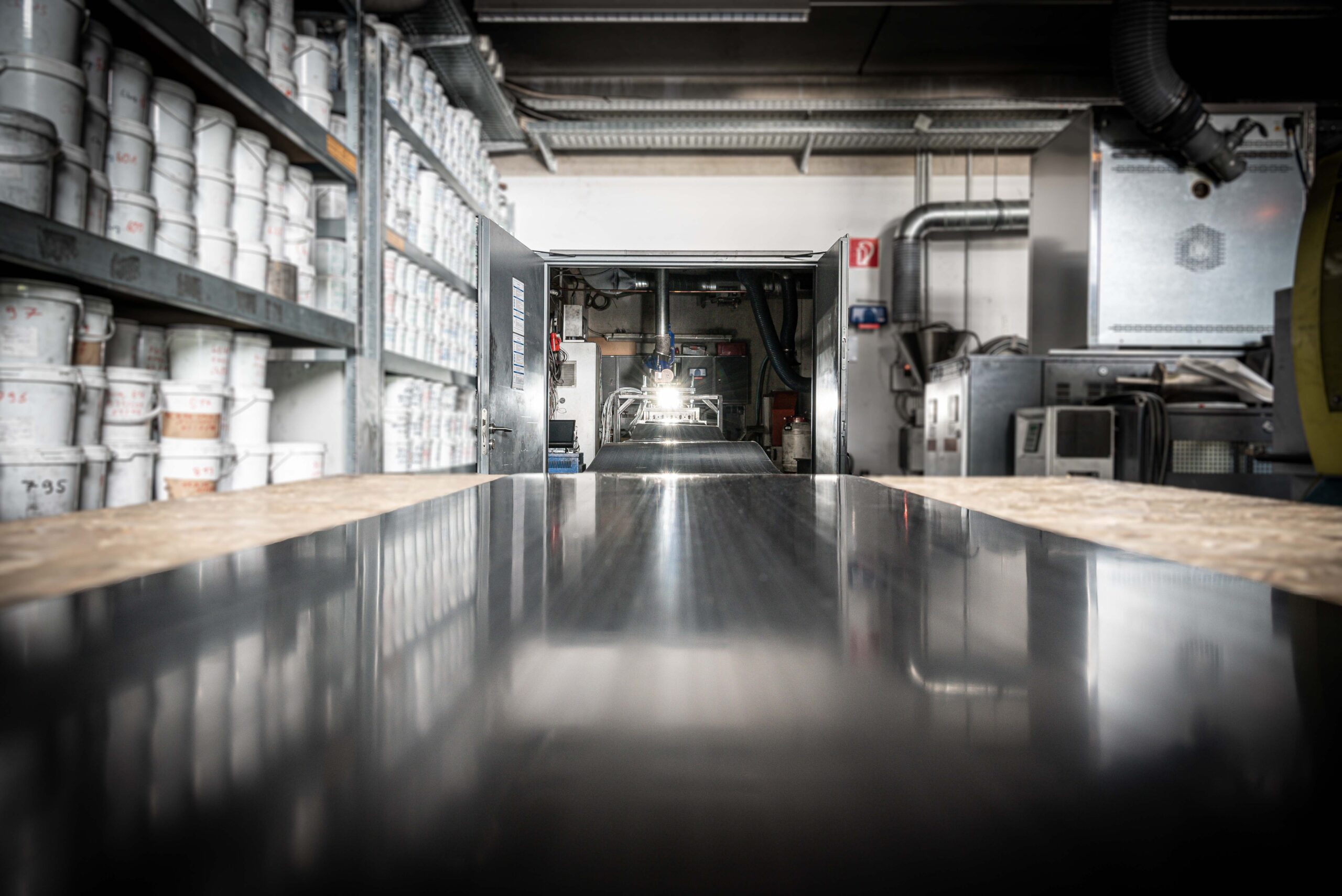
EProBip combines process engineering expertise from the field of extrusion machinery with the ZBT’s application-oriented fuel cell expertise. While ENTEX develops and optimises the compounding process on the planetary roller extruder, the ZBT contributes the requirements for bipolar plate materials for PEM fuel cells and manufactures thin bipolar foils on laboratory-scale extrusion lines.

The materials and films produced are tested at the ZBT with a focus on properties relevant to fuel cells. These include, among other things, electrical and thermal properties, as well as other requirements for bipolar plates used in fuel cells. In this way, EProBip aims to help make the production of graphite-polymer bipolar plates more efficient, more resource-efficient, and more economically viable.

Project information

Project: EProBip – Improving Efficiency in the Production of Graphite-Polymer Bipolar Plates for PEM Fuel Cells Using a Planetary Roll Extruder and Film Extrusion

  • ZBT Subproject: Development of a film extrusion process for the production of thin bipolar plates for PEM fuel cells using recycled material
  • ENTEX Subproject: Development of a compounding process for highly filled, conductive PP compounds for fuel cells using a planetary roller extruder

Term: 1 April 2026, through 31 March 2028
Grant ID: KK5190515ZG4
Funding Program: Central Innovation Program for Small and Medium-Sized Enterprises (ZIM), R&D Collaboration Project
Project Partners: ENTEX Rust & Mitschke GmbH
ZBT share: €219,998

Questions about the project?

Elisabeth Verweyen
+49 203 7598-1172

Other current projects