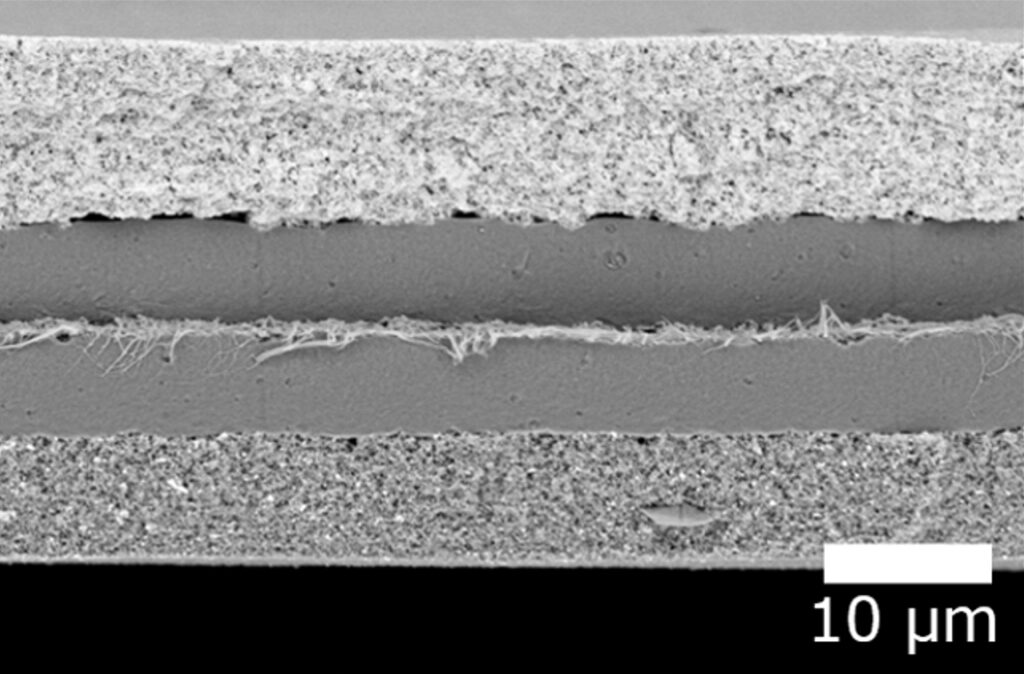
Röntgenmikroskopaufnahmer einer Membran-Elektroden-Einheit (MEA)

grELjet – Graded Catalyst Layers for PEM Electrolyzers

As part of the grELjet project, the ZBT is collaborating with Fraunhofer ENAS to develop spatially resolved, optimised catalyst layers designed to reduce the iridium requirements of PEM electrolysers and increase their efficiency.

Iridium is a particularly scarce and expensive raw material used in the anodes of polymer electrolyte membrane electrolysers. grELjet is investigating how inkjet printing can be used to precisely apply this precious metal exactly where it is most utilised within the electrode.
Stable Catalyst-Based Inks for Inkjet Printing

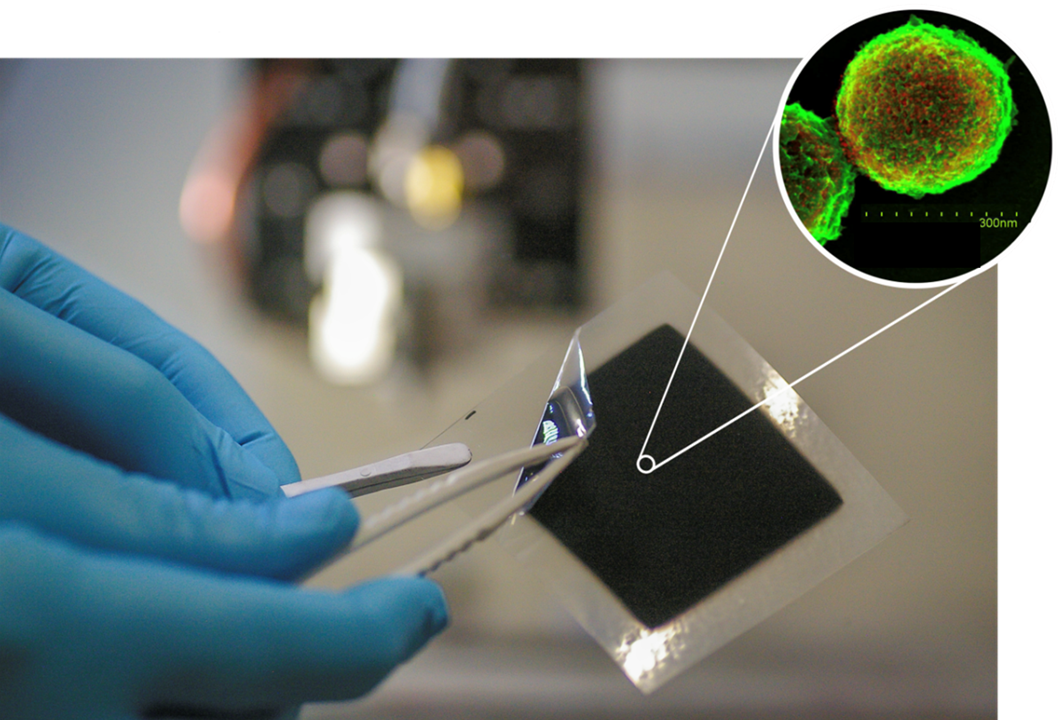
The process is based on stable, printable ink systems consisting of iridium as the active material, an ionomer, and various solvents. The study focuses on ternary systems composed of water, a high-boiling-point solvent such as DMSO or 1,2-ethylene glycol, and N-propanol.

Among other things, the ZBT characterises the stability, viscosity, and other properties of inks that are relevant to inkjet printing. A dedicated tool was developed for systematic experimental design and graphical analysis; this tool can also be applied to other ternary solvent systems and is publicly available via ZBT Tools.

Selected inks have already been scaled up from 10 to 40 milliliters. Fraunhofer ENAS used these inks to fabricate PEM electrolysis anodes with variable catalyst loading via inkjet printing by directly coating the membrane.

Using Iridium in a Targeted and Location-Specific Manner

At the ZBT, the directly coated catalyst membranes are assembled into membrane-electrode assemblies and electrochemically characterised. The initial results are on the same order of magnitude as comparable values reported in the literature and demonstrate the potential of inkjet printing for the production of directly coated membranes.

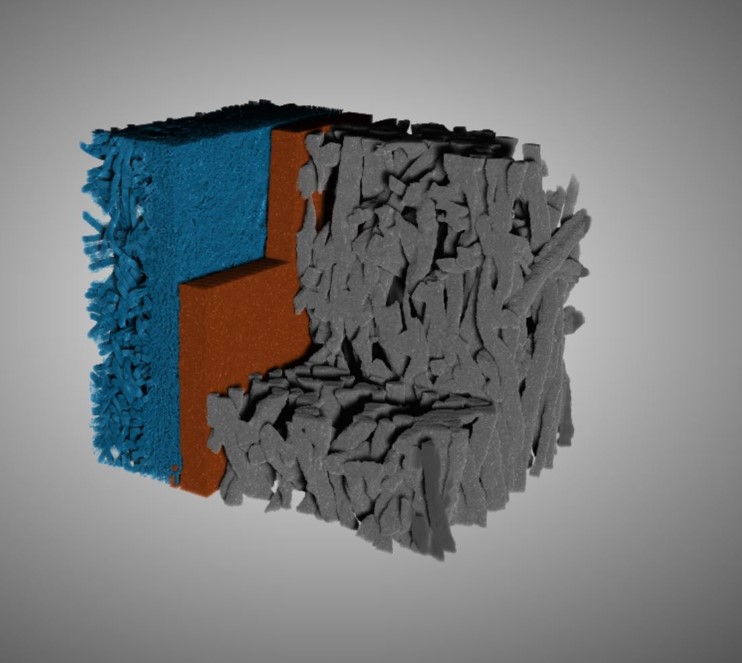
In the next step, the project will develop spatially resolved gradient concepts within the catalyst layer. Simulations will be used to identify areas where different catalyst loadings or layer properties are particularly advantageous. The goal is to use iridium in a more targeted manner without compromising the electrolyser’s performance. In the long term, this approach can help reduce material costs and increase the efficiency of PEM water electrolysis.

Project information

  • Project Acronym: grELjet

  • Project Title: Improving Efficiency and Reducing Costs Through Graded Catalyst Layers for Polymer Electrolyte Membrane Electrolyzers Using Inkjet Printing for Spatially Resolved, Functionally Optimized Precious Metal Deposition
  • Term: 1 December 2025, through 31 May 2028

  • Funding Program: Industrial Collaborative Research (IGF)
  • Grant ID: 01IF24611N
  • Total grant amount: 523 ,426 €

  • Project partners:

    • Fraunhofer Institute for Electronic Nanosystems ENAS

    • ZBT – Zentrum für BrennstoffzelenTechnik, LLC

Contact

Wladimir Philippi
Electrochemical Components
+49 203 7598-3129
Portrait of Wladimir Philippi