Novel nickel electrodes for more efficient AEM electrolysis

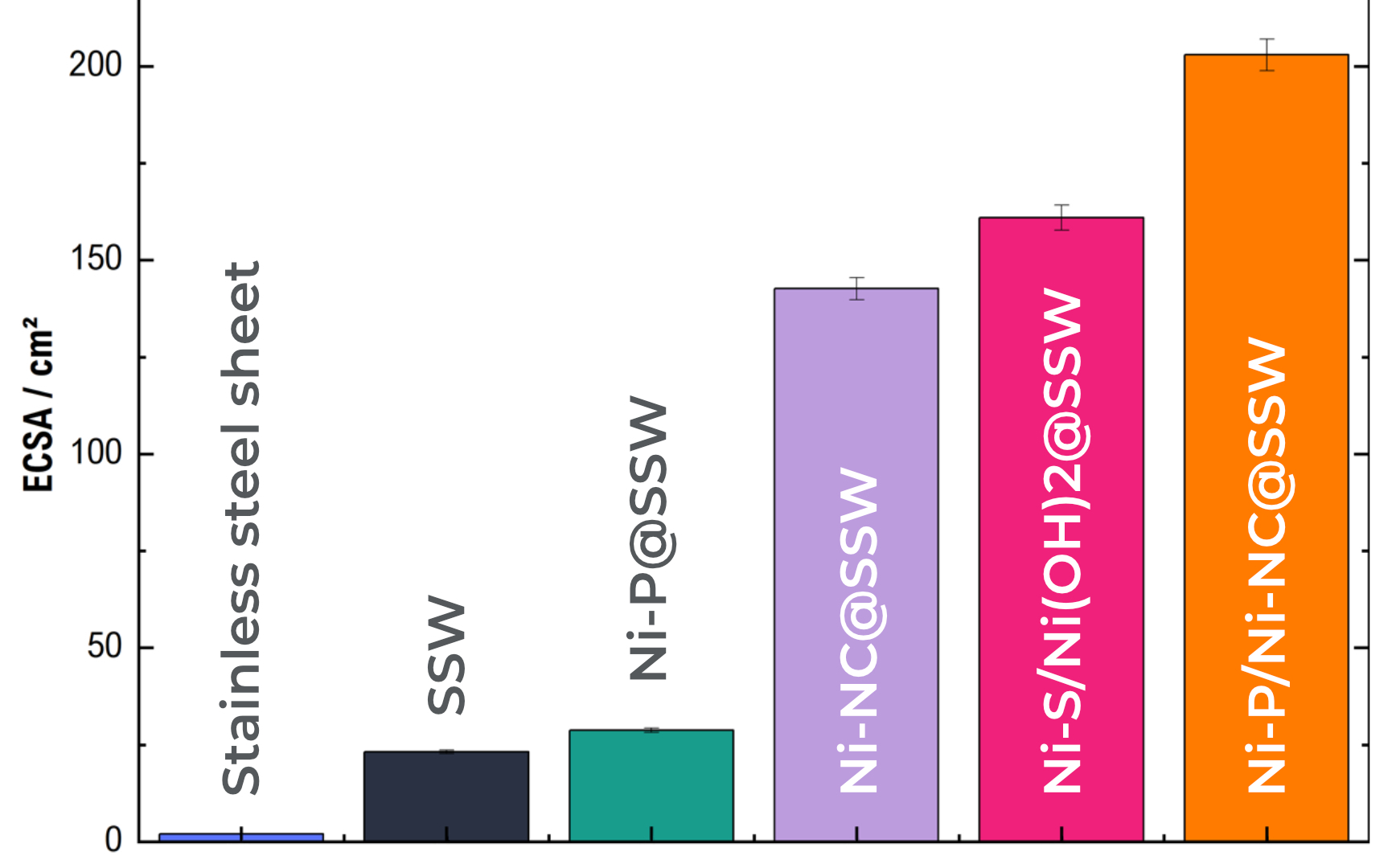
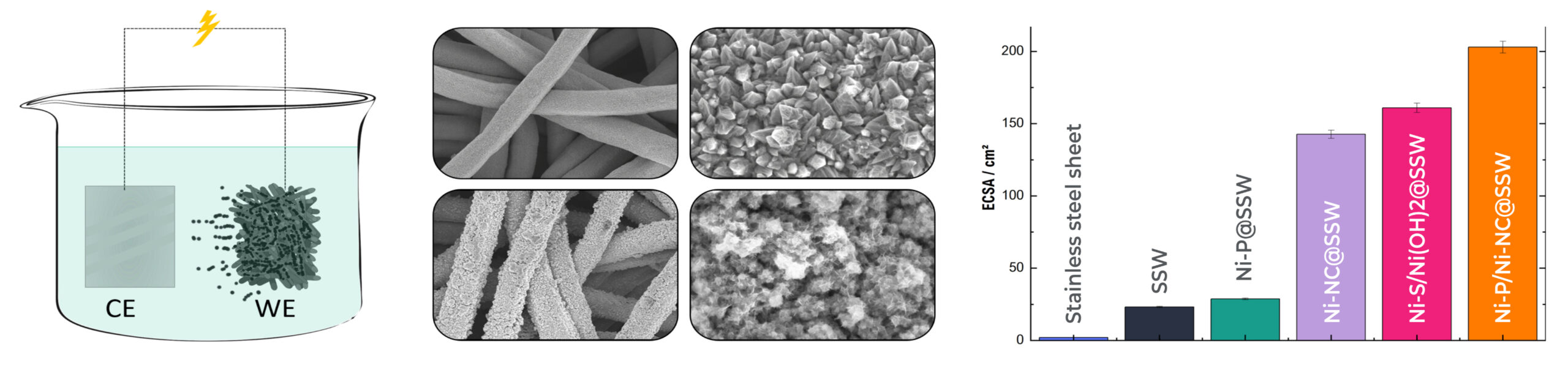
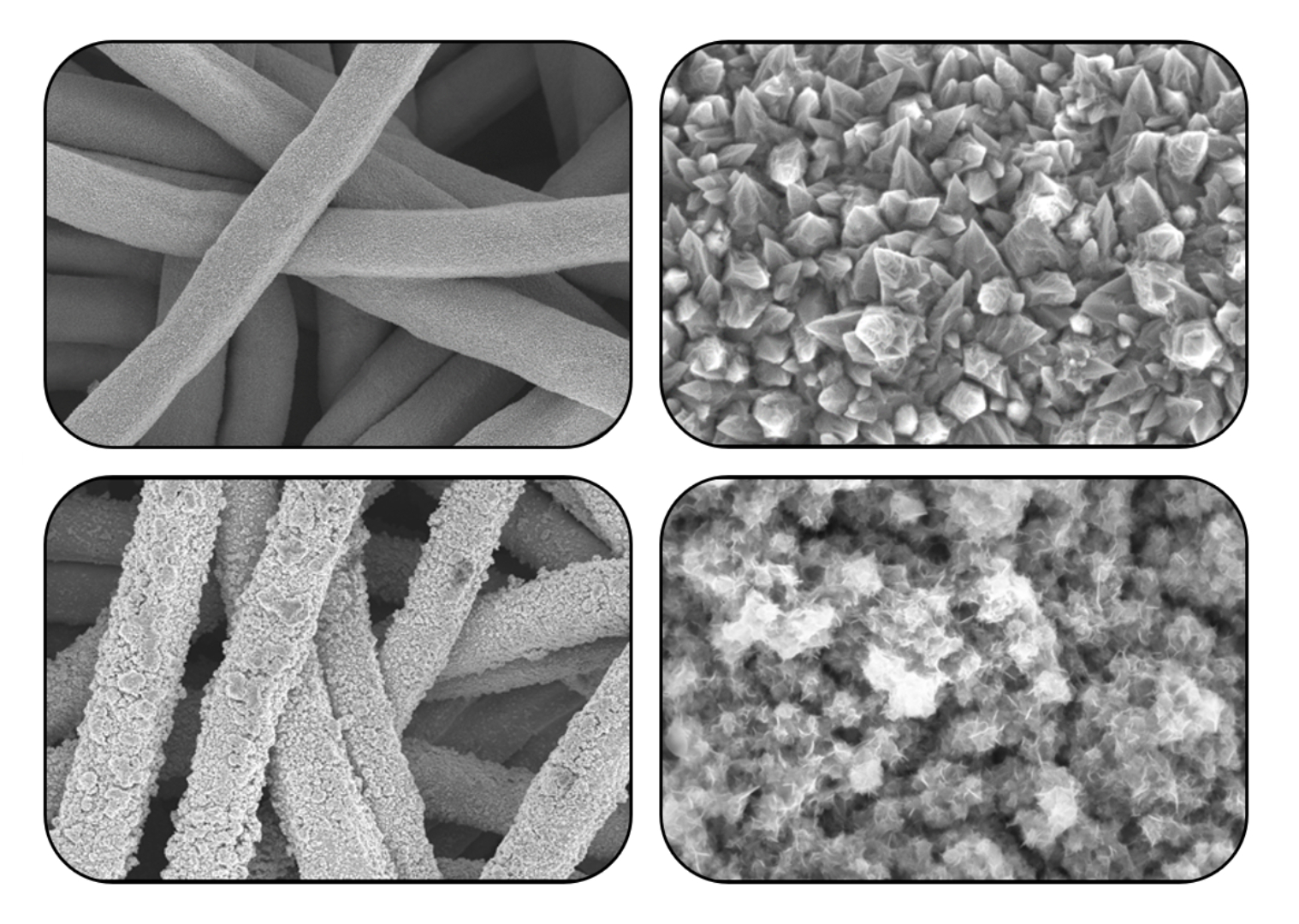
In a recently published study, an interdisciplinary research team from ZBT, the fem Research Institute, and Ruhr University Bochum has developed a novel nickel-based catalyst that significantly increases the efficiency of AEM electrolysis.

Catalysts for AEM electrolysers (anion exchange membrane electrolysers) do not require expensive precious metals. However, there is still room for reducing costs.

Researchers from ZBT, fem Research Institute, and Ruhr University Bochum have made great strides in developing cost-effective and durable anodes for hydrogen production as part of a joint IGF-funded project.

The performance improvement of the newly developed electrodes is based in particular on two key process steps:

  • Targeted integration of non-metallic elements, especially sulfur, into the nickel-based catalyst layers
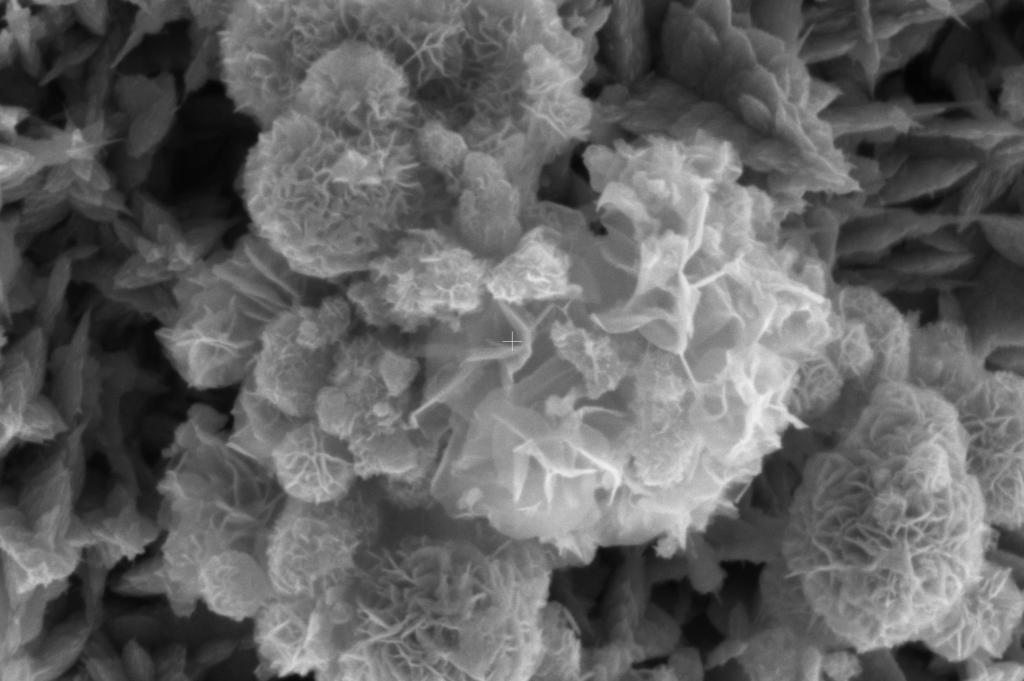
  • Creation of defined nanostructures to increase the active surface area

The results show that the combination of nickel and sulfur creates a particularly active and corrosion-stable surface for oxygen evolution.

The key properties of this material combination are:

  • Active nickel hydroxide and nickel oxide hydroxide phases, which contribute significantly to OER in alkaline media
  • Modification of the electronic structure of nickel by sulfur, which improves the adsorption of oxygen intermediates

This results in low overpotentials for OER and higher current densities.
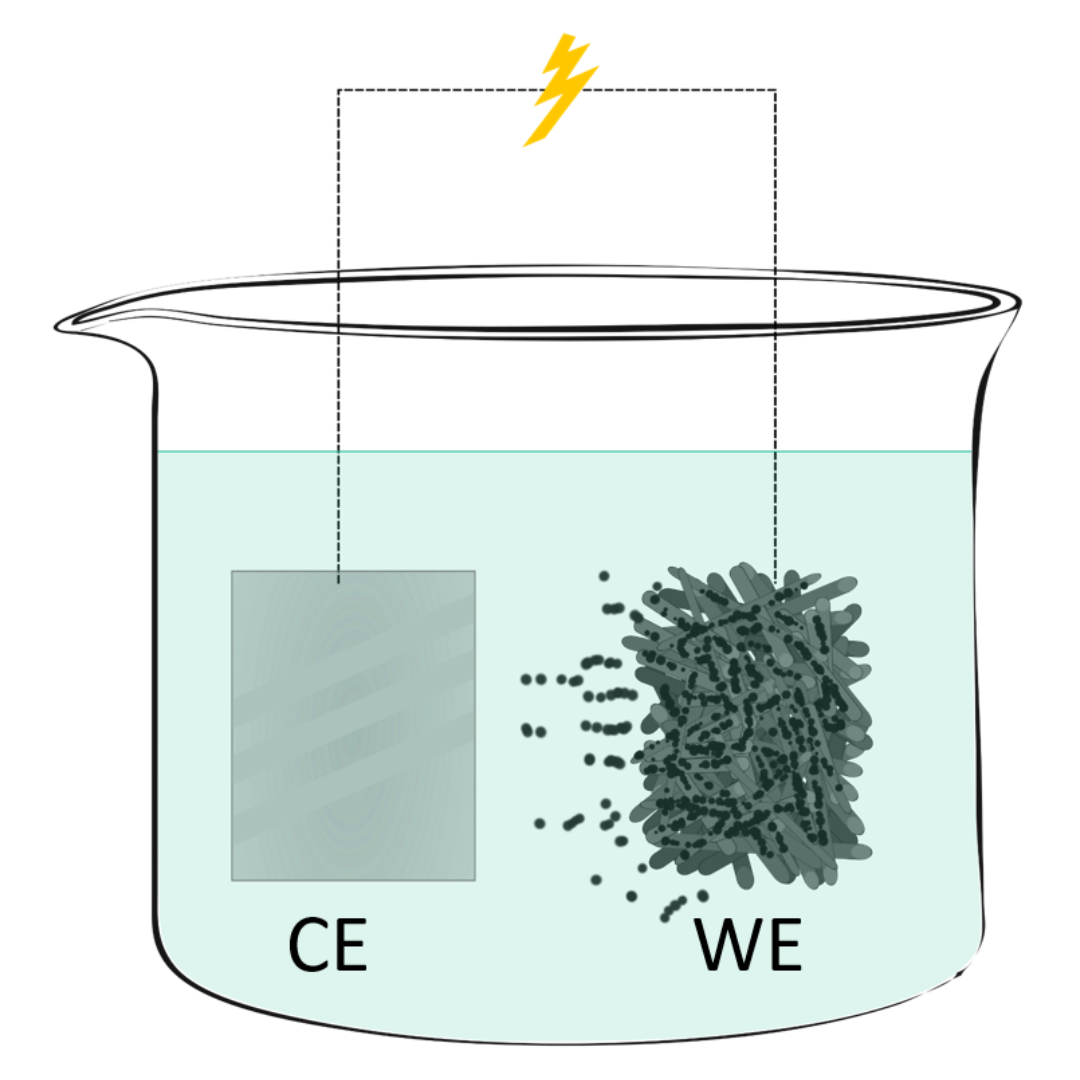
The key innovation lies in electrochemical deposition. This process allows precise control of the composition and structure of the catalyst layer. At the same time, the process is scalable and therefore suitable for industrial applications.

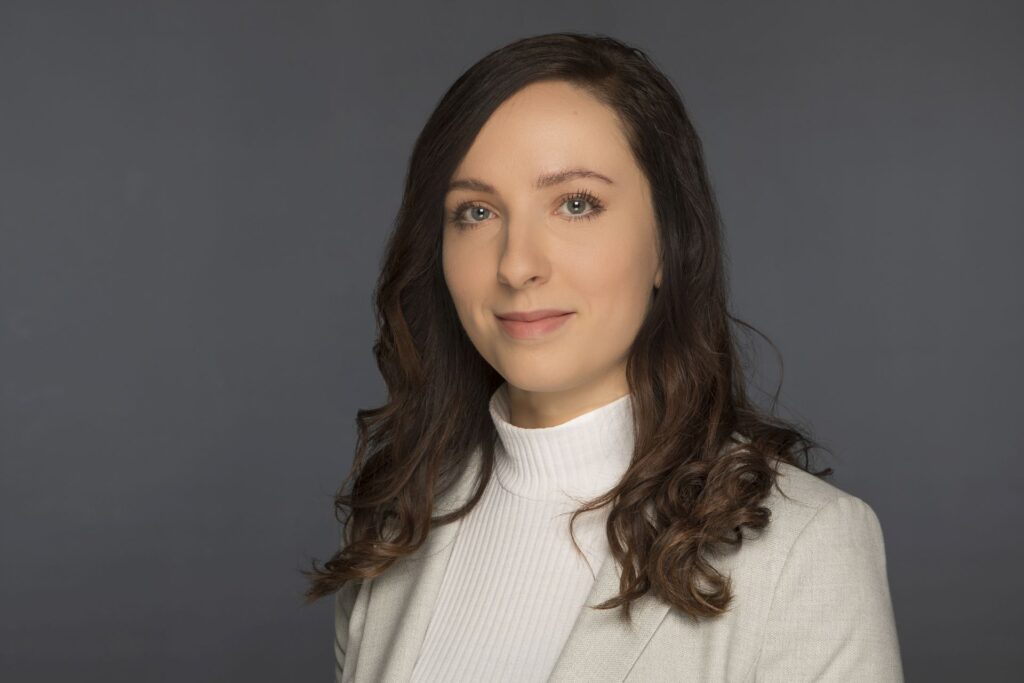
“While laboratory research has produced many promising materials in recent years, the current challenge is to translate these concepts into practical electrolysis applications and test their performance and stability under realistic operating conditions,” explains Miriam Hesse, doctoral student at ZBT and co-author of the publication. “With this study, we have now taken a big step forward.”

Special thanks go to co-authors Mila Manolova (fem), Jonas Lieb (fem), Ivan Radev (ZBT), Dr Şeniz Sörgel (fem), Prof. Dr Holger Kaßner (fem), Thomas Ernst Müller (Ruhr University Bochum) and Prof. Dr Ulf-Peter Apfel (Ruhr University Bochum).
Study data

Title of the study
Enhancing anion exchange membrane water electrolysis: A study of electrodeposited nickel-based anode materials

Authors
M. Manolova, M. Hesse, J. Lieb, I. Radev, Ş. Sörgel, H. Kaßner, T. E. Müller, U.-P. Apfel

Published in the International Journal of Hydrogen Energy
https://doi.org/10.1016/j.ijhydene.2025.151511 (available free of charge)

IGF project number
01IF 22519 N

Funding information
Funded by the Industrielle Gemeinschaftsforschung (IGF). Thank you very much for your support!

Media

Contact

Doctoral student and co-author of the study

Miriam Hesse
+49 203 7598-3131
Portrait einer jungen, dunkelhaarigen Frau

More news